
Langtang Valley Trek to Kyanjin Gompa: 10–12 Day Himalayan Lodge Trek
Hike through rhododendron forests, Tamang villages and glacier-fed valleys on the Langtang Valley Trek to Kyanjin Gompa. This 10–12 day lodge trek pairs dramatic Himalayan views with close cultural encounters and accessible high-altitude hiking.
An Adventure In Kathmandu.
Hike through rhododendron forests, Tamang villages and glacier-fed valleys on the Langtang Valley Trek to Kyanjin Gompa. This 10–12 day lodge trek pairs dramatic Himalayan views with close cultural encounters and accessible high-altitude hiking.
Read the full experience
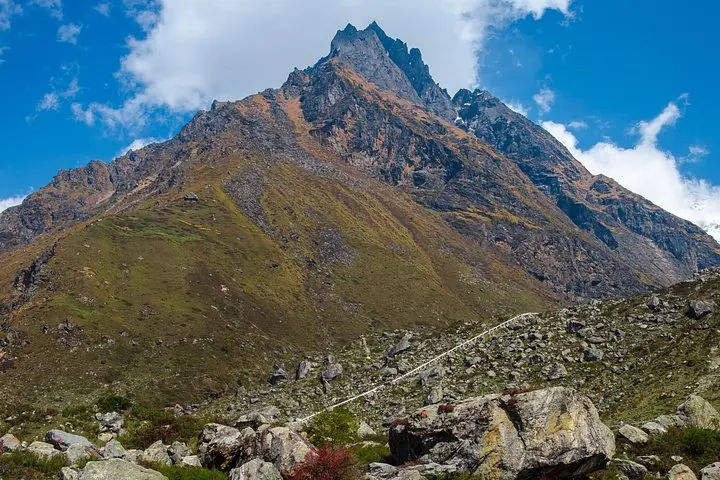
You round a final bend and the valley opens: a ribbon of river, prayer flags rattling like small bells, and the jagged face of Langtang Lirung pushing skyward. The air thins and the smell of yak butter and wood smoke replaces the city’s dust; you feel the valley pulling you into an older rhythm.
You round a final bend and the valley opens: a ribbon of river, prayer flags rattling like small bells, and the jagged face of Langtang Lirung pushing skyward. The air thins and the smell of yak butter and wood smoke replaces the city’s dust; you feel the valley pulling you into an older rhythm.
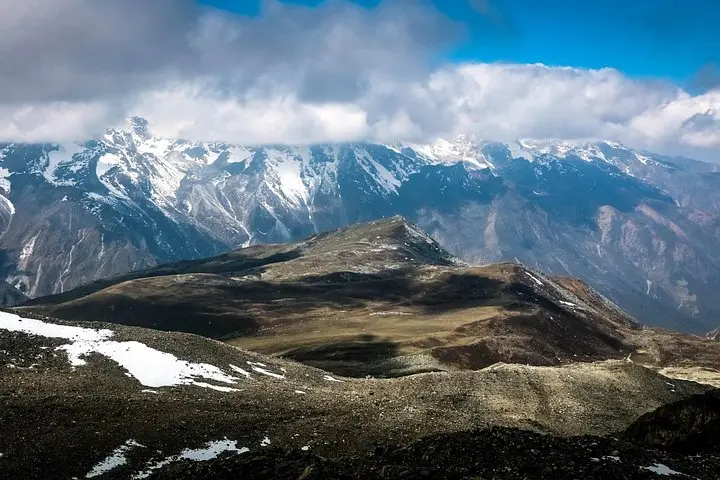
The Langtang Valley sits on the northern flank of central Nepal’s Himalaya, carved by glaciers and dotted with terraced fields and pine forest. Tamang and Sherpa communities here follow Tibetan-influenced customs; monasteries and mani walls mark the route. Geologically the range is young and steep, with moraine tongues and glacier-fed streams that shaped the walkable cols and meadows you cross. The valley also carries recent history: settlements were heavily impacted in the 2015 earthquake and many villages have been rebuilt with resilient lodge-based tourism.
Practically, expect a mix of steady ascents, forest tracks, river crossings, and alpine meadows. Daily hikes range from 3–7 hours; the toughest gains come approaching Langtang Village and on the climb to Kyanjin. Permits (TIMS and Langtang National Park) and a licensed guide are standard. Accommodation is local lodges with simple meals—yak cheese in Kyanjin is a highlight. Altitude awareness matters; plan for a rest day and an optional scramble to Tserko Ri for panoramic glacier views.
Bring layered clothing, sturdy boots, and a small first-aid kit. Start in Kathmandu, aim for spring or autumn for stable weather, and budget extra time for the 6–9 hour jeep approach and return. The trek balances cultural contact, high-mountain scenery, and hands-on logistics—rewarding for hikers ready to trade comfort for close-up Himalayan life.
Frequently asked questions
Yes—TIMS and Langtang National Park permits are required and usually arranged by your operator or guide.
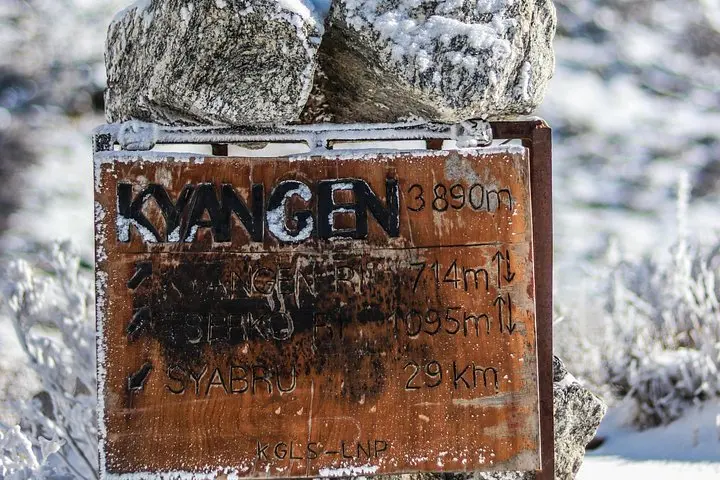
Highest typical overnight is around Kyanjin (~3,870 m); altitude effects vary—plan rest days, ascend slowly and watch for symptoms of AMS.
Lodges are basic but clean, offering shared rooms, hot meals, and communal dining; expect squat or western toilets depending on the stop.
Yes, but solo trekkers commonly hire a guide for navigation, permits, and altitude safety; porters can be arranged for heavier packs.
About This Experience
Asian Heritage Treks and Travels operates guided outdoor trips and adventures with an emphasis on safety, stewardship, and memorable experiences.
Adventure tips
Recommended gear
- Sturdy waterproof trekking boots: Support and traction for steep, often muddy trails and rocky streams.
- Layered clothing system (base, insulating, shell): Temperature and weather can change quickly from valley to alpine zones.
- Trekking poles: Reduce impact on knees and assist balance on uneven descents and river crossings.
- Water purification (tablets or filter): Refill from streams—filtering reduces weight versus carrying all drinking water.
Photos of the experience
Related adventures & guides
Read the full experience
You round a final bend and the valley opens: a ribbon of river, prayer flags rattling like small bells, and the jagged face of Langtang Lirung pushing skyward. The air thins and the smell of yak butter and wood smoke replaces the city’s dust; you feel the valley pulling you into an older rhythm.
You round a final bend and the valley opens: a ribbon of river, prayer flags rattling like small bells, and the jagged face of Langtang Lirung pushing skyward. The air thins and the smell of yak butter and wood smoke replaces the city’s dust; you feel the valley pulling you into an older rhythm.
The Langtang Valley sits on the northern flank of central Nepal’s Himalaya, carved by glaciers and dotted with terraced fields and pine forest. Tamang and Sherpa communities here follow Tibetan-influenced customs; monasteries and mani walls mark the route. Geologically the range is young and steep, with moraine tongues and glacier-fed streams that shaped the walkable cols and meadows you cross. The valley also carries recent history: settlements were heavily impacted in the 2015 earthquake and many villages have been rebuilt with resilient lodge-based tourism.
Practically, expect a mix of steady ascents, forest tracks, river crossings, and alpine meadows. Daily hikes range from 3–7 hours; the toughest gains come approaching Langtang Village and on the climb to Kyanjin. Permits (TIMS and Langtang National Park) and a licensed guide are standard. Accommodation is local lodges with simple meals—yak cheese in Kyanjin is a highlight. Altitude awareness matters; plan for a rest day and an optional scramble to Tserko Ri for panoramic glacier views.
Bring layered clothing, sturdy boots, and a small first-aid kit. Start in Kathmandu, aim for spring or autumn for stable weather, and budget extra time for the 6–9 hour jeep approach and return. The trek balances cultural contact, high-mountain scenery, and hands-on logistics—rewarding for hikers ready to trade comfort for close-up Himalayan life.
Make a day of it nearby.
Verified experiences and guided adventures in the surrounding area.