THE ADVENTURE COLLECTIVE® · Independent discovery and booking for outdoor travel

A steady climb from Syabrubesi to Kyangjin Gompa takes you into the high bowls of the Langtang Range where tea houses, Tibetan-influenced culture and a pre-dawn scramble up Tserko Ri deliver sunrise views. This 8–9 day trek blends accessible high-altitude hiking with meaningful cultural encounters.
A steady climb from Syabrubesi to Kyangjin Gompa takes you into the high bowls of the Langtang Range where tea houses, Tibetan-influenced culture and a pre-dawn scramble up Tserko Ri deliver sunrise views. This 8–9 day trek blends accessible high-altitude hiking with meaningful cultural encounters.
You step off the jeep in Syabrubesi with a river’s voice still in your ears and a slope of rhododendron above you — the trail immediately pushes upward, alternating forested switchbacks and open terraces. Over the next days the valley tightens; Langtang Khola corrals the route, occasional mani walls mark Tamang prayer, and the peaks of Langtang Lirung and Ganesh Himal loom like slow-moving weather.
Verified experiences and guided adventures in the surrounding area.
Operated by Accessible Adventure Pvt. Ltd · Syabrubesi, Bagmati Province
You step off the jeep in Syabrubesi with a river’s voice still in your ears and a slope of rhododendron above you — the trail immediately pushes upward, alternating forested switchbacks and open terraces. Over the next days the valley tightens; Langtang Khola corrals the route, occasional mani walls mark Tamang prayer, and the peaks of Langtang Lirung and Ganesh Himal loom like slow-moving weather.
Geologically the valley is carved by glaciers and river incision, with moraines and steep flanks that reveal young Himalayan uplift. Langtang was historically a trans-Himalayan trade corridor with Tibet; that influence shows in gompas, butter lamps and yak cheese production in Kyangjin. The 2015 earthquake drastically reshaped settlements here — much of Langtang village was rebuilt, and the route now mixes new teahouses with older stonework.
Expect 6–8 hour walking days through mixed trail: forested singletrack, river crossings on wooden bridges, and exposed high pasture approaching Kyangjin Gompa (3,798 m). Tserko Ri (≈4,300 m) is a steep, rocky outcrop often climbed pre-dawn for sunrise; frost and loose scree are common. Acclimatization matters — take rest, hydrate, and use your extra day options (Mundu, Kyangjin Ri) to adapt.
Practical notes: permits and TIMS are required, tea-house lodging is standard, and porters can halve your load. Pack layered insulation, a reliable water-treatment method, and footwear with confident ankle support. Spring and autumn bring the clearest views; winter adds hard cold, and monsoon months make landslides more likely. Walk conservatively, respect local customs, and leave no trace — the valley’s recovery is ongoing, and your footprint matters.
challenging.
8–9 days.
Good aerobic fitness and experience with multi-day uphill hiking; ability to handle daily 5–8 hour walks with pack or porter support.
Yes — a TIMS card and Langtang National Park entry permit are required; operators typically arrange permits but carry ID and payment.
Tserko Ri is a steep 1–2 hour ascent from Kyangjin with loose rock near the top; it’s non-technical but requires good footing and acclimatization.
Yes — guides and porters are widely available; common ratio is one porter per two trekkers, and hiring through a registered operator helps ensure fair wages and permits.
Basic guesthouses offering dorm or twin rooms, shared bathrooms, and set meals; expect simple hot showers (limited) and indoor drying spaces for wet gear.
Langtang was a historic trade corridor with Tibet; local Tamang and Tibetan-Bhote cultural threads remain visible in monasteries, prayer flags and yak-based livelihoods.
Langtang National Park is actively managing trekking impact; use reusable bottles, pack out waste where possible, and respect local grazing lands to limit erosion.
Accessible Adventure Pvt. Ltd operates guided outdoor trips and adventures with an emphasis on safety, stewardship, and memorable experiences.
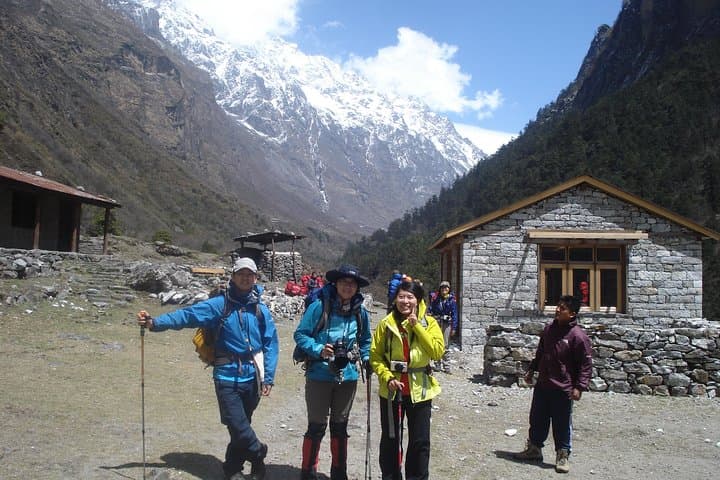
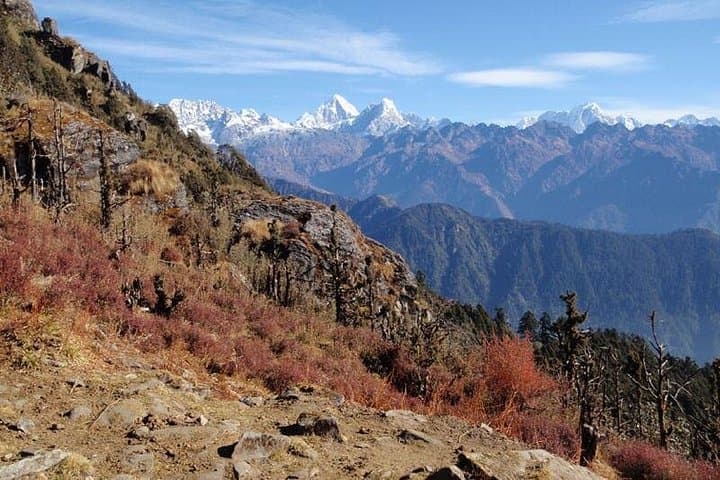
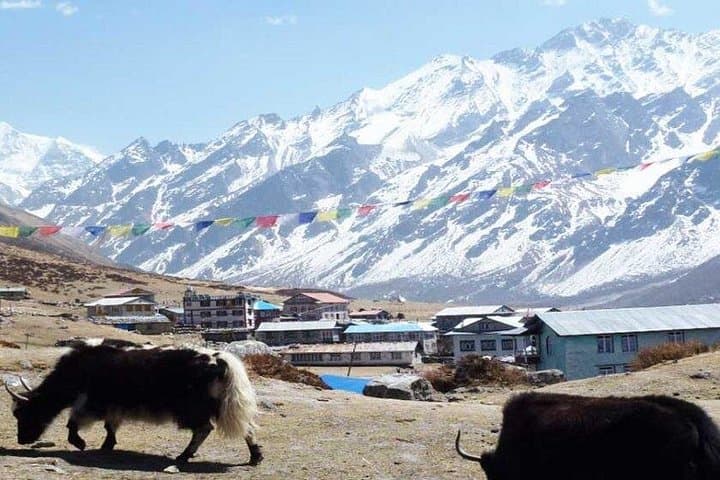
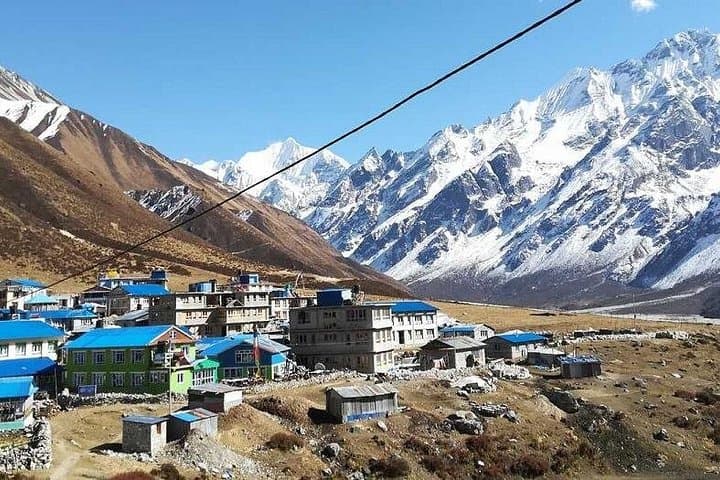
You step off the jeep in Syabrubesi with a river’s voice still in your ears and a slope of rhododendron above you — the trail immediately pushes upward, alternating forested switchbacks and open terraces. Over the next days the valley tightens; Langtang Khola corrals the route, occasional mani walls mark Tamang prayer, and the peaks of Langtang Lirung and Ganesh Himal loom like slow-moving weather.
You step off the jeep in Syabrubesi with a river’s voice still in your ears and a slope of rhododendron above you — the trail immediately pushes upward, alternating forested switchbacks and open terraces. Over the next days the valley tightens; Langtang Khola corrals the route, occasional mani walls mark Tamang prayer, and the peaks of Langtang Lirung and Ganesh Himal loom like slow-moving weather.
Geologically the valley is carved by glaciers and river incision, with moraines and steep flanks that reveal young Himalayan uplift. Langtang was historically a trans-Himalayan trade corridor with Tibet; that influence shows in gompas, butter lamps and yak cheese production in Kyangjin. The 2015 earthquake drastically reshaped settlements here — much of Langtang village was rebuilt, and the route now mixes new teahouses with older stonework.
Expect 6–8 hour walking days through mixed trail: forested singletrack, river crossings on wooden bridges, and exposed high pasture approaching Kyangjin Gompa (3,798 m). Tserko Ri (≈4,300 m) is a steep, rocky outcrop often climbed pre-dawn for sunrise; frost and loose scree are common. Acclimatization matters — take rest, hydrate, and use your extra day options (Mundu, Kyangjin Ri) to adapt.
Practical notes: permits and TIMS are required, tea-house lodging is standard, and porters can halve your load. Pack layered insulation, a reliable water-treatment method, and footwear with confident ankle support. Spring and autumn bring the clearest views; winter adds hard cold, and monsoon months make landslides more likely. Walk conservatively, respect local customs, and leave no trace — the valley’s recovery is ongoing, and your footprint matters.