THE ADVENTURE COLLECTIVE® · Independent discovery and booking for outdoor travel

An 8‑day trek into the Langtang Valley leads from Syabrubesi into Tamang villages, alpine meadows and Kyanjin Gompa, with a summit push to Tsergo Ri for panoramic views. Expect lodge stays, river crossings and one high‑altitude day—ideal for trekkers seeking culture and big‑mountain scenery.
An 8‑day trek into the Langtang Valley leads from Syabrubesi into Tamang villages, alpine meadows and Kyanjin Gompa, with a summit push to Tsergo Ri for panoramic views. Expect lodge stays, river crossings and one high‑altitude day—ideal for trekkers seeking culture and big‑mountain scenery.
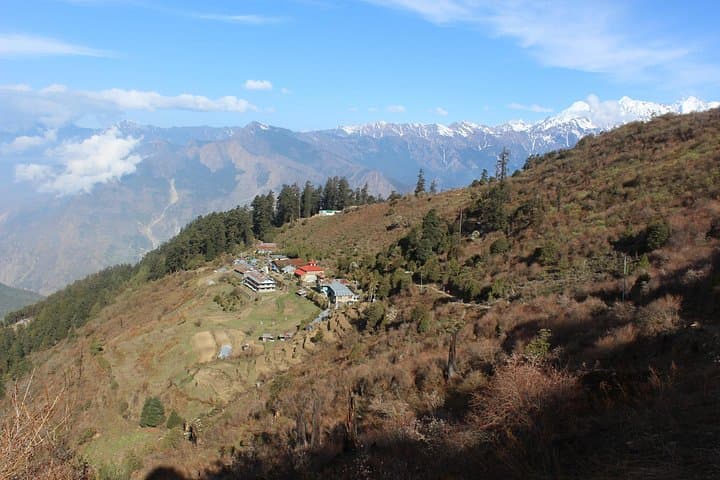
You step out of the jeep at Syabrubesi and the valley inhales around you: a river hammers at boulders, rhododendron trunks lean into the trail, and peaks like Langtang Lirung pierce the blue above the tree line.
Verified experiences and guided adventures in the surrounding area.
Operated by Alpinist Club · Kyanjin Gompa, Bagmati Province
You step out of the jeep at Syabrubesi and the valley inhales around you: a river hammers at boulders, rhododendron trunks lean into the trail, and peaks like Langtang Lirung pierce the blue above the tree line.
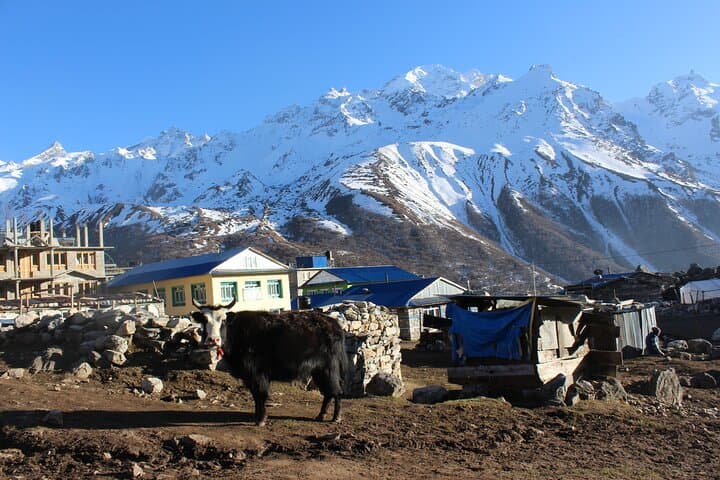
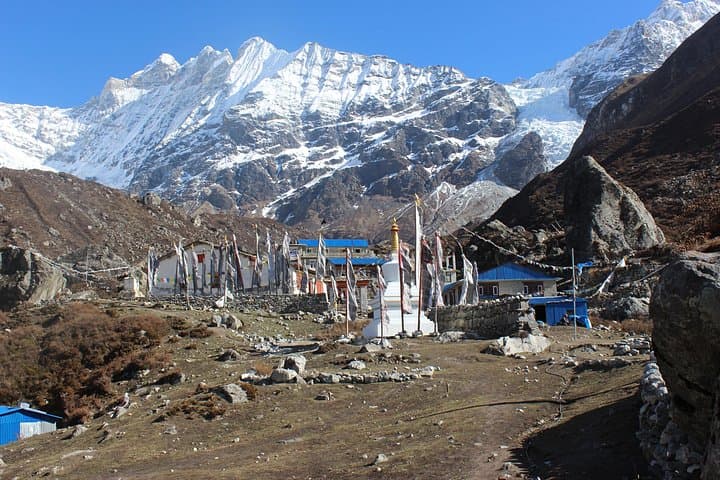
The route follows the Langtang Khola through mixed oak and bamboo forests into Tamang villages where flat‑roofed houses and prayer walls mark a Tibetan-influenced culture. Geologically, the valley is a steep glacial carve—moraines, polished boulders and active streams tell of recent ice flow and ongoing uplift where sedimentary and metamorphic rocks meet jagged granite spires.
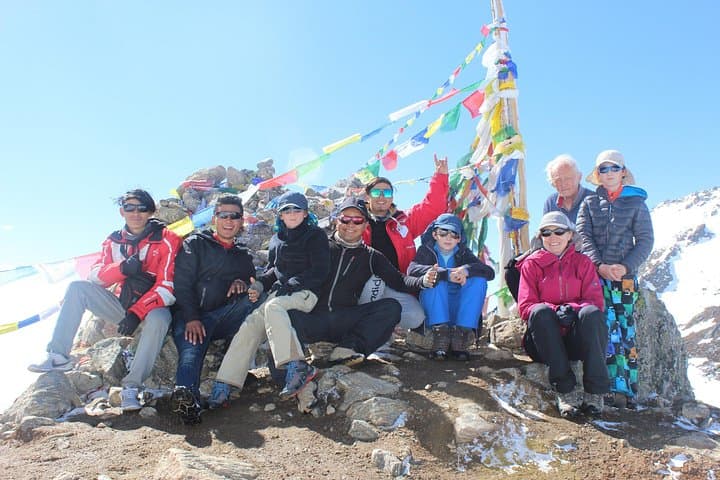
Kyanjin Gompa sits at the heart of local life: a gompa, small cheese dairy and teahouses fuel conversations about Buddhism and the 2015 earthquake that reshaped trails and rebuilt communities. Higher up, Tsergo Ri rewards the day’s effort with a wide, uncompromising panorama of Langtang, Ganesh and distant Himalayan giants.
Practically, expect 5–7 hours of walking on most days, steady uphill grades, and one strenuous day to Tsergo Ri (approx. 5000 m). Lodges provide twin-share rooms and basic hot meals, but nights cool quickly—sleeping layers and altitude awareness are essential. Guides handle permits and logistics; acclimatize by pacing your ascent, drinking frequently, and watching for headaches or breathlessness.
This itinerary balances cultural contact and alpine exposure: plan sturdy footwear, a warm down layer, and sun protection. Start early to avoid afternoon clouds and give yourself time at Kyanjin for optional side trips—cheese tasting, short peaks or moraine walks are the local rewards.
challenging.
8 days.
Good aerobic fitness with experience on multiday hikes; comfortable with sustained uphill and high‑altitude days
Yes—Langtang National Park permits and TIMS (Trekkers' Information Management System) registration are required; guides typically handle arrangements.
Tsergo Ri is a long, high day with scree and boulder sections; it's non‑technical but demanding due to altitude—allow extra time and pace conservatively.
Accommodation is in twin‑share guesthouses or lodges with simple hot meals and basic facilities; expect shared bathrooms and limited hot water at higher elevations.
Spring and autumn offer the clearest views and stable weather; winter is cold with snow at higher passes, while summer brings monsoon clouds.
Langtang Valley has long been inhabited by Tamang communities with Tibetan cultural ties; the 2015 earthquake caused major damage but also catalyzed rebuilding led by local initiatives.
Langtang National Park enforces permits and aims to limit waste; support local teahouses, avoid single‑use plastics, and pack out non‑biodegradable trash.
Alpinist Club operates guided outdoor trips and adventures with an emphasis on safety, stewardship, and memorable experiences.
You step out of the jeep at Syabrubesi and the valley inhales around you: a river hammers at boulders, rhododendron trunks lean into the trail, and peaks like Langtang Lirung pierce the blue above the tree line.
You step out of the jeep at Syabrubesi and the valley inhales around you: a river hammers at boulders, rhododendron trunks lean into the trail, and peaks like Langtang Lirung pierce the blue above the tree line.
The route follows the Langtang Khola through mixed oak and bamboo forests into Tamang villages where flat‑roofed houses and prayer walls mark a Tibetan-influenced culture. Geologically, the valley is a steep glacial carve—moraines, polished boulders and active streams tell of recent ice flow and ongoing uplift where sedimentary and metamorphic rocks meet jagged granite spires.
Kyanjin Gompa sits at the heart of local life: a gompa, small cheese dairy and teahouses fuel conversations about Buddhism and the 2015 earthquake that reshaped trails and rebuilt communities. Higher up, Tsergo Ri rewards the day’s effort with a wide, uncompromising panorama of Langtang, Ganesh and distant Himalayan giants.
Practically, expect 5–7 hours of walking on most days, steady uphill grades, and one strenuous day to Tsergo Ri (approx. 5000 m). Lodges provide twin-share rooms and basic hot meals, but nights cool quickly—sleeping layers and altitude awareness are essential. Guides handle permits and logistics; acclimatize by pacing your ascent, drinking frequently, and watching for headaches or breathlessness.
This itinerary balances cultural contact and alpine exposure: plan sturdy footwear, a warm down layer, and sun protection. Start early to avoid afternoon clouds and give yourself time at Kyanjin for optional side trips—cheese tasting, short peaks or moraine walks are the local rewards.