THE ADVENTURE COLLECTIVE® · Independent discovery and booking for outdoor travel

An 8-day lodge trek from Kathmandu to Kyanjin Gompa, the Langtang Valley offers close-range Himalayan views, Tamang culture, and accessible high-altitude hiking. Expect village teahouses, moraine-scoured landscapes, and a summit day to Tserko Ri.
An 8-day lodge trek from Kathmandu to Kyanjin Gompa, the Langtang Valley offers close-range Himalayan views, Tamang culture, and accessible high-altitude hiking. Expect village teahouses, moraine-scoured landscapes, and a summit day to Tserko Ri.
The trail opens like a page of folded rock and river: early light on the Prithvi Highway, roadside tea stalls blurring past, then a suspension bridge and the valley narrowing into pine-shaded switchbacks.
Verified experiences and guided adventures in the surrounding area.
Operated by Nepal Social Treks and Expedition · Syabrubesi, Bagmati Province
The trail opens like a page of folded rock and river: early light on the Prithvi Highway, roadside tea stalls blurring past, then a suspension bridge and the valley narrowing into pine-shaded switchbacks.
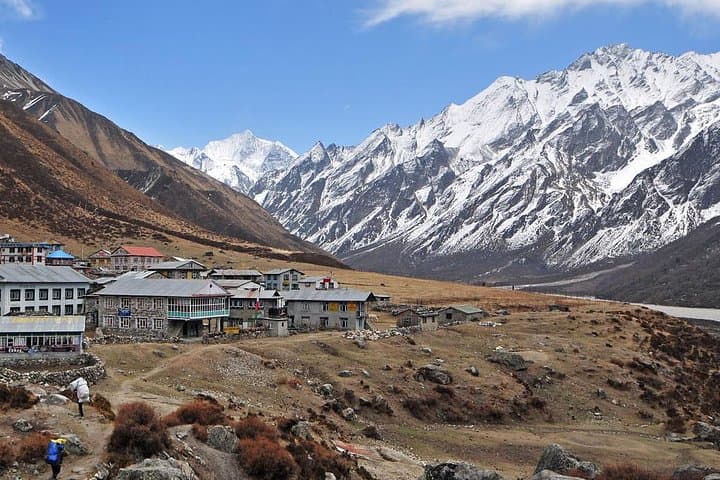
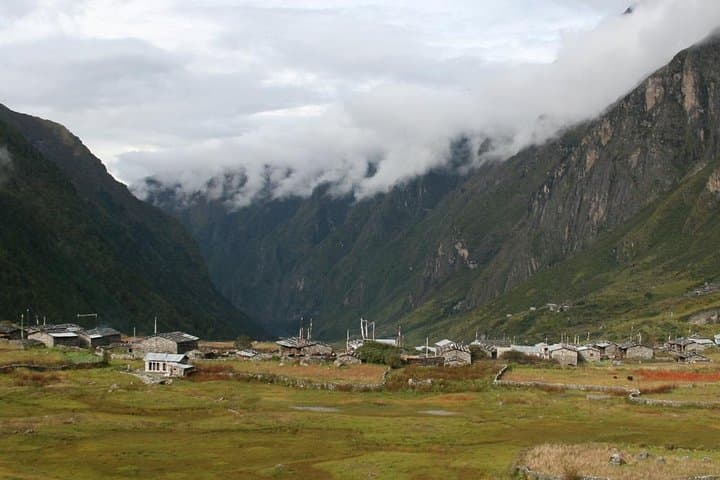
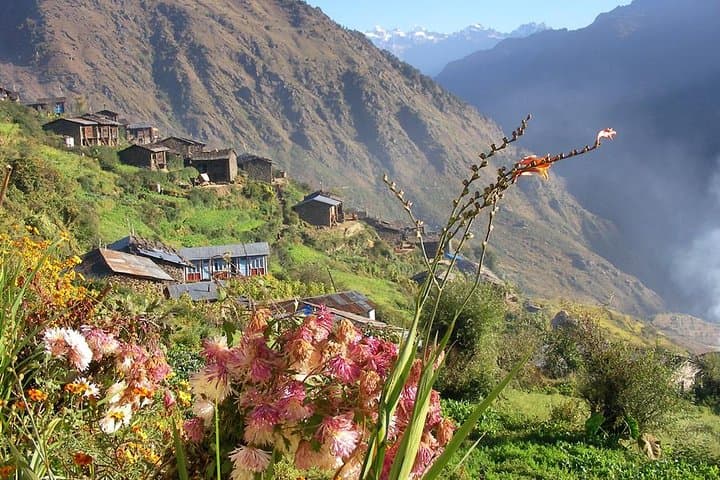
Langtang feels alive underfoot — Langtang Khola daring you up-valley while rhododendron and oak throw cool shade. The route climbs village to village: Syabrubesi’s busy bazaar, Lama Hotel’s teahouses, Langtang’s rebuilt stone homes, and finally Kyanjin Gompa with its prayer flags and yak pastures. Geologically the valley is young — carved by glaciers and fed by the Langtang Lirung massif — so expect stony terraces, moraine ridges and broad alpine bowls like Langshisha Kharka.
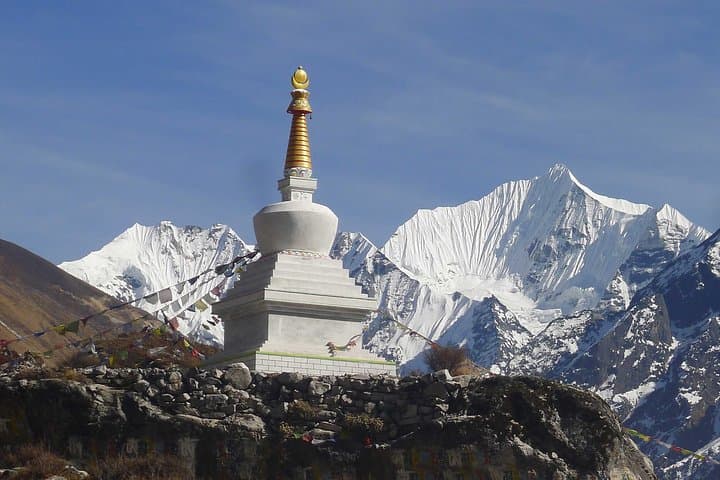
Culturally the trail threads Tamang villages and Himalayan Buddhist monasteries; cheese-making and prayer wheels are everyday rhythms. The 2015 earthquake reshaped communities here, and reconstruction is visible in newer lodges and restored gompas.
Practically: this is an 8-day, multi-day lodge trek reaching Tserko Ri at nearly 5,000 m; weather shifts fast and altitude is the chief challenge. Pace your ascent, carry water and layers, and budget daylight for summit days. Lodges provide basic meals and beds, and permits are required inside Langtang National Park. Expect uneven stone steps, short steep pitches, and long descents on return days.
For planners: fly or drive into Kathmandu, allow two days buffer for acclimatization or delays, and bring a warm sleeping bag even if one is provided. The valley rewards steady effort with panoramic Himalayan rims, intimate village encounters, and a sense of walking through geology and living culture.
challenging.
7–8 days.
Be in good aerobic condition with experience on multi-day hikes and the ability to hike 5–7 hours at altitude.
Yes — Langtang National Park entry permit and a TIMS card are required; operators usually arrange these before the trek.
Tserko Ri reaches ~4,900–5,000 m and involves a steep, rocky climb; allow a full day, good weather, and proper acclimatization.
Teahouses are basic but functional: simple beds, shared bathrooms in many places, and hot meals available; expect variable heating and charge-for-charging devices.
Spring and autumn offer the most stable weather and clearer mountain views, though each season has trade-offs in crowds and conditions.
The valley is home to Tamang communities and Buddhist monasteries; many villages were rebuilt after the 2015 earthquake that altered local architecture and infrastructure.
Langtang sits inside a national park—stick to trails, pack out waste when possible, and avoid single-use plastics to reduce pressure on fragile alpine systems.
Nepal Social Treks and Expedition operates guided outdoor trips and adventures with an emphasis on safety, stewardship, and memorable experiences.
The trail opens like a page of folded rock and river: early light on the Prithvi Highway, roadside tea stalls blurring past, then a suspension bridge and the valley narrowing into pine-shaded switchbacks.
The trail opens like a page of folded rock and river: early light on the Prithvi Highway, roadside tea stalls blurring past, then a suspension bridge and the valley narrowing into pine-shaded switchbacks.
Langtang feels alive underfoot — Langtang Khola daring you up-valley while rhododendron and oak throw cool shade. The route climbs village to village: Syabrubesi’s busy bazaar, Lama Hotel’s teahouses, Langtang’s rebuilt stone homes, and finally Kyanjin Gompa with its prayer flags and yak pastures. Geologically the valley is young — carved by glaciers and fed by the Langtang Lirung massif — so expect stony terraces, moraine ridges and broad alpine bowls like Langshisha Kharka.
Culturally the trail threads Tamang villages and Himalayan Buddhist monasteries; cheese-making and prayer wheels are everyday rhythms. The 2015 earthquake reshaped communities here, and reconstruction is visible in newer lodges and restored gompas.
Practically: this is an 8-day, multi-day lodge trek reaching Tserko Ri at nearly 5,000 m; weather shifts fast and altitude is the chief challenge. Pace your ascent, carry water and layers, and budget daylight for summit days. Lodges provide basic meals and beds, and permits are required inside Langtang National Park. Expect uneven stone steps, short steep pitches, and long descents on return days.
For planners: fly or drive into Kathmandu, allow two days buffer for acclimatization or delays, and bring a warm sleeping bag even if one is provided. The valley rewards steady effort with panoramic Himalayan rims, intimate village encounters, and a sense of walking through geology and living culture.