THE ADVENTURE COLLECTIVE® · Independent discovery and booking for outdoor travel

An 8-day teahouse trek from Kathmandu into Langtang Valley, combining alpine vistas, Tamang culture and a summit push to Tserko Ri. Ideal for trekkers seeking high Himalayan scenery with comfortable lodges and community-focused travel.
An 8-day teahouse trek from Kathmandu into Langtang Valley, combining alpine vistas, Tamang culture and a summit push to Tserko Ri. Ideal for trekkers seeking high Himalayan scenery with comfortable lodges and community-focused travel.
Dawn breaks over a pine-lined road as the vehicle winds out of Kathmandu, and the Himalaya slowly unrolls like a paper map. By day two the trail slips under fir canopy, threads through terraced fields and opens onto a high, stony valley where prayer flags stutter in cold wind. At Kyanjin Gompa, a cluster of lodges and a gompa perch below Tserko Ri—an accessible ridge that rewards effort with wide panoramas of the Langtang Himal.
Verified experiences and guided adventures in the surrounding area.
Operated by Alpine Luxury Treks Pvt Ltd · Syabrubesi, Bagmati Province
Dawn breaks over a pine-lined road as the vehicle winds out of Kathmandu, and the Himalaya slowly unrolls like a paper map. By day two the trail slips under fir canopy, threads through terraced fields and opens onto a high, stony valley where prayer flags stutter in cold wind. At Kyanjin Gompa, a cluster of lodges and a gompa perch below Tserko Ri—an accessible ridge that rewards effort with wide panoramas of the Langtang Himal.
The Langtang Valley sits inside Langtang National Park, a geologically active corridor where uplifted metamorphic rock meets glacial moraine. The valley is home to Tamang communities whose monasteries and chautaras (resting platforms) mark centuries of Himalayan life. The 2015 earthquake reshaped villages and spurred resilient rebuilding; trekking here supports local recovery and community-run lodges.
Expect 8 days total, roughly 55–70 km roundtrip with cumulative ascent in the 2,000–2,500 m range; the highest day hikes reach near 4,800–5,000 m on Tserko Ri/Kyanjin Ri. Terrain alternates packed earth and stone steps, with short sections of loose scree above the treeline. Wildlife includes red panda and Himalayan tahr but sightings are rare; birdlife and alpine flowers are abundant in season.
Practical notes: acclimatize gradually, carry waterproof layers and reliable boots, and keep cash for teahouses. Permits (Langtang National Park and TIMS) are required. Trekking in spring or autumn gives the best weather; winter is cold and services limited, while monsoon makes trails slippery. Moderate fitness and prior multi-day hiking experience are recommended.
moderate.
7–9 days (8-day itinerary).
Good cardiovascular fitness for full days of trekking at altitude; ability to carry a daypack and walk 5–7 hours daily.
Yes—trekkers must obtain a Langtang National Park entry permit and a TIMS (Trekkers’ Information Management System) card, usually arranged through your operator.
The itinerary’s highest day hikes reach summits like Tserko Ri and Kyanjin Ri in the 4,700–5,000 m range; Kyanjin Gompa sits around 3,870 m.
Yes—this is a teahouse trek with basic lodges offering meals and simple rooms; services become more limited above Langtang Village and at Kyanjin.
Spring (March–May) and autumn (September–November) offer the most stable weather and clear mountain views; monsoon can make trails slippery and winter is cold with reduced services.
Langtang has long been inhabited by Tamang communities and has cultural links to Tibetan Buddhist practices; monasteries and gompas are focal points for local spiritual life.
Trekkers can reduce impact by using designated trails, carrying out waste where possible, and supporting locally owned lodges that contribute to post-2015 recovery and sustainable tourism.
Alpine Luxury Treks Pvt Ltd operates guided outdoor trips and adventures with an emphasis on safety, stewardship, and memorable experiences.
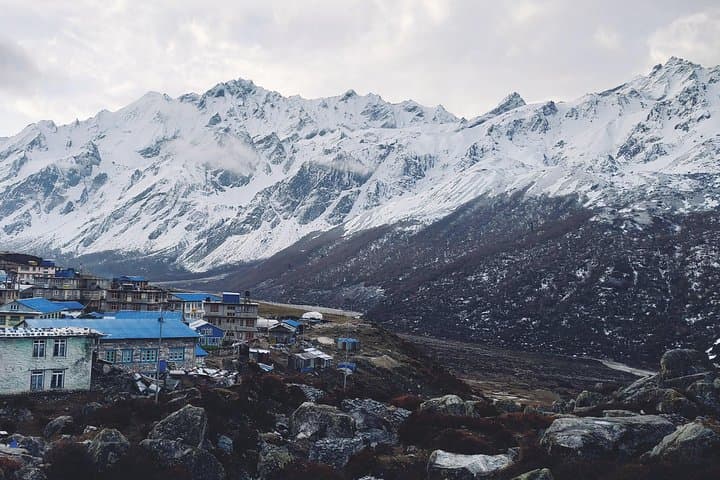
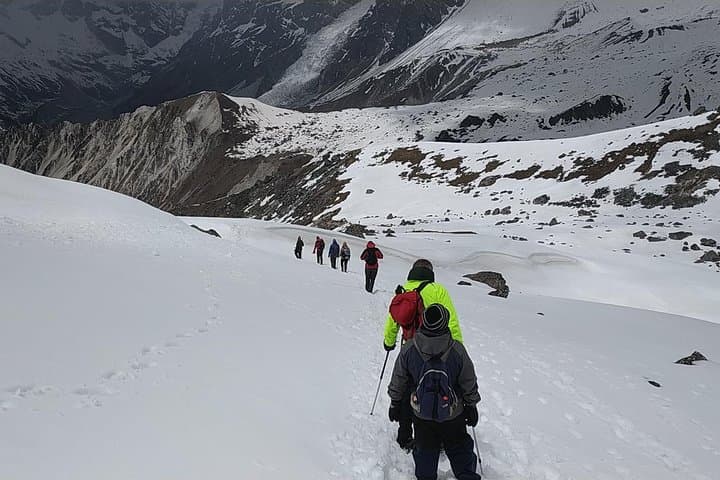
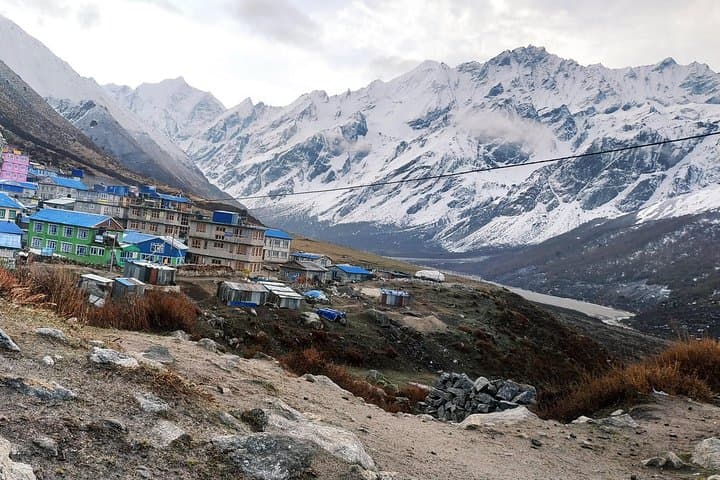
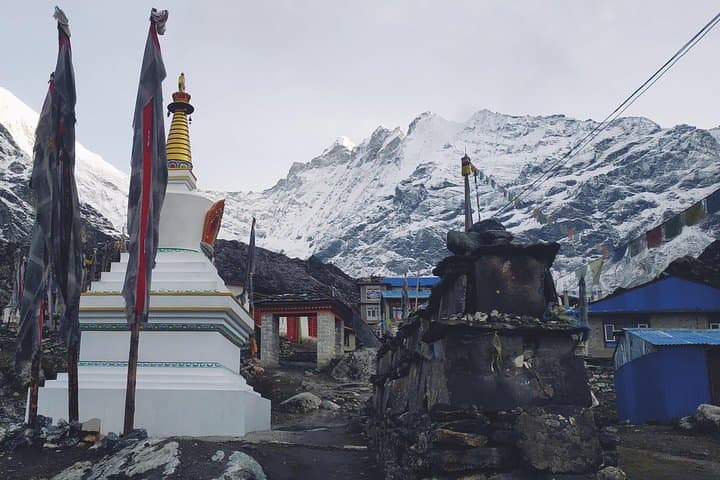
Dawn breaks over a pine-lined road as the vehicle winds out of Kathmandu, and the Himalaya slowly unrolls like a paper map. By day two the trail slips under fir canopy, threads through terraced fields and opens onto a high, stony valley where prayer flags stutter in cold wind. At Kyanjin Gompa, a cluster of lodges and a gompa perch below Tserko Ri—an accessible ridge that rewards effort with wide panoramas of the Langtang Himal.
Dawn breaks over a pine-lined road as the vehicle winds out of Kathmandu, and the Himalaya slowly unrolls like a paper map. By day two the trail slips under fir canopy, threads through terraced fields and opens onto a high, stony valley where prayer flags stutter in cold wind. At Kyanjin Gompa, a cluster of lodges and a gompa perch below Tserko Ri—an accessible ridge that rewards effort with wide panoramas of the Langtang Himal.
The Langtang Valley sits inside Langtang National Park, a geologically active corridor where uplifted metamorphic rock meets glacial moraine. The valley is home to Tamang communities whose monasteries and chautaras (resting platforms) mark centuries of Himalayan life. The 2015 earthquake reshaped villages and spurred resilient rebuilding; trekking here supports local recovery and community-run lodges.
Expect 8 days total, roughly 55–70 km roundtrip with cumulative ascent in the 2,000–2,500 m range; the highest day hikes reach near 4,800–5,000 m on Tserko Ri/Kyanjin Ri. Terrain alternates packed earth and stone steps, with short sections of loose scree above the treeline. Wildlife includes red panda and Himalayan tahr but sightings are rare; birdlife and alpine flowers are abundant in season.
Practical notes: acclimatize gradually, carry waterproof layers and reliable boots, and keep cash for teahouses. Permits (Langtang National Park and TIMS) are required. Trekking in spring or autumn gives the best weather; winter is cold and services limited, while monsoon makes trails slippery. Moderate fitness and prior multi-day hiking experience are recommended.