THE ADVENTURE COLLECTIVE® · Independent discovery and booking for outdoor travel

An 8-day trek from Syabrubesi to Kyangjin Gumpa that climbs through bamboo forests and alpine meadows to panoramic viewpoints above Langtang Valley. Ideal for hikers ready to manage altitude and rely on teahouse logistics.
An 8-day trek from Syabrubesi to Kyangjin Gumpa that climbs through bamboo forests and alpine meadows to panoramic viewpoints above Langtang Valley. Ideal for hikers ready to manage altitude and rely on teahouse logistics.
You leave Kathmandu before dawn and the highway peels away into terraced hills; the Trishuli River hurries beside the jeep as if anxious to get ahead. Seven hours later Syabrubesi sits at the trailhead, a scatter of shops and teahouses where porters adjust loads and the forest begins to close in.
Verified experiences and guided adventures in the surrounding area.
Operated by Nature Explore Trekking Pvt Ltd · Kyangjin Gumpa, Bagmati Province
You leave Kathmandu before dawn and the highway peels away into terraced hills; the Trishuli River hurries beside the jeep as if anxious to get ahead. Seven hours later Syabrubesi sits at the trailhead, a scatter of shops and teahouses where porters adjust loads and the forest begins to close in.
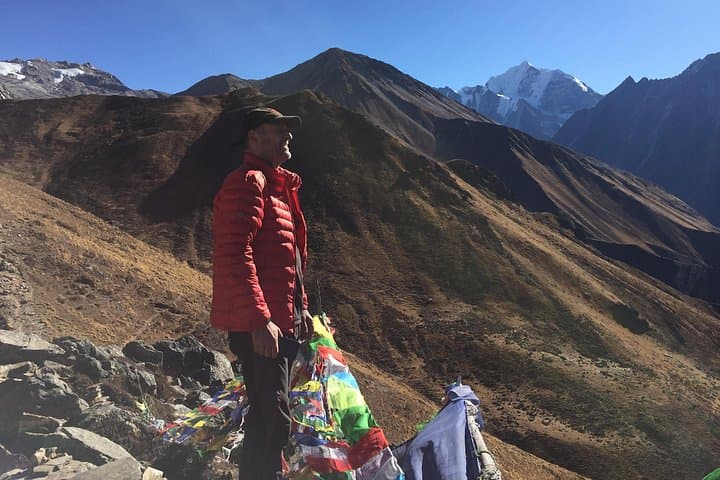
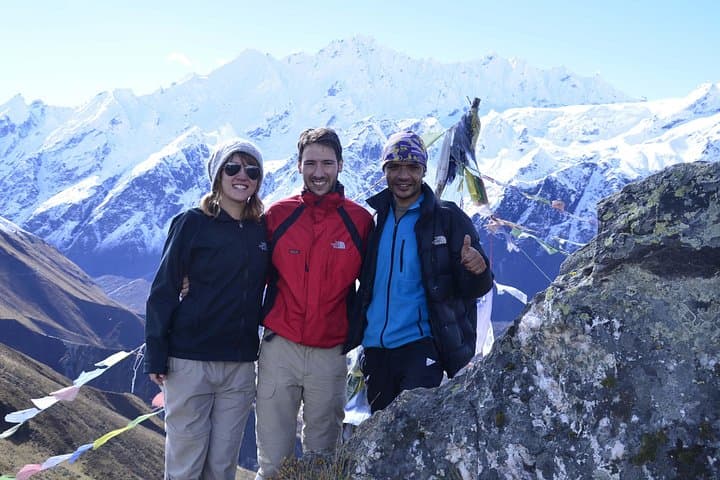
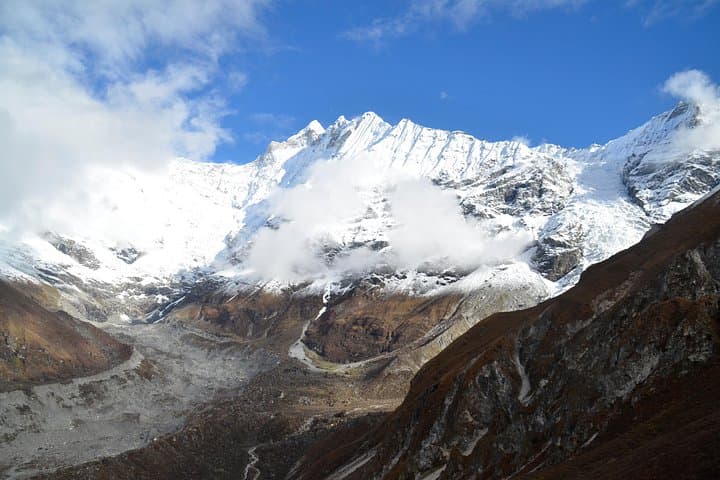
The Langtang Valley is a glacial-cut corridor in the lower Himalaya carved by ice and time. Granite ridgelines and moraine hummocks give way to alpine bowls where Langtang Lirung (7,234 m) dominates the skyline. The valley has been home to Tamang and Tibetan-influenced communities for centuries; prayer flags and mani walls mark monasteries such as Kyangjin Gumpa, where locals keep yak cheese and Buddhist practice alive.
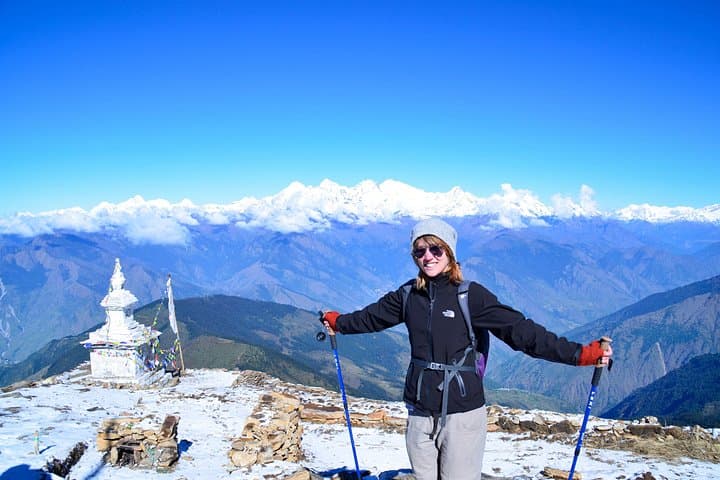
Trails thread bamboo and rhododendron, open onto buckled rock and permanent snow at higher altitudes. Expect steep, stony climbs to viewpoints like Kyangjin Ri (≈4,700 m) and sweeping panoramas of Ganjala, Ganesh Himal and Yala Peak. Wildlife is shy but present: there are Himalayan birds, and the occasional red panda or musk deer in quieter upper forests.
Practicality: the route is traditionally done in 7–9 days with teahouse accommodations and daily hikes of 3–6 hours; acclimatization days are critical. Carry treated water or a purifier, layers for large diurnal swings, and footwear with solid ankle support for rocky, sometimes wet trails. Permits (Langtang National Park and TIMS) and a local guide are standard. Best windows are spring and autumn for stable weather and clear views. Start early to avoid afternoon cloud and always budget extra time for weather or altitude-related slowdowns.
challenging.
7–9 days.
Good cardiovascular fitness with experience carrying a daypack; prior multi-day hiking experience recommended
Yes — you need a Langtang National Park permit and a TIMS card; guides or agencies typically arrange these before or at trailhead checkpoints.
The day hike to Kyangjin Ri gains significant altitude to ~4,700 m; it is steep but doable for trekkers who have acclimatized and are in good fitness.
Teahouses provide basic rooms with shared bathrooms and simple meals; hot water and charging have fees, and standards vary by altitude.
Spring (March–May) and autumn (September–November) offer the most stable weather, clearer views, and flowering or post-monsoon greenery.
The valley has been inhabited by Tamang and Tibetan-influenced communities for centuries; monasteries and mani walls reflect a long Buddhist cultural presence.
Langtang is inside a national park; visitors should follow leave-no-trace practices, minimize single-use plastics, and respect local water resources and yak grazing areas.
Nature Explore Trekking Pvt Ltd operates guided outdoor trips and adventures with an emphasis on safety, stewardship, and memorable experiences.
You leave Kathmandu before dawn and the highway peels away into terraced hills; the Trishuli River hurries beside the jeep as if anxious to get ahead. Seven hours later Syabrubesi sits at the trailhead, a scatter of shops and teahouses where porters adjust loads and the forest begins to close in.
You leave Kathmandu before dawn and the highway peels away into terraced hills; the Trishuli River hurries beside the jeep as if anxious to get ahead. Seven hours later Syabrubesi sits at the trailhead, a scatter of shops and teahouses where porters adjust loads and the forest begins to close in.
The Langtang Valley is a glacial-cut corridor in the lower Himalaya carved by ice and time. Granite ridgelines and moraine hummocks give way to alpine bowls where Langtang Lirung (7,234 m) dominates the skyline. The valley has been home to Tamang and Tibetan-influenced communities for centuries; prayer flags and mani walls mark monasteries such as Kyangjin Gumpa, where locals keep yak cheese and Buddhist practice alive.
Trails thread bamboo and rhododendron, open onto buckled rock and permanent snow at higher altitudes. Expect steep, stony climbs to viewpoints like Kyangjin Ri (≈4,700 m) and sweeping panoramas of Ganjala, Ganesh Himal and Yala Peak. Wildlife is shy but present: there are Himalayan birds, and the occasional red panda or musk deer in quieter upper forests.
Practicality: the route is traditionally done in 7–9 days with teahouse accommodations and daily hikes of 3–6 hours; acclimatization days are critical. Carry treated water or a purifier, layers for large diurnal swings, and footwear with solid ankle support for rocky, sometimes wet trails. Permits (Langtang National Park and TIMS) and a local guide are standard. Best windows are spring and autumn for stable weather and clear views. Start early to avoid afternoon cloud and always budget extra time for weather or altitude-related slowdowns.