THE ADVENTURE COLLECTIVE® · Independent discovery and booking for outdoor travel

A 7-day trail that leads from Syabrubesi to Kyanjin Gompa, the Langtang Valley Trek balances high Himalayan views with tea-house comfort. Hike through rhododendron and bamboo forests, visit local cheese makers, and watch for elusive red pandas while acclimatizing to 3,870 m.
A 7-day trail that leads from Syabrubesi to Kyanjin Gompa, the Langtang Valley Trek balances high Himalayan views with tea-house comfort. Hike through rhododendron and bamboo forests, visit local cheese makers, and watch for elusive red pandas while acclimatizing to 3,870 m.
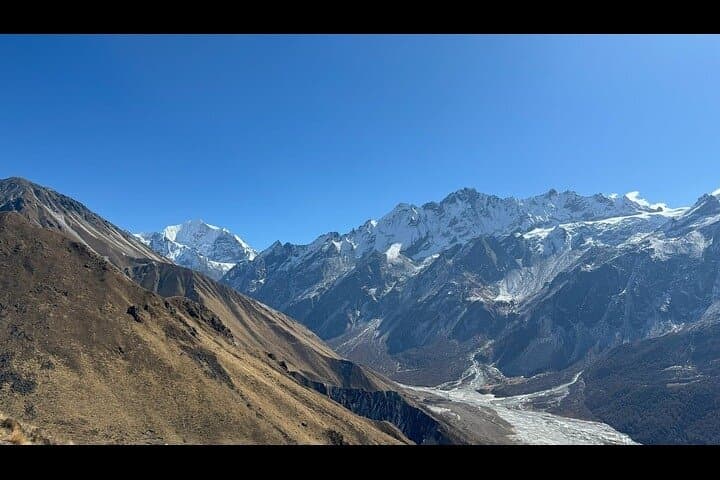
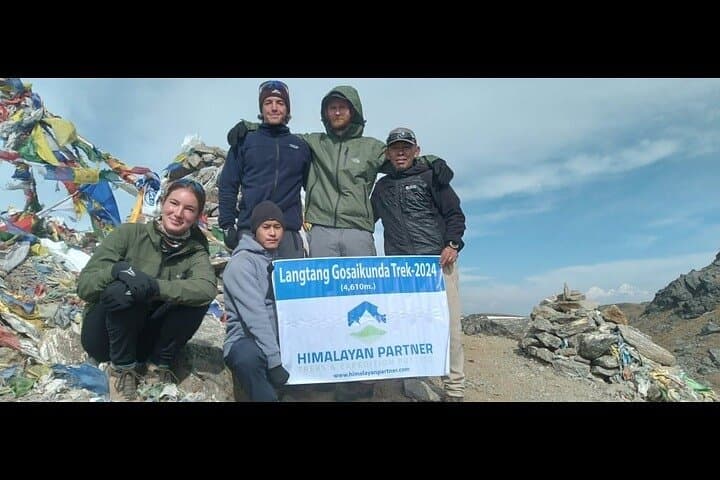
Dawn breaks over narrow ridgelines and the Langtang Khola cuts a bright line through the valley as you step onto the trail. Cold air pushes past, carrying the metallic smell of distant rock and the softer scent of damp rhododendron. By mid-morning a suspension bridge sways underfoot; by sunset prayer flags stitch color into the sky above a tea house light.
Verified experiences and guided adventures in the surrounding area.
Operated by Himalayan Partner Treks and Expedition · Syabrubesi, Bagmati Province
Dawn breaks over narrow ridgelines and the Langtang Khola cuts a bright line through the valley as you step onto the trail. Cold air pushes past, carrying the metallic smell of distant rock and the softer scent of damp rhododendron. By mid-morning a suspension bridge sways underfoot; by sunset prayer flags stitch color into the sky above a tea house light.
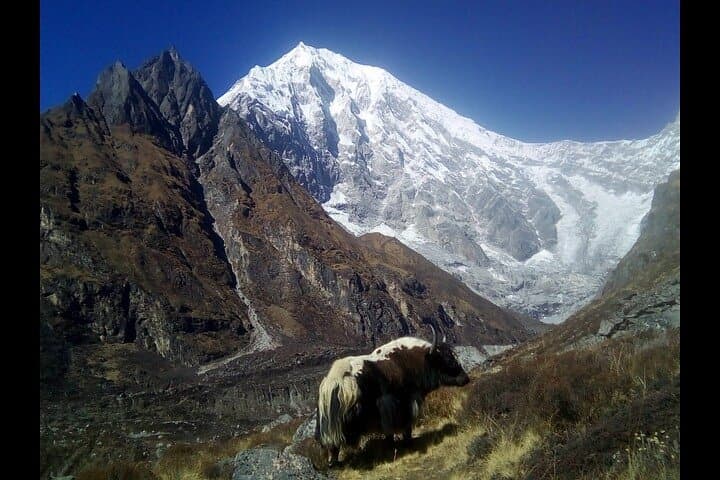
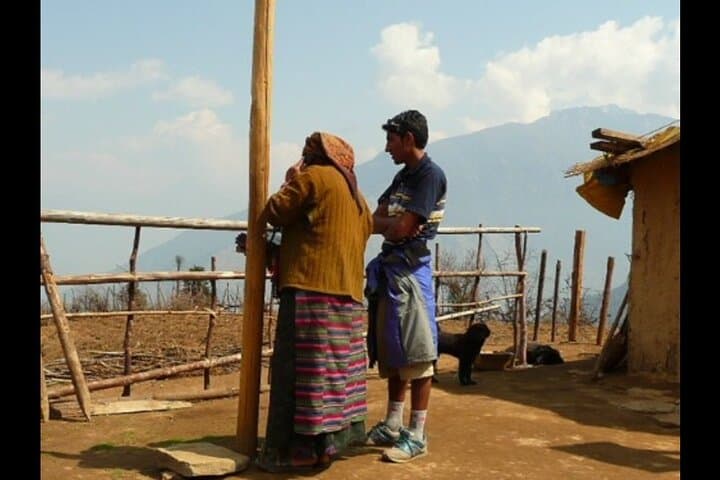
The valley is geologically young — carved by glaciers and ongoing uplift from the collision of the Indian and Eurasian plates — so peaks like Langtang Lirung (7,234 m) thrust abruptly from steep walls. Culturally the route threads Tamang villages and Kyanjin Gompa, where Buddhist chortens, prayer wheels, and a local cheese factory speak to centuries of Himalayan livelihood and small-scale mountain pastoralism. The 2015 earthquake reshaped both terrain and communities; rebuilding here is part of the trek's modern story.
Expect mixed trails: rocky steps, grassy yak pastures, bamboo and rhododendron forests, and intermittent river crossings. Wildlife can be shy but present — red panda and Himalayan tahr are possible sightings.
Practical side: this is a 6–7 day trek with a highest settlement at Kyanjin Gompa (~3,870 m). Acclimatize, pace your ascent, and carry a lightweight water filter; tea houses provide simple meals and shelter but expect basic facilities. Good waterproof boots, layered clothing for cold nights, trekking poles, and sun protection will make the difference. Start early each day to avoid afternoon wind and snow on higher passes, and allow time at Kyanjin to explore the cheese factory and local viewpoints. The Langtang trek pairs vivid mountain exposure with approachable logistics — it rewards steady steps as much as scenic ambition.
moderate.
6–7 days.
Participants should have regular cardio fitness and be comfortable walking 5–7 hours a day with a daypack.
Yes, Langtang National Park requires a permit; organized treks typically include permits and park fees in the package.
Yes — ascend slowly, drink water, and recognize symptoms; plan for an extra rest day if you feel unwell.
Tea houses provide basic private rooms and shared bathrooms; expect simple bedding, hot meals, and showers where available.
Spring (March–May) and autumn (September–November) offer the most stable weather and flowering rhododendrons or clear post-monsoon views.
Langtang valley hosts Tamang communities with Tibetan-Buddhist influences; the area has rebuilt after major 2015 earthquake impacts.
Langtang National Park protects fragile alpine ecosystems; stick to trails, pack out waste, and support local tea houses to minimize your footprint.
Himalayan Partner Treks and Expedition operates guided outdoor trips and adventures with an emphasis on safety, stewardship, and memorable experiences.
Dawn breaks over narrow ridgelines and the Langtang Khola cuts a bright line through the valley as you step onto the trail. Cold air pushes past, carrying the metallic smell of distant rock and the softer scent of damp rhododendron. By mid-morning a suspension bridge sways underfoot; by sunset prayer flags stitch color into the sky above a tea house light.
Dawn breaks over narrow ridgelines and the Langtang Khola cuts a bright line through the valley as you step onto the trail. Cold air pushes past, carrying the metallic smell of distant rock and the softer scent of damp rhododendron. By mid-morning a suspension bridge sways underfoot; by sunset prayer flags stitch color into the sky above a tea house light.
The valley is geologically young — carved by glaciers and ongoing uplift from the collision of the Indian and Eurasian plates — so peaks like Langtang Lirung (7,234 m) thrust abruptly from steep walls. Culturally the route threads Tamang villages and Kyanjin Gompa, where Buddhist chortens, prayer wheels, and a local cheese factory speak to centuries of Himalayan livelihood and small-scale mountain pastoralism. The 2015 earthquake reshaped both terrain and communities; rebuilding here is part of the trek's modern story.
Expect mixed trails: rocky steps, grassy yak pastures, bamboo and rhododendron forests, and intermittent river crossings. Wildlife can be shy but present — red panda and Himalayan tahr are possible sightings.
Practical side: this is a 6–7 day trek with a highest settlement at Kyanjin Gompa (~3,870 m). Acclimatize, pace your ascent, and carry a lightweight water filter; tea houses provide simple meals and shelter but expect basic facilities. Good waterproof boots, layered clothing for cold nights, trekking poles, and sun protection will make the difference. Start early each day to avoid afternoon wind and snow on higher passes, and allow time at Kyanjin to explore the cheese factory and local viewpoints. The Langtang trek pairs vivid mountain exposure with approachable logistics — it rewards steady steps as much as scenic ambition.