THE ADVENTURE COLLECTIVE® · Independent discovery and booking for outdoor travel

Trek into Langtang Valley over 11 days from Kathmandu to Kyanjin Gompa. Expect forested trails, glacier viewpoints, Tamang villages, and steady altitude gains with ample cultural encounters.
Trek into Langtang Valley over 11 days from Kathmandu to Kyanjin Gompa. Expect forested trails, glacier viewpoints, Tamang villages, and steady altitude gains with ample cultural encounters.
A thin morning light slices across the Kathmandu valley as you pack the last of your gear; by day three the road narrows, the bus drops into river-cut gullies and the Himalaya begins to loom. The Langtang Valley trek moves from cultivated terraces into old-growth oak, pine and rhododendron forest and finally to high alpine meadows where glaciers glint like cold coin.
Verified experiences and guided adventures in the surrounding area.
Operated by Travel Maker South Asia Pvt.Ltd · Syabrubesi, Bagmati Province
A thin morning light slices across the Kathmandu valley as you pack the last of your gear; by day three the road narrows, the bus drops into river-cut gullies and the Himalaya begins to loom. The Langtang Valley trek moves from cultivated terraces into old-growth oak, pine and rhododendron forest and finally to high alpine meadows where glaciers glint like cold coin.
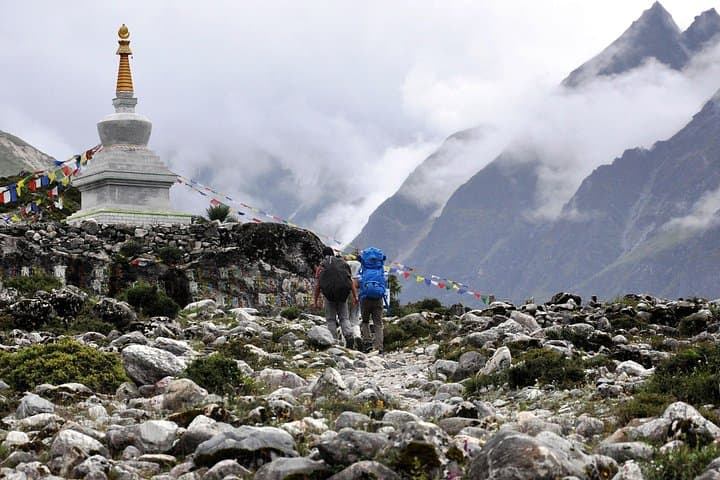
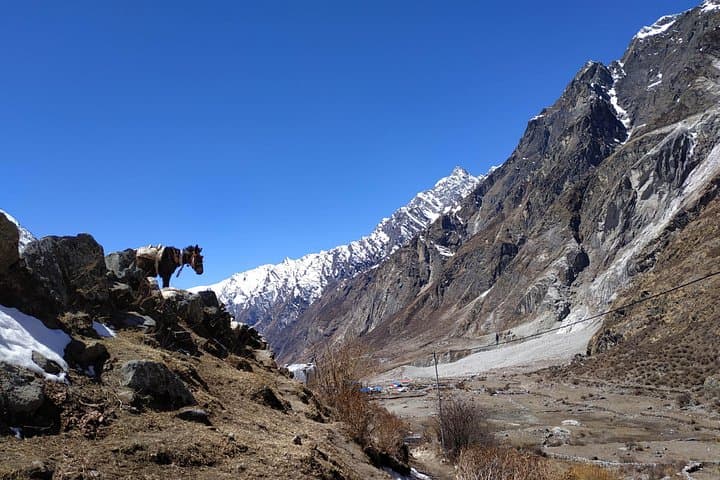
This route threads the second-largest national park in Nepal — Langtang National Park — named for the great Langtang Lirung (7,246 m) to the north. Geology here is dramatic: steep-sided valleys carved by glaciers, moraine ridges and loose scree below permanent ice. Cultural life is equally present; Tamang and Tibetan-influenced communities keep centuries-old Buddhist monasteries and a small cheese factory in Kyanjin Gompa speaks to local adaptation. Much of the valley was rebuilt after the 2015 earthquake, and villages show resilient recovery alongside traditional stone houses and mani walls.
Expect steady ascents: from Syabrubesi (~1,467 m) to Lama Hotel (~2,470 m) you gain roughly 1,000 m; Kyanjin Gompa sits near 3,870 m, with optional side trips to Kyanjin Ri (~4,700 m) or Tsergo Ri (~4,980 m). Trails vary from gentle ridge walks and forest tracks to steeper switchbacks and rocky alpine paths, with river crossings on well-used bridges.
Practical guidance: plan for 4–7 hours of hiking most days, prioritize altitude acclimatization, carry layered clothing and daily cash for teahouses. Start in Kathmandu to organize permits and a quality guide — the trail rewards straightforward preparation with big Himalayan views and meaningful cultural encounters.
moderate.
11 days.
Good aerobic fitness with experience hiking 4–7 hours a day and ability to handle sustained ascents of 800–1,000 m on some days.
Yes — entry permits for Langtang National Park and a TIMS/trekking information management card are required; operators typically arrange these before departure.
Night temperatures at Kyanjin Gompa (≈3,870 m) can drop below freezing outside of summer; bring warm layers and a suitable sleeping bag.
Yes — the trek uses village teahouses for accommodation and meals; expect basic rooms and pay for extras like hot showers and charging.
Moderate risk exists as you reach nearly 3,900 m; follow acclimatization advice, stay hydrated, ascend slowly and consult your guide if symptoms appear.
Langtang’s communities have longstanding Tibetan cultural ties; monasteries like Kyanjin Gompa have served as spiritual and social centers for centuries and the region has been rebuilding since the 2015 earthquake.
Langtang National Park protects fragile alpine ecosystems; stick to trails, carry out waste, and use local guides and teahouses to support community-based conservation.
Travel Maker South Asia Pvt.Ltd operates guided outdoor trips and adventures with an emphasis on safety, stewardship, and memorable experiences.
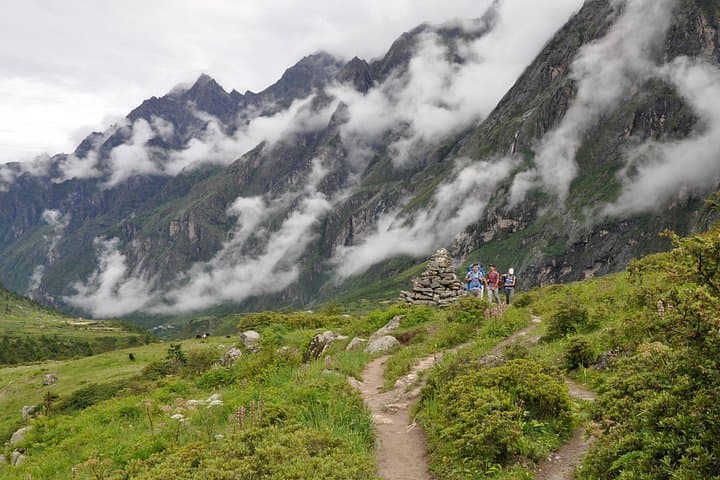
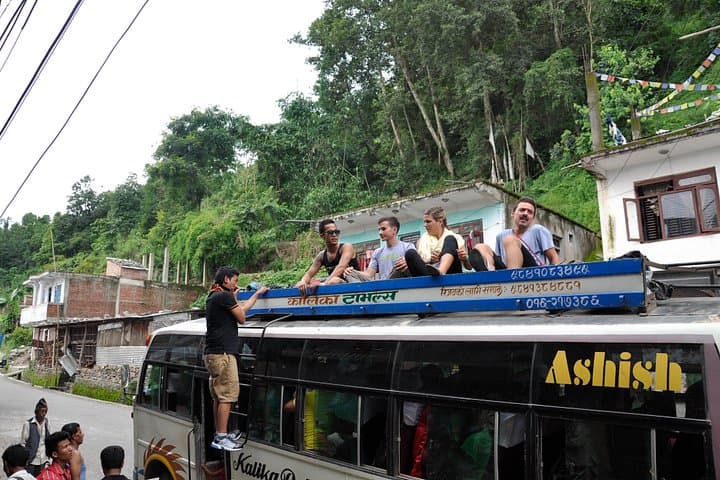
A thin morning light slices across the Kathmandu valley as you pack the last of your gear; by day three the road narrows, the bus drops into river-cut gullies and the Himalaya begins to loom. The Langtang Valley trek moves from cultivated terraces into old-growth oak, pine and rhododendron forest and finally to high alpine meadows where glaciers glint like cold coin.
A thin morning light slices across the Kathmandu valley as you pack the last of your gear; by day three the road narrows, the bus drops into river-cut gullies and the Himalaya begins to loom. The Langtang Valley trek moves from cultivated terraces into old-growth oak, pine and rhododendron forest and finally to high alpine meadows where glaciers glint like cold coin.
This route threads the second-largest national park in Nepal — Langtang National Park — named for the great Langtang Lirung (7,246 m) to the north. Geology here is dramatic: steep-sided valleys carved by glaciers, moraine ridges and loose scree below permanent ice. Cultural life is equally present; Tamang and Tibetan-influenced communities keep centuries-old Buddhist monasteries and a small cheese factory in Kyanjin Gompa speaks to local adaptation. Much of the valley was rebuilt after the 2015 earthquake, and villages show resilient recovery alongside traditional stone houses and mani walls.
Expect steady ascents: from Syabrubesi (~1,467 m) to Lama Hotel (~2,470 m) you gain roughly 1,000 m; Kyanjin Gompa sits near 3,870 m, with optional side trips to Kyanjin Ri (~4,700 m) or Tsergo Ri (~4,980 m). Trails vary from gentle ridge walks and forest tracks to steeper switchbacks and rocky alpine paths, with river crossings on well-used bridges.
Practical guidance: plan for 4–7 hours of hiking most days, prioritize altitude acclimatization, carry layered clothing and daily cash for teahouses. Start in Kathmandu to organize permits and a quality guide — the trail rewards straightforward preparation with big Himalayan views and meaningful cultural encounters.