THE ADVENTURE COLLECTIVE® · Independent discovery and booking for outdoor travel

Walk from Kathmandu into Langtang Valley on a 7-day teahouse trek that balances accessible high-country views, Tamang culture, and glacier-fed landscapes. This route gives panoramic vantage points like Tsergo Ri while relying on village accommodation and local guides.
Walk from Kathmandu into Langtang Valley on a 7-day teahouse trek that balances accessible high-country views, Tamang culture, and glacier-fed landscapes. This route gives panoramic vantage points like Tsergo Ri while relying on village accommodation and local guides.
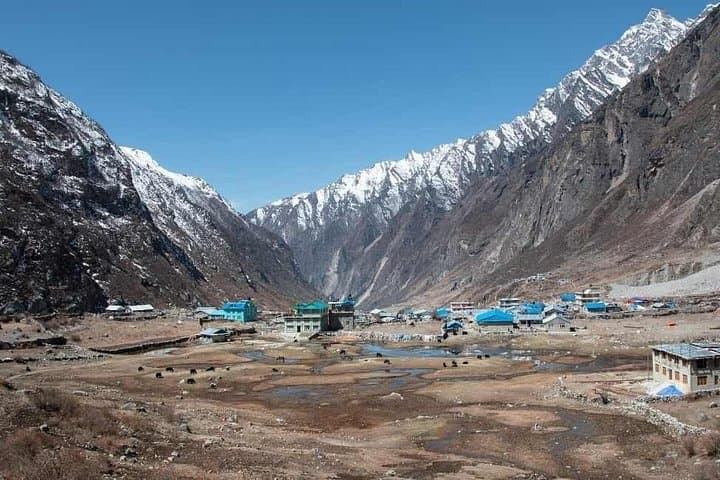
A thin morning mist lifts off the Bhote Koshi as jeeps rattle out of Kathmandu and the road gives way to terraced hills. By the time trekkers reach Syabrubesi, rhododendron-shaded tracks lead into a valley where glacier-fed streams dare you to follow them upward. The 7-day Langtang Valley trek threads lowland forests, alpine meadows, stone-built villages and the spiritual quiet of Kyanjin Gompa.
Verified experiences and guided adventures in the surrounding area.
Operated by Mountain Hike Nepal · Syabrubesi, Bagmati Province
A thin morning mist lifts off the Bhote Koshi as jeeps rattle out of Kathmandu and the road gives way to terraced hills. By the time trekkers reach Syabrubesi, rhododendron-shaded tracks lead into a valley where glacier-fed streams dare you to follow them upward. The 7-day Langtang Valley trek threads lowland forests, alpine meadows, stone-built villages and the spiritual quiet of Kyanjin Gompa.
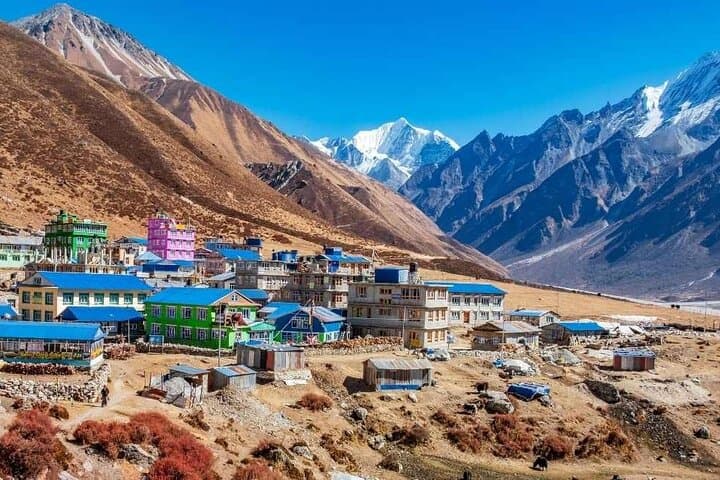
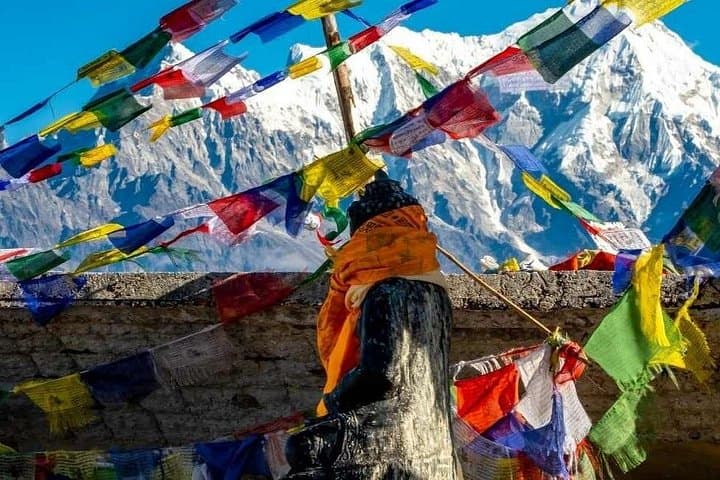
Langtang sits inside Langtang National Park, a landscape carved by tectonic uplift and recent glaciation. Settlements are rooted in Tamang culture; mani walls, prayer flags and small gompas reflect a Himalayan life tied to trade routes and Tibetan influence. Peaks such as Langtang Lirung and viewpoints like Tsergo Ri offer wide, raw panoramas—granite and ice that recall the range’s youthful geology.
Expect single-track trails, well-established teahouses, and steady elevation gain rather than technical rock or rope work. Wildlife is subtle: Himalayan thar or red panda sign can appear in quiet forest sections. Cultural exchanges—tea over conversation in a Tamang home or a monk’s blessing at Kyanjin Gompa—often become highlights.
Practical guidance: plan for 5–6 hours of walking on key days, layer for large diurnal swings, carry cash for remote teahouses, and allow acclimatization by keeping a relaxed schedule (Tsergo Ri is best at dawn for clearer air). Permits (ACAP, TIMS) and an experienced local guide are standard. With moderate fitness and the right kit, the Langtang Valley offers concentrated Himalayan scenery with accessible cultural depth.
moderate.
7 days (total trekking 5–6 days).
A moderate level of cardiovascular fitness and ability to hike 5–6 hours on uneven trails is recommended.
Yes—ACAP (Langtang National Park) and TIMS permits are required and typically handled by your operator before the trek.
Kyanjin Gompa sits around 3,800–3,900 m and Tsergo Ri can reach roughly 4,300–4,500 m depending on the route; symptoms vary so acclimatize slowly.
Teahouses provide basic rooms and hot meals; facilities are simple and improve closer to larger villages like Kyanjin.
Spring (March–May) and autumn (September–November) offer the most stable weather and clearer mountain views.
The Tamang people have inhabited Langtang for centuries, blending Tibetan cultural influence with Nepali trade traditions; the valley’s monasteries are local spiritual centers.
Langtang is inside a protected national park—stay on trails, avoid single-use plastics where possible, and follow local guidelines for waste to limit impacts on fragile alpine ecosystems.
Mountain Hike Nepal operates guided outdoor trips and adventures with an emphasis on safety, stewardship, and memorable experiences.
A thin morning mist lifts off the Bhote Koshi as jeeps rattle out of Kathmandu and the road gives way to terraced hills. By the time trekkers reach Syabrubesi, rhododendron-shaded tracks lead into a valley where glacier-fed streams dare you to follow them upward. The 7-day Langtang Valley trek threads lowland forests, alpine meadows, stone-built villages and the spiritual quiet of Kyanjin Gompa.
A thin morning mist lifts off the Bhote Koshi as jeeps rattle out of Kathmandu and the road gives way to terraced hills. By the time trekkers reach Syabrubesi, rhododendron-shaded tracks lead into a valley where glacier-fed streams dare you to follow them upward. The 7-day Langtang Valley trek threads lowland forests, alpine meadows, stone-built villages and the spiritual quiet of Kyanjin Gompa.
Langtang sits inside Langtang National Park, a landscape carved by tectonic uplift and recent glaciation. Settlements are rooted in Tamang culture; mani walls, prayer flags and small gompas reflect a Himalayan life tied to trade routes and Tibetan influence. Peaks such as Langtang Lirung and viewpoints like Tsergo Ri offer wide, raw panoramas—granite and ice that recall the range’s youthful geology.
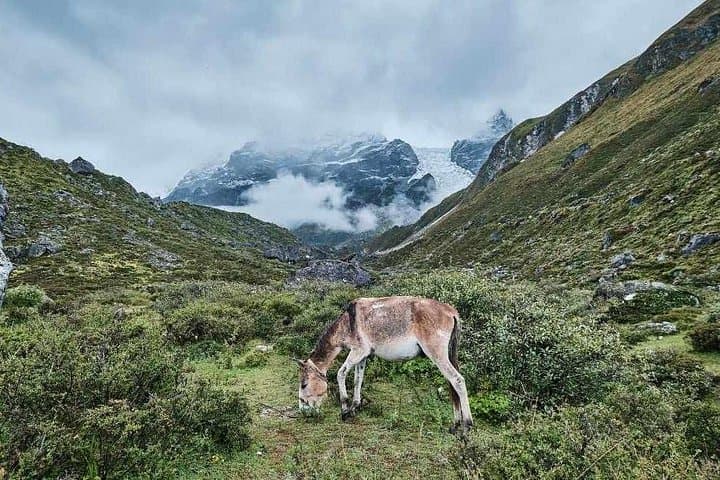
Expect single-track trails, well-established teahouses, and steady elevation gain rather than technical rock or rope work. Wildlife is subtle: Himalayan thar or red panda sign can appear in quiet forest sections. Cultural exchanges—tea over conversation in a Tamang home or a monk’s blessing at Kyanjin Gompa—often become highlights.
Practical guidance: plan for 5–6 hours of walking on key days, layer for large diurnal swings, carry cash for remote teahouses, and allow acclimatization by keeping a relaxed schedule (Tsergo Ri is best at dawn for clearer air). Permits (ACAP, TIMS) and an experienced local guide are standard. With moderate fitness and the right kit, the Langtang Valley offers concentrated Himalayan scenery with accessible cultural depth.