THE ADVENTURE COLLECTIVE® · Independent discovery and booking for outdoor travel

A seven-day loop from Kathmandu into Langtang Valley that climbs through forested ridges to Kyanjin Gompa, combining cultural village visits with high-alpine views. Ideal for trekkers with moderate fitness seeking classic Himalayan scenery and lodge-based nights.
A seven-day loop from Kathmandu into Langtang Valley that climbs through forested ridges to Kyanjin Gompa, combining cultural village visits with high-alpine views. Ideal for trekkers with moderate fitness seeking classic Himalayan scenery and lodge-based nights.
You step out of the bus into a valley that rearranges your sense of scale: pine-scented air, a river that dares you closer with its bright chatter, and peaks cutting a jagged skyline. From Kathmandu’s chaos to Syabrubesi’s quiet, the first day is a drive that eases you into altitude and rural rhythms.
Verified experiences and guided adventures in the surrounding area.
Operated by My Dream Adventure (MDA) · Syabrubesi, Bagmati Province
You step out of the bus into a valley that rearranges your sense of scale: pine-scented air, a river that dares you closer with its bright chatter, and peaks cutting a jagged skyline. From Kathmandu’s chaos to Syabrubesi’s quiet, the first day is a drive that eases you into altitude and rural rhythms.
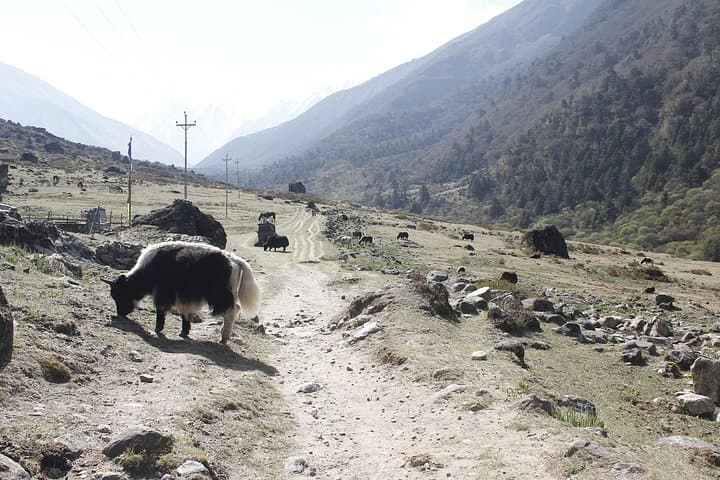
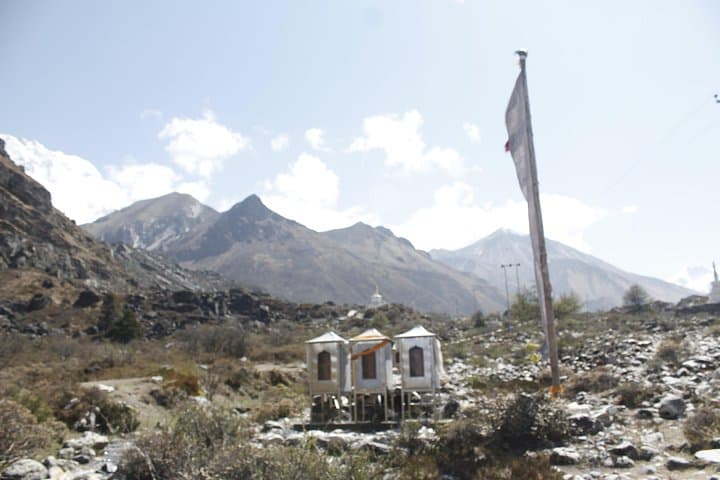
The route threads through Tamang and Sherpa villages where prayer flags mark household thresholds and small monasteries hold decades of local memory. Geologically, the Langtang corridor is a study in uplift and glacial carving—granite ridges, moraine fields, and fast, clear tributaries fed by seasonal melt. Cultural notes: Kyanjin Gompa is both community center and spiritual waypoint; yaks graze below ridgelines and locals continue barley and potato cultivation in high meadows.
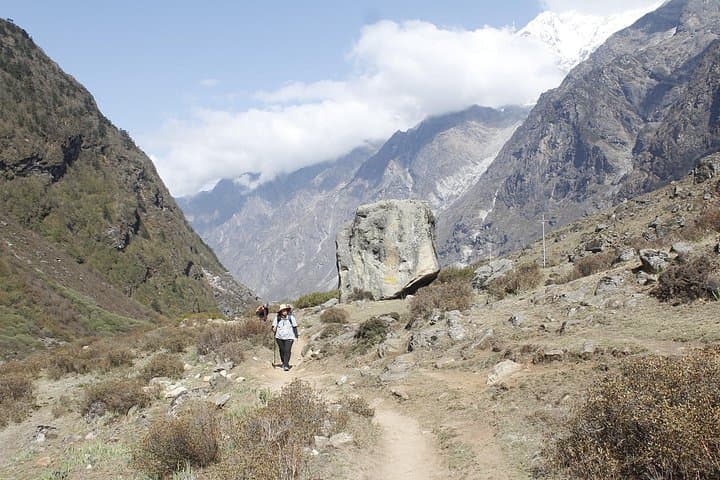
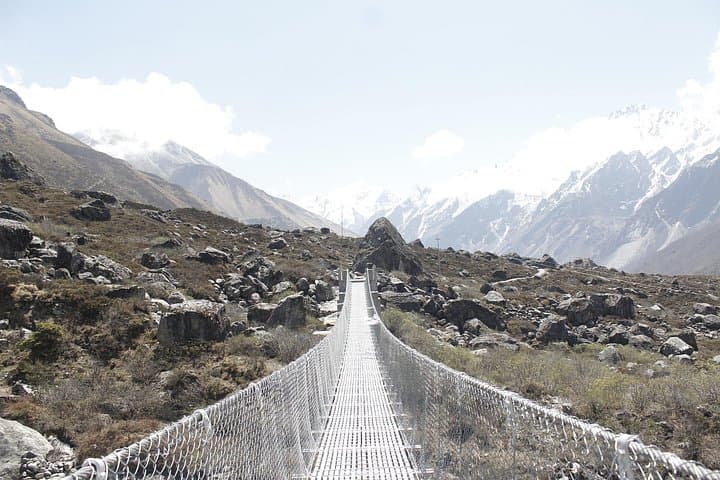
Expect forested switchbacks of oak and rhododendron that explode into alpine views as you climb. Kyanjin Ri offers panoramic rewards—Langtang Lirung dominates the scene—and a reminder that weather can flip quickly above 3,500 m.
Practical guidance: acclimatize—follow the itinerary’s gradual ascent, drink often, and sleep low when possible. Lodges along the route provide basic meals and hot tea, but bring layers for cold nights and a good pair of boots for rocky, sometimes icy pitches. Permits (TIMS and Langtang entry) are required and usually arranged before departure.
Timing: aim for spring or autumn for clear views; winter brings deep snow and summer monsoon can make trails slippery. Respect local customs, pack out waste when possible, and leave altitude pacing to common sense—this trek rewards steady legs and patient breathing.
moderate.
6–8 days.
Suitable for trekkers with steady cardiovascular fitness and experience hiking 4–6 hours a day carrying a daypack; not for complete beginners.
Moderate: daily hikes of 4–6 hours with steady elevation gain; suitable for those in decent cardio shape and accustomed to multi-day hiking.
Yes—the trek requires TIMS and entry permits for Langtang National Park; most operators arrange permits but you must provide passport details in advance.
Lodge-based nights in guesthouses (teahouses) with basic rooms and shared facilities; expect simple meals and limited hot water at higher altitudes.
Spring (March–May) and autumn (September–November) offer the clearest skies and stable weather; monsoon months are wetter and winter brings deep snow at higher elevations.
Langtang Valley has long been home to Tamang communities; the area developed trekking infrastructure in the late 20th century and recovered gradually after the 2015 earthquake.
Langtang is within a national park—stay on trails, minimize single-use plastics, and support local lodges that follow waste-management practices.
My Dream Adventure (MDA) operates guided outdoor trips and adventures with an emphasis on safety, stewardship, and memorable experiences.
You step out of the bus into a valley that rearranges your sense of scale: pine-scented air, a river that dares you closer with its bright chatter, and peaks cutting a jagged skyline. From Kathmandu’s chaos to Syabrubesi’s quiet, the first day is a drive that eases you into altitude and rural rhythms.
You step out of the bus into a valley that rearranges your sense of scale: pine-scented air, a river that dares you closer with its bright chatter, and peaks cutting a jagged skyline. From Kathmandu’s chaos to Syabrubesi’s quiet, the first day is a drive that eases you into altitude and rural rhythms.
The route threads through Tamang and Sherpa villages where prayer flags mark household thresholds and small monasteries hold decades of local memory. Geologically, the Langtang corridor is a study in uplift and glacial carving—granite ridges, moraine fields, and fast, clear tributaries fed by seasonal melt. Cultural notes: Kyanjin Gompa is both community center and spiritual waypoint; yaks graze below ridgelines and locals continue barley and potato cultivation in high meadows.
Expect forested switchbacks of oak and rhododendron that explode into alpine views as you climb. Kyanjin Ri offers panoramic rewards—Langtang Lirung dominates the scene—and a reminder that weather can flip quickly above 3,500 m.
Practical guidance: acclimatize—follow the itinerary’s gradual ascent, drink often, and sleep low when possible. Lodges along the route provide basic meals and hot tea, but bring layers for cold nights and a good pair of boots for rocky, sometimes icy pitches. Permits (TIMS and Langtang entry) are required and usually arranged before departure.
Timing: aim for spring or autumn for clear views; winter brings deep snow and summer monsoon can make trails slippery. Respect local customs, pack out waste when possible, and leave altitude pacing to common sense—this trek rewards steady legs and patient breathing.