THE ADVENTURE COLLECTIVE® · Independent discovery and booking for outdoor travel

A multi-day trek into Langtang Valley that culminates with a non-technical ascent of Tserko Ri (≈5,033 m). Expect forested approaches, yak pastures, high alpine views and cultural stops in Tamang villages.
A multi-day trek into Langtang Valley that culminates with a non-technical ascent of Tserko Ri (≈5,033 m). Expect forested approaches, yak pastures, high alpine views and cultural stops in Tamang villages.
A thin morning light slips between serrated ridgelines as you step off the tea-house bench in Kyangjin Gomma, breath clouding and boots settling into rocky, moraine-strewn paths. The Langtang valley opens ahead—forest gives way to alpine scrub and the glacier-fed river that seems to dare you onward—while Tserko Ri’s flanks rise like a final question to answer.
Verified experiences and guided adventures in the surrounding area.
Operated by Adventure Thirdpole · Kyangjin Gompa, Bagmati Province
A thin morning light slips between serrated ridgelines as you step off the tea-house bench in Kyangjin Gomma, breath clouding and boots settling into rocky, moraine-strewn paths. The Langtang valley opens ahead—forest gives way to alpine scrub and the glacier-fed river that seems to dare you onward—while Tserko Ri’s flanks rise like a final question to answer.
This route follows trails long used by Tamang and Tibetan communities; villages, gompas and yak pastures speak to a pastoral culture shaped by Tibetan Buddhism. Geologically, the valley is carved from recent glacial activity—the moraine walls, polished bedrock and hanging glaciers are clear evidence of ongoing uplift and ice sculpting. Wildlife in Langtang is discreet but present: keep an eye out for red pandas in rhododendron understory and Himalayan tahr on rocky crags.
Practical guidance: the itinerary runs roughly 11–13 days with progressive gains to about 5,033–5,050 m on Tserko Ri. Expect long days of steady uphill, short sections of loose scree near the summit and weather that can switch from sun to wind-driven snow. Altitude acclimatization is built into the schedule with rest days at Kyangjin; bring layers for freezing nights and sun protection for exposed days. Hydrate, monitor for AMS symptoms, and use trekking poles to reduce knee strain on descents.
Logistics: permits (TIMS, national park fees) are required, teahouse accommodation is standard, and access begins from Kathmandu with a long drive to Syabru Besi. For experienced trekkers seeking big views without technical ice climbing, Tserko Ri delivers a 360° payoff at high altitude.
challenging.
11–13 days.
Good aerobic fitness for daily 4–8 hour hikes and the ability to cope with long days at altitude
Yes—Trekkers Information Management System (TIMS) and Langtang National Park entry fees are required and usually handled by your operator.
No technical ice-climbing gear is typically required for the standard route, but loose scree and steep sections call for good boots and basic scrambling ability.
Fall (Sept–Nov) offers the most stable weather and visibility; spring (Mar–May) is vivid with rhododendrons but can be slightly less stable.
The itinerary includes acclimatization stops (e.g., Kyangjin); watch for AMS symptoms, ascend slowly, hydrate, and descend if symptoms worsen.
The Langtang valley is home to Tamang communities with Tibetan Buddhist monasteries; trade routes historically linked these villages to Tibet.
Langtang National Park protects fragile alpine habitats—stick to trails, avoid single-use plastics and use teahouse facilities responsibly to minimize impact.
Adventure Thirdpole operates guided outdoor trips and adventures with an emphasis on safety, stewardship, and memorable experiences.
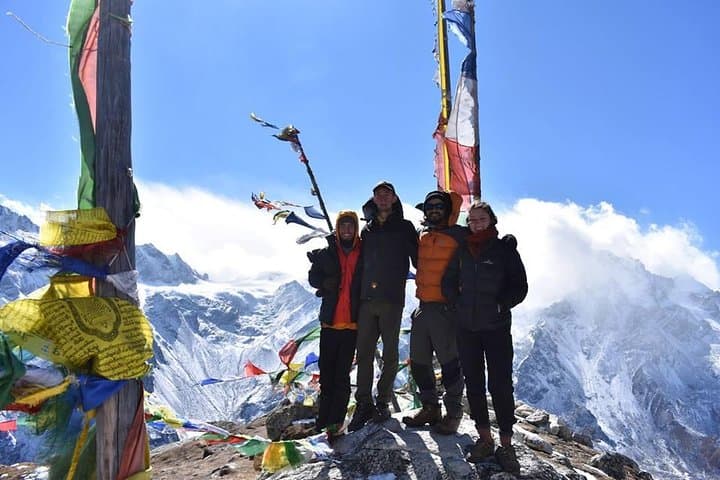
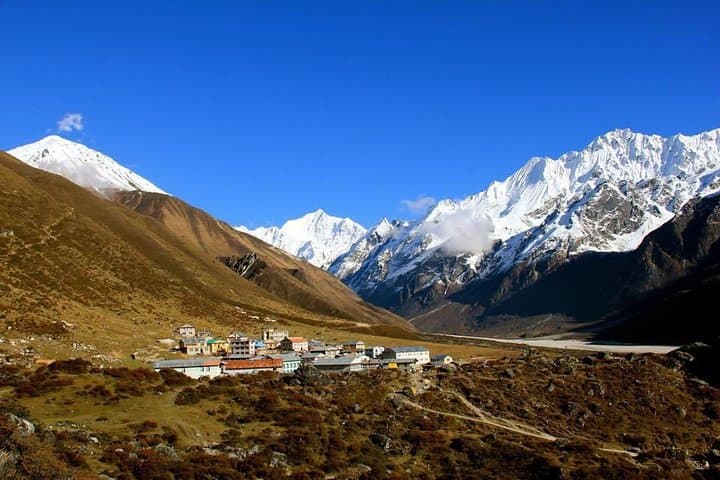
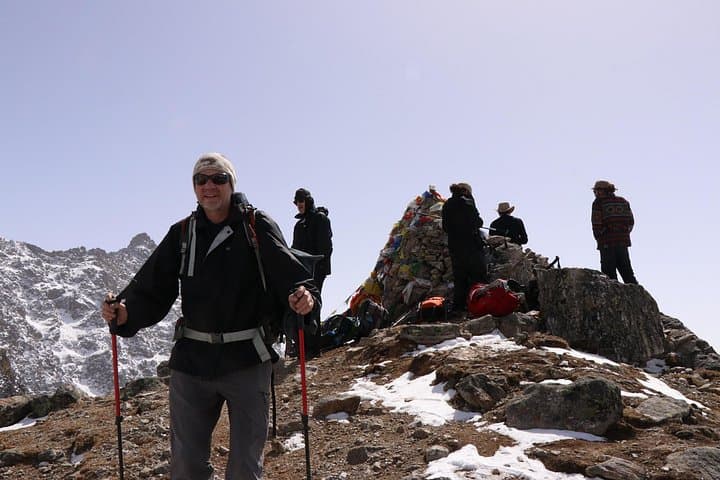
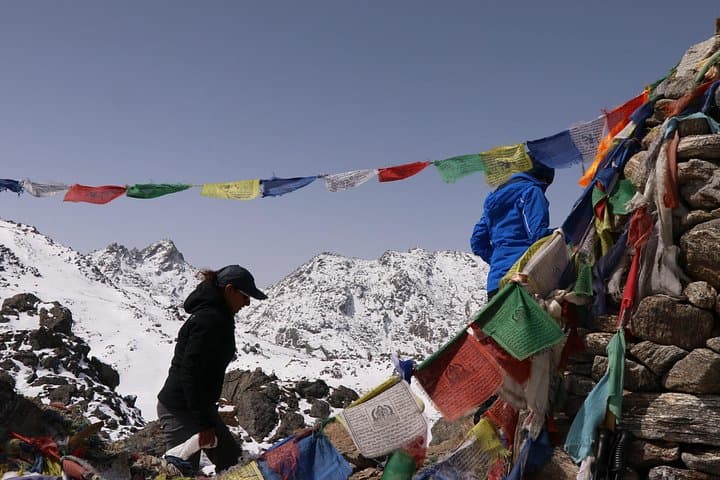
A thin morning light slips between serrated ridgelines as you step off the tea-house bench in Kyangjin Gomma, breath clouding and boots settling into rocky, moraine-strewn paths. The Langtang valley opens ahead—forest gives way to alpine scrub and the glacier-fed river that seems to dare you onward—while Tserko Ri’s flanks rise like a final question to answer.
A thin morning light slips between serrated ridgelines as you step off the tea-house bench in Kyangjin Gomma, breath clouding and boots settling into rocky, moraine-strewn paths. The Langtang valley opens ahead—forest gives way to alpine scrub and the glacier-fed river that seems to dare you onward—while Tserko Ri’s flanks rise like a final question to answer.
This route follows trails long used by Tamang and Tibetan communities; villages, gompas and yak pastures speak to a pastoral culture shaped by Tibetan Buddhism. Geologically, the valley is carved from recent glacial activity—the moraine walls, polished bedrock and hanging glaciers are clear evidence of ongoing uplift and ice sculpting. Wildlife in Langtang is discreet but present: keep an eye out for red pandas in rhododendron understory and Himalayan tahr on rocky crags.
Practical guidance: the itinerary runs roughly 11–13 days with progressive gains to about 5,033–5,050 m on Tserko Ri. Expect long days of steady uphill, short sections of loose scree near the summit and weather that can switch from sun to wind-driven snow. Altitude acclimatization is built into the schedule with rest days at Kyangjin; bring layers for freezing nights and sun protection for exposed days. Hydrate, monitor for AMS symptoms, and use trekking poles to reduce knee strain on descents.
Logistics: permits (TIMS, national park fees) are required, teahouse accommodation is standard, and access begins from Kathmandu with a long drive to Syabru Besi. For experienced trekkers seeking big views without technical ice climbing, Tserko Ri delivers a 360° payoff at high altitude.