THE ADVENTURE COLLECTIVE® · Independent discovery and booking for outdoor travel

An 8-day private traverse into Langtang Valley that climbs from Syabrubesi to Kyanjin Gompa and Kyanjin Ri. Expect forested trails, yak pastures, close views of Langtang Lirung, and teahouse nights with local Buddhist culture.
An 8-day private traverse into Langtang Valley that climbs from Syabrubesi to Kyanjin Gompa and Kyanjin Ri. Expect forested trails, yak pastures, close views of Langtang Lirung, and teahouse nights with local Buddhist culture.
The morning air on the jeep ride out of Kathmandu tastes of diesel and pine as the road drops from the valley rim into the Rasuwa hills. Small chortens and terraced rice fields blur past, and by the time you reach Syabrubesi the river’s voice has replaced city noise.
Verified experiences and guided adventures in the surrounding area.
Operated by Explore Hub Nepal · Syabrubesi, Bagmati Province
The morning air on the jeep ride out of Kathmandu tastes of diesel and pine as the road drops from the valley rim into the Rasuwa hills. Small chortens and terraced rice fields blur past, and by the time you reach Syabrubesi the river’s voice has replaced city noise.
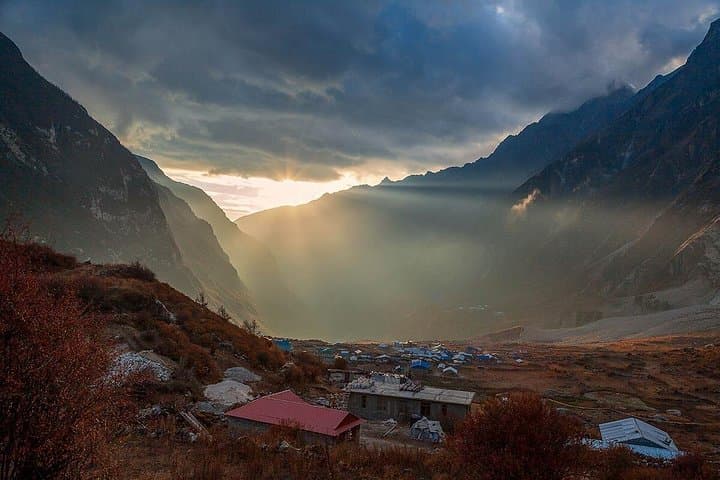
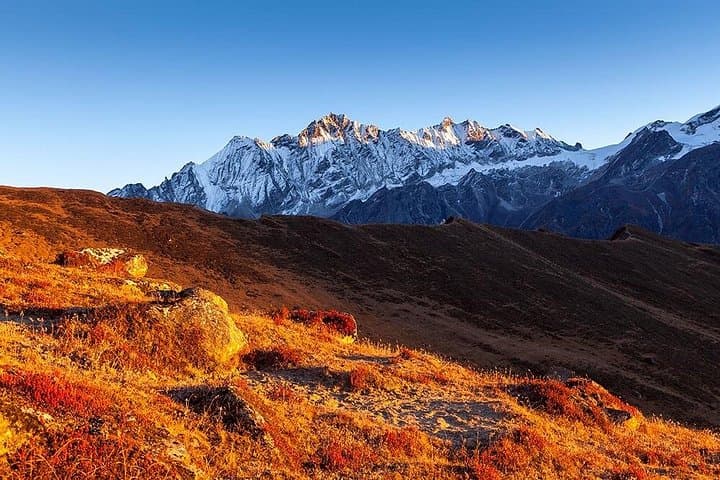
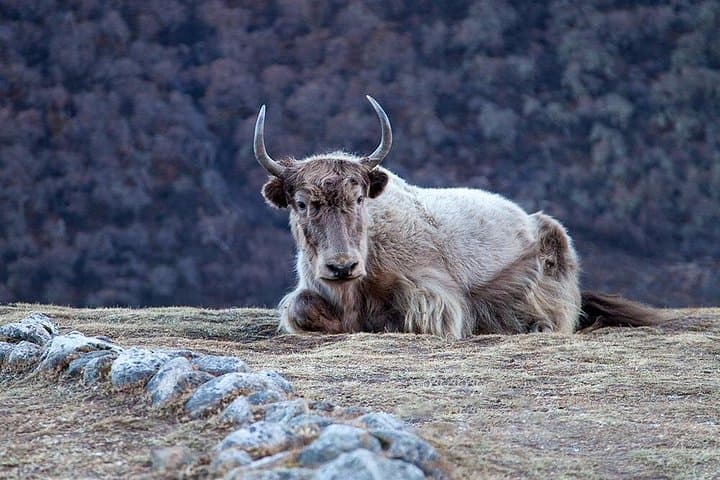
Over the next six days the trail threads alder and rhododendron forests, crosses long suspension bridges and climbs through yak pastures toward Kyanjin Gompa. The route gains roughly 2,700–3,400 m from trailhead to Kyanjin Ri (approaching 4,985 m), with typical daily hikes of 5–7 hours and steep sections that test your legs and lungs. Geology is visible in the moraines and glacial streams; Langtang Lirung (7,234 m) dominates the skyline, and you’ll see signs of the 2015 quake where villages were swept by debris.
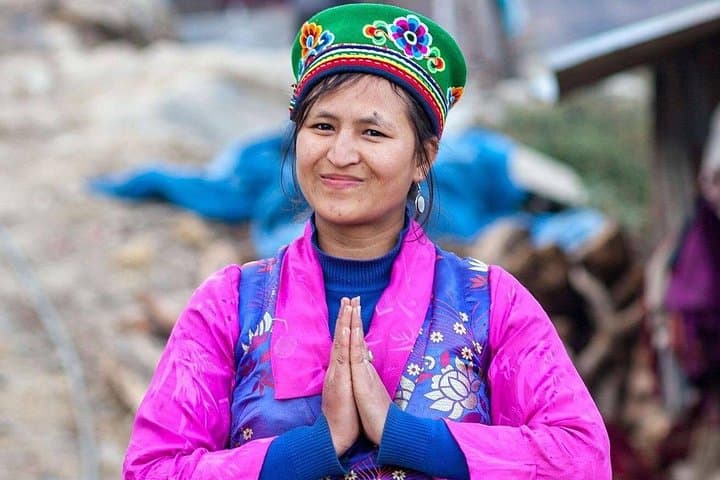
Culturally, the valley is Tamang and Tibetan Buddhist — simple monasteries, mani walls and a small cheese factory at Kyanjin offer direct contact with local life. Wildlife is shy but present: blue sheep, langurs and, with luck, red panda signs in higher forests.
Practicalities: this is a teahouse trek — no heavy gear shuttling required but you must carry a daypack. Permits (Langtang National Park entry and TIMS) and a licensed guide are standard. Acclimatize slowly: consider the extra day hikes to lower Kyanjin Ri and Tsergo Ri for gradual elevation gain. Bring warm layers, waterproof outerwear, sturdy boots and water treatment. Start early on summit-style days to avoid afternoon wind and give yourself time for rest at villages where simple dal bhat and hot tea restore energy.
challenging.
8 days.
Good aerobic fitness with experience hiking 5–7 hours per day and comfort gaining/losing 800–1,200 m in a day
Yes — Langtang National Park entry and a TIMS card are normally required; your operator usually arranges these and a licensed guide.
Kyanjin Ri reaches about 4,985 m (16,355 ft); plan acclimatization and recognize altitude sickness symptoms.
Yes — the trek is a teahouse route with basic lodges offering shared rooms, simple meals like dal bhat and local tea.
Expect daily hikes of 5–7 hours with sustained elevation gain; good cardiovascular fitness and a few long-training hikes beforehand are recommended.
The Langtang valley is predominantly Tamang, with strong Tibetan Buddhist influence; the 2015 earthquake dramatically altered settlements here and recovery is ongoing.
Langtang is inside Langtang National Park — stick to trails, avoid single-use plastics and support local teahouses to help the valley’s sustainable tourism recovery.
Explore Hub Nepal operates guided outdoor trips and adventures with an emphasis on safety, stewardship, and memorable experiences.
The morning air on the jeep ride out of Kathmandu tastes of diesel and pine as the road drops from the valley rim into the Rasuwa hills. Small chortens and terraced rice fields blur past, and by the time you reach Syabrubesi the river’s voice has replaced city noise.
The morning air on the jeep ride out of Kathmandu tastes of diesel and pine as the road drops from the valley rim into the Rasuwa hills. Small chortens and terraced rice fields blur past, and by the time you reach Syabrubesi the river’s voice has replaced city noise.
Over the next six days the trail threads alder and rhododendron forests, crosses long suspension bridges and climbs through yak pastures toward Kyanjin Gompa. The route gains roughly 2,700–3,400 m from trailhead to Kyanjin Ri (approaching 4,985 m), with typical daily hikes of 5–7 hours and steep sections that test your legs and lungs. Geology is visible in the moraines and glacial streams; Langtang Lirung (7,234 m) dominates the skyline, and you’ll see signs of the 2015 quake where villages were swept by debris.
Culturally, the valley is Tamang and Tibetan Buddhist — simple monasteries, mani walls and a small cheese factory at Kyanjin offer direct contact with local life. Wildlife is shy but present: blue sheep, langurs and, with luck, red panda signs in higher forests.
Practicalities: this is a teahouse trek — no heavy gear shuttling required but you must carry a daypack. Permits (Langtang National Park entry and TIMS) and a licensed guide are standard. Acclimatize slowly: consider the extra day hikes to lower Kyanjin Ri and Tsergo Ri for gradual elevation gain. Bring warm layers, waterproof outerwear, sturdy boots and water treatment. Start early on summit-style days to avoid afternoon wind and give yourself time for rest at villages where simple dal bhat and hot tea restore energy.