THE ADVENTURE COLLECTIVE® · Independent discovery and booking for outdoor travel

Traverse forested valleys, yak pastures and glacial slopes on a 12-day circuit from Syabrubesi to the sacred Gosainkunda lakes. This remote Langtang route blends high-altitude scenery with Tamang and Sherpa village life.
Traverse forested valleys, yak pastures and glacial slopes on a 12-day circuit from Syabrubesi to the sacred Gosainkunda lakes. This remote Langtang route blends high-altitude scenery with Tamang and Sherpa village life.
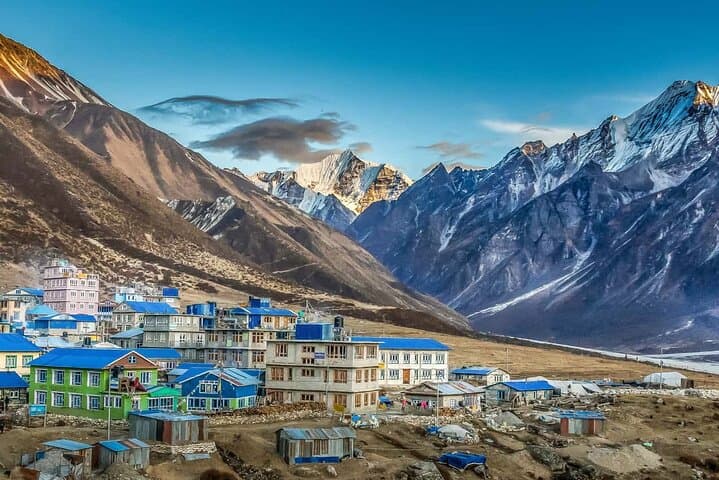
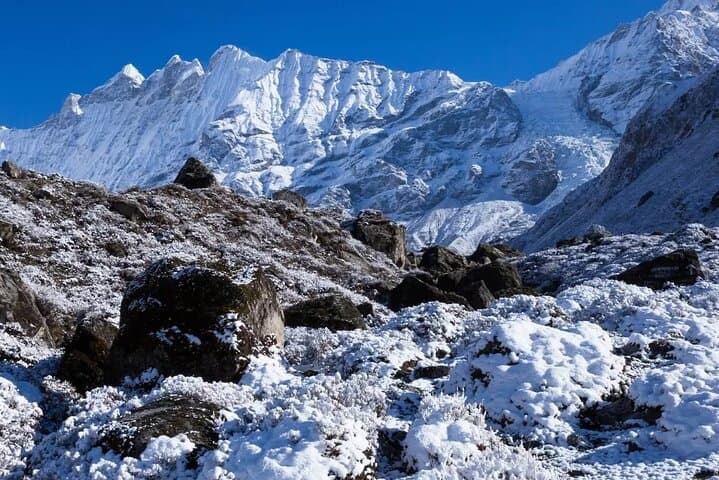
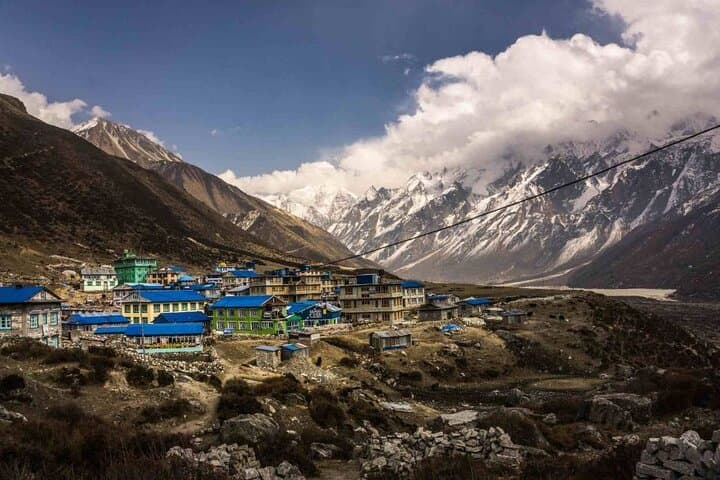
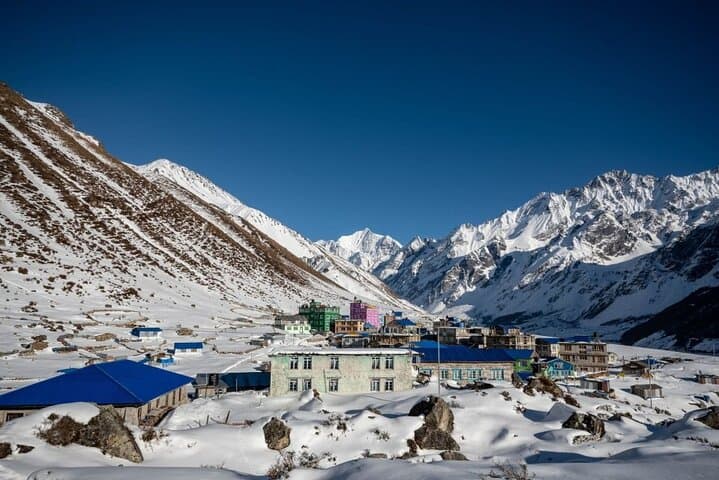
A cold breeze pushes through a stand of rhododendron as the trail narrows above the Langtang Khola, and the valley opens to a slice of sky dominated by Langtang Lirung. On this 12-day route hikers move from terraced farmland into deep pine forests, cross yak pastures and moraines, and climb to the sacred high lakes of Gosainkunda at 4,380 m.
Verified experiences and guided adventures in the surrounding area.
Operated by AM Travels and Tours · Kathmandu, Bagmati Province
A cold breeze pushes through a stand of rhododendron as the trail narrows above the Langtang Khola, and the valley opens to a slice of sky dominated by Langtang Lirung. On this 12-day route hikers move from terraced farmland into deep pine forests, cross yak pastures and moraines, and climb to the sacred high lakes of Gosainkunda at 4,380 m.
The Langtang region sits at the interface of Kathmandu’s cultural plain and the high Himalaya. Historically a Tamang and Sherpa landscape, the valley has long been a pilgrimage and pastoral corridor; monasteries and chortens mark centuries of Tibetan-Buddhist influence. Geologically the area is young, steep country carved by glaciers and recent uplift, so expect steep river-cut gorges, glacial till and sharp ridgelines.
Cultural moments arrive between climbs: tea-house conversations, cheese made from yak milk in Kyanjin, and villagers greeting passes with folded hands. Nature here has personality—rivers hurry downstream daring you to keep pace, wind pushes across the high meadows, and sunrise paints the jagged peaks with fast, cold light.
Practical guidance: the itinerary includes sustained ascent to 4,610 m at Lauribina Pass; acclimatization days (e.g., Tserko Ri option) are built in. Trails are uneven — good boots, layered insulation, and a steady pace matter more than speed. Water purification and sun protection are essential at high camps. This trek suits hikers with previous multi-day experience and reasonable altitude fitness who want remote trails, cultural depth, and high alpine scenery without technical climbing.
challenging.
12 days.
Good aerobic fitness with experience on multi-day treks; ability to hike 5–7 hours per day with elevation gain.
Yes. TIMS and Langtang National Park permits are required for entry; your operator typically arranges these before departure.
Spring (March–May) and autumn (September–November) offer the most stable weather, clearer views and flowering rhododendrons in spring.
The trek reaches 4,610 m at Lauribina Pass; acclimatization days and a slow ascent profile help, but some travelers may feel altitude effects.
Yes — basic teahouses/guesthouses provide meals and simple rooms in Syabrubesi, Lama Hotel, Langtang Village, Kyanjin and other stops.
Langtang valley has long been inhabited by Tamang and Lama communities and was historically a route for trans-Himalayan trade and pilgrimage.
Langtang lies within a national park where visitor impact is managed; stick to trails, avoid single-use plastics, and support local teahouses to help the fragile alpine economy.
AM Travels and Tours operates guided outdoor trips and adventures with an emphasis on safety, stewardship, and memorable experiences.
A cold breeze pushes through a stand of rhododendron as the trail narrows above the Langtang Khola, and the valley opens to a slice of sky dominated by Langtang Lirung. On this 12-day route hikers move from terraced farmland into deep pine forests, cross yak pastures and moraines, and climb to the sacred high lakes of Gosainkunda at 4,380 m.
A cold breeze pushes through a stand of rhododendron as the trail narrows above the Langtang Khola, and the valley opens to a slice of sky dominated by Langtang Lirung. On this 12-day route hikers move from terraced farmland into deep pine forests, cross yak pastures and moraines, and climb to the sacred high lakes of Gosainkunda at 4,380 m.
The Langtang region sits at the interface of Kathmandu’s cultural plain and the high Himalaya. Historically a Tamang and Sherpa landscape, the valley has long been a pilgrimage and pastoral corridor; monasteries and chortens mark centuries of Tibetan-Buddhist influence. Geologically the area is young, steep country carved by glaciers and recent uplift, so expect steep river-cut gorges, glacial till and sharp ridgelines.
Cultural moments arrive between climbs: tea-house conversations, cheese made from yak milk in Kyanjin, and villagers greeting passes with folded hands. Nature here has personality—rivers hurry downstream daring you to keep pace, wind pushes across the high meadows, and sunrise paints the jagged peaks with fast, cold light.
Practical guidance: the itinerary includes sustained ascent to 4,610 m at Lauribina Pass; acclimatization days (e.g., Tserko Ri option) are built in. Trails are uneven — good boots, layered insulation, and a steady pace matter more than speed. Water purification and sun protection are essential at high camps. This trek suits hikers with previous multi-day experience and reasonable altitude fitness who want remote trails, cultural depth, and high alpine scenery without technical climbing.