
Langkawi Mangrove Safari: Kilim River Small-Boat Tour with Eagles & Bat Caves
Glide through Langkawi’s Kilim mangroves in a small boat to see bat caves, eagles and mudskippers up close. This guided, four-hour safari includes lunch and hotel transfers—ideal for photographers and wildlife fans who want intimate access to tidal ecology.
An Adventure In Kuah.
Glide through Langkawi’s Kilim mangroves in a small boat to see bat caves, eagles and mudskippers up close. This guided, four-hour safari includes lunch and hotel transfers—ideal for photographers and wildlife fans who want intimate access to tidal ecology.
Read the full experience
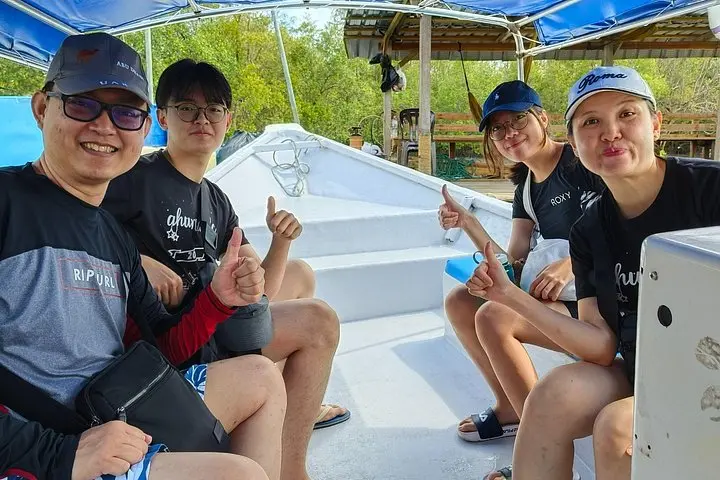
You push off a narrow jetty and the river takes hold, the mangrove canopy closing like a low green arch. The boat threads between limestone towers and tangled roots, the guide's quiet explanations punctuated by the slap of water and the distant cry of an eagle. Bat Cave appears as a dark mouth in the karst—at low tide your small craft slips close enough for faces to peer into shadowed chambers while tidal channels dare you to read their rhythm.
You push off a narrow jetty and the river takes hold, the mangrove canopy closing like a low green arch. The boat threads between limestone towers and tangled roots, the guide's quiet explanations punctuated by the slap of water and the distant cry of an eagle. Bat Cave appears as a dark mouth in the karst—at low tide your small craft slips close enough for faces to peer into shadowed chambers while tidal channels dare you to read their rhythm.
This stretch of the Kilim River sits inside Langkawi's geopark landscape, a place shaped over millions of years from coral, limestone and tectonic lift. Local fishermen and Malay settlements have worked these waters for generations; floating fish farms and stingray-feeding stations now share a modern economy with age-old boatcraft. Geology is visible everywhere: folded strata, cave mouths, cliffs that attract nesting raptors.
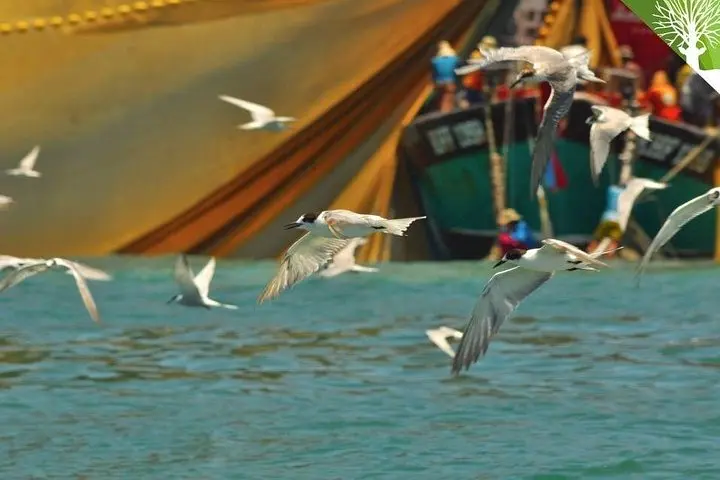
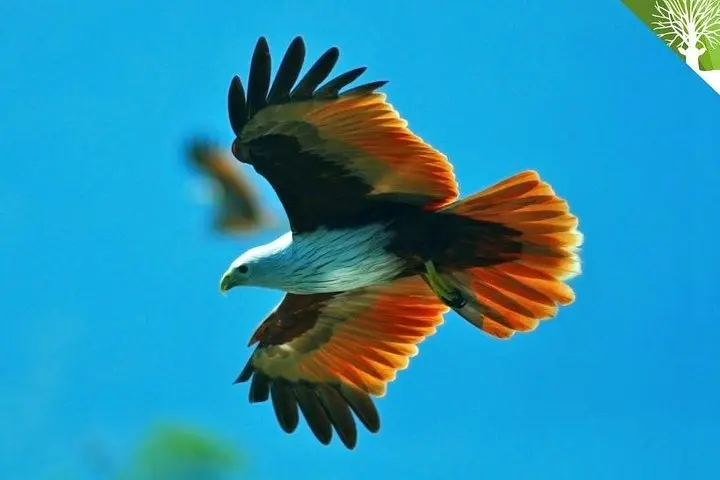
Expect close wildlife viewing—otters, brahminy kites, and occasional dolphin sightings—along with explanations of mangrove adaptations and the rare mudskipper that walks the exposed flats. Practicalities matter: the trip is a small-boat, guided circuit lasting about four hours with lunch and hotel transfers included. Wear sun protection, bring a light rain layer (tides and squalls change fast), and plan for low-boardings and short walks at calm sites.
For first-time visitors, mornings offer softer light and calmer water; late afternoon trips can produce more active bird behavior. The tour is an accessible, low-effort way to see a tidal forest up close and understand the fragile systems that hold this coastline together.
Frequently asked questions
The listed itinerary is about four hours including hotel pickup, boat time through the Kilim mangroves, a floating fish farm lunch stop, and returns.
Eagles are commonly seen near the river mouths and cliffs; bat cave visibility depends on tide and time of day but the cave is a regular stop on this route.
Yes—boats are stable and staff assist with boarding, but infants should be supervised and lifejackets are used as needed; the tour is not recommended for pregnant travelers per provider guidance.
Yes—lunch at the floating fish farm and hotel pickup/drop-off are included in the standard tour package.
About This Experience
JARA HOLIDAYS TRAVEL & TOURS SDN BHD operates guided outdoor trips and adventures with an emphasis on safety, stewardship, and memorable experiences.
Adventure tips
Recommended gear
- Light rain jacket: Protects against sudden tropical downpours and spray while on the boat.
- Binoculars: Helps you spot eagles, otters and distant birds among the canopy and cliffs.
- Waterproof camera or dry bag: Keeps electronics safe from spray and offers better photos in wet conditions.
- Non-slip shoes: Provides secure footing when boarding and during short onshore stops.
Photos of the experience

Related adventures & guides
Read the full experience
You push off a narrow jetty and the river takes hold, the mangrove canopy closing like a low green arch. The boat threads between limestone towers and tangled roots, the guide's quiet explanations punctuated by the slap of water and the distant cry of an eagle. Bat Cave appears as a dark mouth in the karst—at low tide your small craft slips close enough for faces to peer into shadowed chambers while tidal channels dare you to read their rhythm.
You push off a narrow jetty and the river takes hold, the mangrove canopy closing like a low green arch. The boat threads between limestone towers and tangled roots, the guide's quiet explanations punctuated by the slap of water and the distant cry of an eagle. Bat Cave appears as a dark mouth in the karst—at low tide your small craft slips close enough for faces to peer into shadowed chambers while tidal channels dare you to read their rhythm.
This stretch of the Kilim River sits inside Langkawi's geopark landscape, a place shaped over millions of years from coral, limestone and tectonic lift. Local fishermen and Malay settlements have worked these waters for generations; floating fish farms and stingray-feeding stations now share a modern economy with age-old boatcraft. Geology is visible everywhere: folded strata, cave mouths, cliffs that attract nesting raptors.
Expect close wildlife viewing—otters, brahminy kites, and occasional dolphin sightings—along with explanations of mangrove adaptations and the rare mudskipper that walks the exposed flats. Practicalities matter: the trip is a small-boat, guided circuit lasting about four hours with lunch and hotel transfers included. Wear sun protection, bring a light rain layer (tides and squalls change fast), and plan for low-boardings and short walks at calm sites.
For first-time visitors, mornings offer softer light and calmer water; late afternoon trips can produce more active bird behavior. The tour is an accessible, low-effort way to see a tidal forest up close and understand the fragile systems that hold this coastline together.
Make a day of it nearby.
Verified experiences and guided adventures in the surrounding area.