THE ADVENTURE COLLECTIVE® · Independent discovery and booking for outdoor travel

Spend three hours gliding the Kilim River to see mangrove wildlife, soaring eagles, dramatic limestone outcrops, a bat cave, and a floating fish farm where you can feed rays. This practical guide prepares you for the sights, logistics, and low-impact behavior to make the most of the tour.
Spend three hours gliding the Kilim River to see mangrove wildlife, soaring eagles, dramatic limestone outcrops, a bat cave, and a floating fish farm where you can feed rays. This practical guide prepares you for the sights, logistics, and low-impact behavior to make the most of the tour.
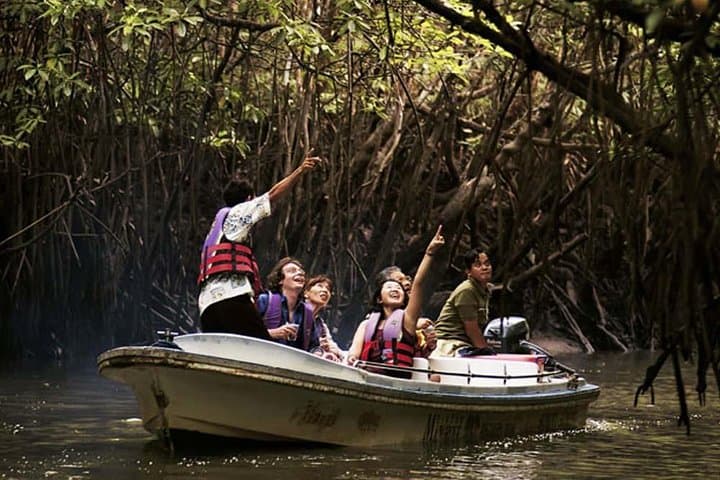
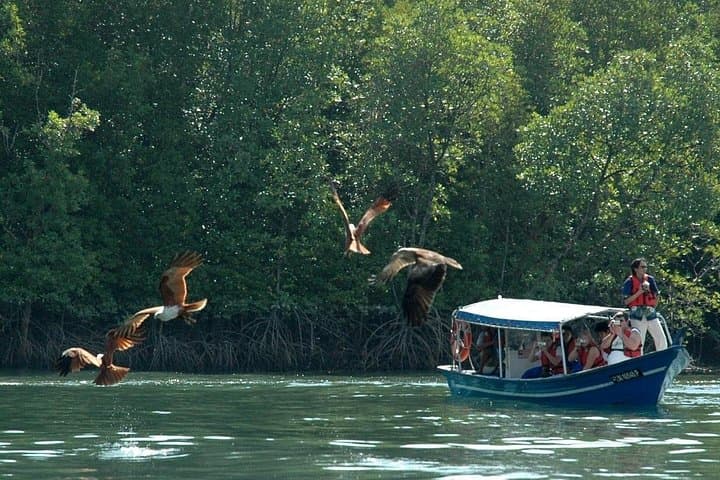
A low-slung wooden boat parts the tannin-dark water where aerial roots braid into a living fence; the mangroves seem to lean in, daring you to read the shoreline. In the quiet of the Kilim River the air is thick with salt and insect hum, and eagles appear like punctuation marks—diving, clawing, and soaring again.
Verified experiences and guided adventures in the surrounding area.
Operated by Asni Global · Kuah, Kedah
A low-slung wooden boat parts the tannin-dark water where aerial roots braid into a living fence; the mangroves seem to lean in, daring you to read the shoreline. In the quiet of the Kilim River the air is thick with salt and insect hum, and eagles appear like punctuation marks—diving, clawing, and soaring again.
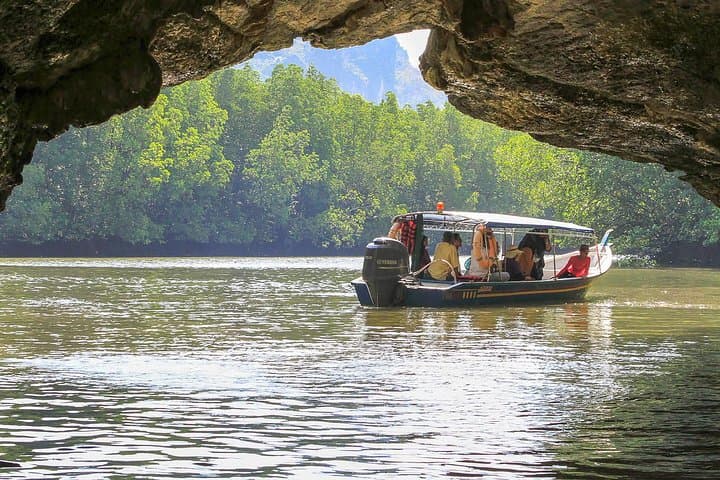
This three-hour circuit moves from sheltered river channels into coastal karst, where limestone outcrops and sea stacks rise from ancient coral reefs uplifted millions of years ago. Local communities have long used these waterways for fish farms and small-scale fisheries; your guide will point out mangrove-dependent species and explain how the karst landscape shaped local livelihoods and legends. The bat cave is a geological notch in that story—dark, echoing, and home to roosts that have influenced folklore along these coasts.
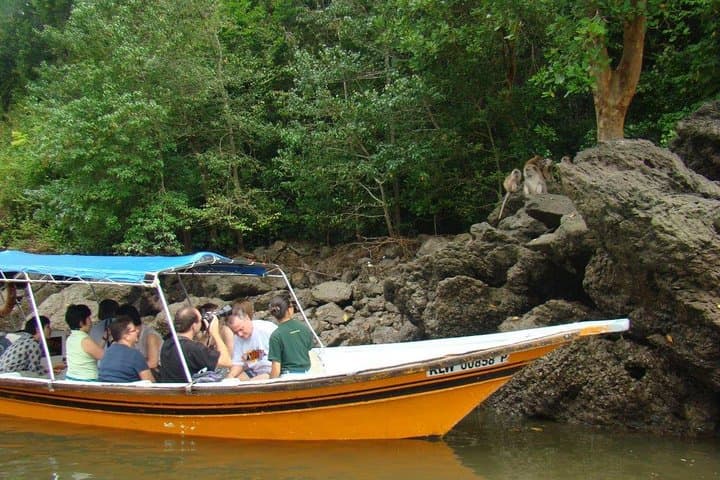
Expect calm, seated travel punctuated by short stops: eagle feeding, a walk near a bat cave entrance, and a visit to a floating fish farm where tame rays accept hand feeding. Terrain is water-based—no elevation gain—but bring balance and wrist-strength for small steps on and off the boat.
Practical notes: tours run about 2.5–3 hours and cover several kilometres of river and fringe coastline; morning trips give cooler light and better bird activity. Wear quick-dry clothing, reef-safe sunscreen, and insect repellent; secure cameras and phones against spray. The route is accessible to most fitness levels, but those prone to seasickness should take preventive measures. This is an encounter with living geology and a fragile ecosystem—observe, photograph, and leave no trace.
easy.
2.5–3 hours.
Suitable for most people who can sit for extended periods and step on/off a small boat; minimal mobility limitations may make boarding harder.
The activity lasts about 2.5–3 hours and typically includes hotel pickup (Cenang and Kuah), boat transfer through the Kilim mangroves, a bat cave stop, floating fish farm visit with ray feeding, and lunch.
Yes—infants must sit on an adult's lap; the operator marks the trip as suitable for all fitness levels, but parents should supervise at animal interaction stops.
Eagles and bats are common but sightings depend on timing and weather; eagle feeding demonstrations are often staged from the boat for predictable viewing.
Guides control feeding at fish farms and bird feeding to minimize harm; follow instructions, avoid touching wild animals, and do not feed wildlife outside supervised stops.
Kilim’s karst landscape formed from ancient coral reef uplift; coastal communities historically relied on mangrove fisheries and small-scale aquaculture that persist today.
Mangrove forests here are critical nursery habitat for coastal fisheries and buffer against erosion—tour operators emphasize no-litter policies and limited disturbance of wildlife.
Asni Global operates guided outdoor trips and adventures with an emphasis on safety, stewardship, and memorable experiences.
A low-slung wooden boat parts the tannin-dark water where aerial roots braid into a living fence; the mangroves seem to lean in, daring you to read the shoreline. In the quiet of the Kilim River the air is thick with salt and insect hum, and eagles appear like punctuation marks—diving, clawing, and soaring again.
A low-slung wooden boat parts the tannin-dark water where aerial roots braid into a living fence; the mangroves seem to lean in, daring you to read the shoreline. In the quiet of the Kilim River the air is thick with salt and insect hum, and eagles appear like punctuation marks—diving, clawing, and soaring again.
This three-hour circuit moves from sheltered river channels into coastal karst, where limestone outcrops and sea stacks rise from ancient coral reefs uplifted millions of years ago. Local communities have long used these waterways for fish farms and small-scale fisheries; your guide will point out mangrove-dependent species and explain how the karst landscape shaped local livelihoods and legends. The bat cave is a geological notch in that story—dark, echoing, and home to roosts that have influenced folklore along these coasts.
Expect calm, seated travel punctuated by short stops: eagle feeding, a walk near a bat cave entrance, and a visit to a floating fish farm where tame rays accept hand feeding. Terrain is water-based—no elevation gain—but bring balance and wrist-strength for small steps on and off the boat.
Practical notes: tours run about 2.5–3 hours and cover several kilometres of river and fringe coastline; morning trips give cooler light and better bird activity. Wear quick-dry clothing, reef-safe sunscreen, and insect repellent; secure cameras and phones against spray. The route is accessible to most fitness levels, but those prone to seasickness should take preventive measures. This is an encounter with living geology and a fragile ecosystem—observe, photograph, and leave no trace.