THE ADVENTURE COLLECTIVE® · Independent discovery and booking for outdoor travel

Spend a day cruising Langkawi’s iconic islands—swim on white sand, paddle in a freshwater lake, and watch sea eagles wheel and dive. This practical guide covers what you’ll see, what to pack, and how to make the most of an 8–9 hour island-hopping tour.
Spend a day cruising Langkawi’s iconic islands—swim on white sand, paddle in a freshwater lake, and watch sea eagles wheel and dive. This practical guide covers what you’ll see, what to pack, and how to make the most of an 8–9 hour island-hopping tour.
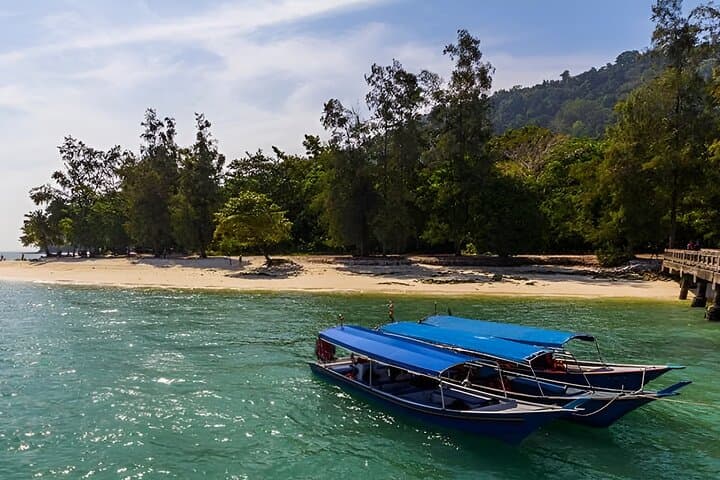
The morning boat slips away from the jetty and the sea immediately takes the lead—blue water pushing the hull forward, island karsts rising like ancient rocks sharpened by wind and tide. Passengers trade city air for salt spray and the low hum of the engine; palms lean away as the boat threads between limestone outcrops toward white sand and freshwater surprises.
Verified experiences and guided adventures in the surrounding area.
Operated by GlobalTix Pte Ltd · Langkawi, Kedah
The morning boat slips away from the jetty and the sea immediately takes the lead—blue water pushing the hull forward, island karsts rising like ancient rocks sharpened by wind and tide. Passengers trade city air for salt spray and the low hum of the engine; palms lean away as the boat threads between limestone outcrops toward white sand and freshwater surprises.
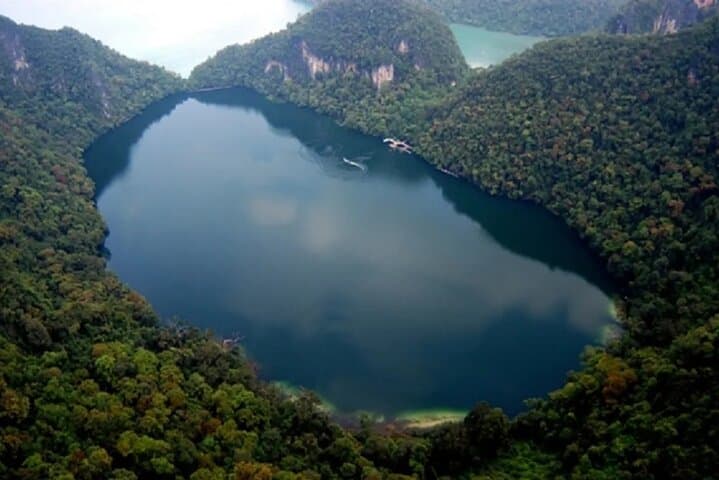
Langkawi’s islands are young in geological terms: limestone and sandstone folded and eroded into sheer cliffs, caves and coves. Dayang Bunting’s freshwater lake sits in a karst basin on a saltwater island, a curiosity linked to the archipelago’s tectonic past. Local culture on Langkawi mixes Malay village life, fishing traditions and growing tourism—guides often point out eagle-feeding spots where fishermen and birds have shared the hunt for generations.
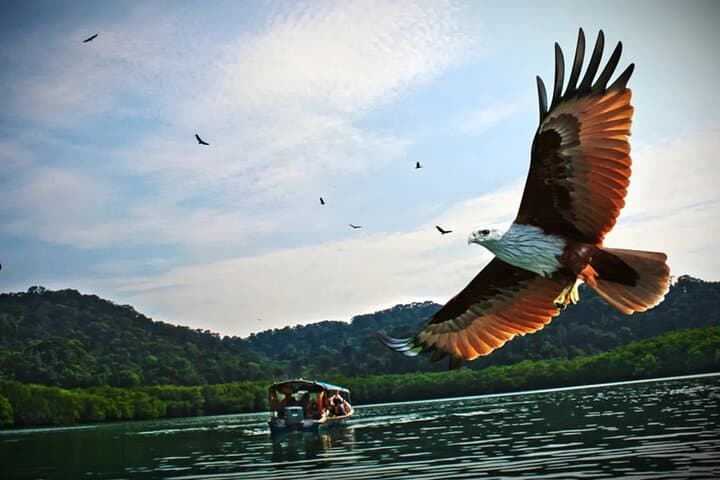
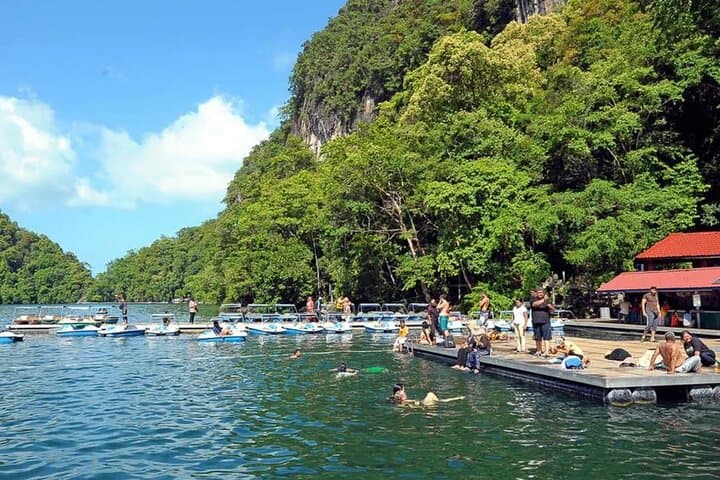
On a typical island-hopping day you’ll visit Beras Basah for sun and swim, Dayang Bunting to walk a short wooden trail to the lake, and cruise past Singa Besar to watch sea eagles swoop. Wildlife is visible from the boat as much as on land—seabirds, monitor lizards and the occasional macaque.
Practical guidance: wear reef-safe sunscreen and quick-dry layers, bring cash for optional water sports, and expect transfers to run on local time—tours operate subject to sea and weather conditions. If seas are choppy, motion-sickness remedies are wise; life jackets are provided but dress for wet sand and sun. Aim for early departures to catch calmer seas and brighter snorkeling conditions; treat the islands respectfully and pack out any trash to protect coral and shorebirds.
easy.
8–9 hours.
Suitable for most fitness levels—requires short walks on uneven beach/boardwalk surfaces and basic boat boarding ability.
Island-hopping tours usually leave from Langkawi’s main jetties near Kuah or Pantai Cenang; your booking will confirm the exact meeting point and pickup window.
Light snorkeling is often available near shore at certain stops—equipment may be optional or included depending on the operator, so check before you go.
Yes—this tour is marketed as suitable for most ages, but infants must be accompanied and those with limited mobility may find boarding and short walks challenging.
Boat schedules are subject to sea conditions; operators can alter the itinerary or cancel for safety—confirm cancellation policy when booking and consider travel insurance.
Langkawi has a Malay maritime history tied to fishing and trade; the islands’ geology made them natural stopovers for seafarers and local legends such as the island’s name and folk tales are woven into village life.
Coral reefs and mangroves around Langkawi are sensitive to boat traffic and anchor damage—stick to marked snorkeling areas, use reef-safe products, and pack out waste to reduce impact.
GlobalTix Pte Ltd operates guided outdoor trips and adventures with an emphasis on safety, stewardship, and memorable experiences.
The morning boat slips away from the jetty and the sea immediately takes the lead—blue water pushing the hull forward, island karsts rising like ancient rocks sharpened by wind and tide. Passengers trade city air for salt spray and the low hum of the engine; palms lean away as the boat threads between limestone outcrops toward white sand and freshwater surprises.
The morning boat slips away from the jetty and the sea immediately takes the lead—blue water pushing the hull forward, island karsts rising like ancient rocks sharpened by wind and tide. Passengers trade city air for salt spray and the low hum of the engine; palms lean away as the boat threads between limestone outcrops toward white sand and freshwater surprises.
Langkawi’s islands are young in geological terms: limestone and sandstone folded and eroded into sheer cliffs, caves and coves. Dayang Bunting’s freshwater lake sits in a karst basin on a saltwater island, a curiosity linked to the archipelago’s tectonic past. Local culture on Langkawi mixes Malay village life, fishing traditions and growing tourism—guides often point out eagle-feeding spots where fishermen and birds have shared the hunt for generations.
On a typical island-hopping day you’ll visit Beras Basah for sun and swim, Dayang Bunting to walk a short wooden trail to the lake, and cruise past Singa Besar to watch sea eagles swoop. Wildlife is visible from the boat as much as on land—seabirds, monitor lizards and the occasional macaque.
Practical guidance: wear reef-safe sunscreen and quick-dry layers, bring cash for optional water sports, and expect transfers to run on local time—tours operate subject to sea and weather conditions. If seas are choppy, motion-sickness remedies are wise; life jackets are provided but dress for wet sand and sun. Aim for early departures to catch calmer seas and brighter snorkeling conditions; treat the islands respectfully and pack out any trash to protect coral and shorebirds.