THE ADVENTURE COLLECTIVE® · Independent discovery and booking for outdoor travel

Spend an afternoon tracing Langkawi’s birdlife from village ponds and paddy fields to the island’s highest forested ridge. This guided tour prioritizes quiet observation, native habitats, and hornbill sightings without baiting or calls.
Spend an afternoon tracing Langkawi’s birdlife from village ponds and paddy fields to the island’s highest forested ridge. This guided tour prioritizes quiet observation, native habitats, and hornbill sightings without baiting or calls.
You step out of the van into a low, humid air that tastes of wet earth and rice stalks. A village pond mirrors the sky; a trio of Lesser Whistling-Ducks slip across the surface while an Egret stalks the shallows. Later, the trail narrows into rainforest shade as the canopy tightens on the approach to Langkawi’s highest ridge—an elevated theatre for Great and Wreathed Hornbills that move like shadows between emergent trees.
Verified experiences and guided adventures in the surrounding area.
Operated by JungleWalla Tours · Kuah, Kedah
You step out of the van into a low, humid air that tastes of wet earth and rice stalks. A village pond mirrors the sky; a trio of Lesser Whistling-Ducks slip across the surface while an Egret stalks the shallows. Later, the trail narrows into rainforest shade as the canopy tightens on the approach to Langkawi’s highest ridge—an elevated theatre for Great and Wreathed Hornbills that move like shadows between emergent trees.
Langkawi’s islands are geologically old, sculpted by ancient marine and tectonic forces that left limestone outcrops and rainforest-clad hills. Culturally, the landscape still belongs to small fishing and paddy communities where day rhythms are set by tides and harvests; birdlife has adapted to the edges those livelihoods create. The tour links these microhabitats—pond, paddy, and montane forest—giving a concentrated view of the island’s avifauna and how local people interact with it.
Expect patient, low-impact observation guided by a local English-speaking naturalist; binoculars are provided but bringing your own improves identification and photography. Plan for humid conditions, short uneven walks, and frequent stops for scanning and listening. Best light is late afternoon when understory birds become active and hornbills move to roost.
Practical: wear earth-toned long sleeves and pants, sturdy walking shoes, insect repellent, and a hat; bring water and a compact field guide or ID app. The operator follows BirdLife International best practices—no baiting or distress calls—so sightings depend on habitat, season, and quiet observation.
moderate.
4 hours.
Moderate fitness: short uneven trails and some standing/spotting on inclines; comfortable for regular walkers
Yes—return transfers from hotels across Langkawi are included in the tour price.
There’s a good chance for Great and Wreathed Hornbills at higher forested sites, though sightings depend on season and forest activity—guides optimize locations for the best chance.
The tour suits older children used to quiet observation and short walks; it’s not recommended for those with serious back or heart issues.
Binoculars are provided, but bringing your own offers better views and faster identification, especially for photographers.
Langkawi’s landscape bears remnants of ancient marine sedimentation and tectonic uplift; the island’s karst and forested hills have supported human settlement and rice cultivation for centuries.
Guides adhere to BirdLife International best-practice guidelines—no baiting or playback—to minimize disturbance; visitors are encouraged to stick to paths and avoid litter to protect fragile wetland and forest habitats.
JungleWalla Tours operates guided outdoor trips and adventures with an emphasis on safety, stewardship, and memorable experiences.

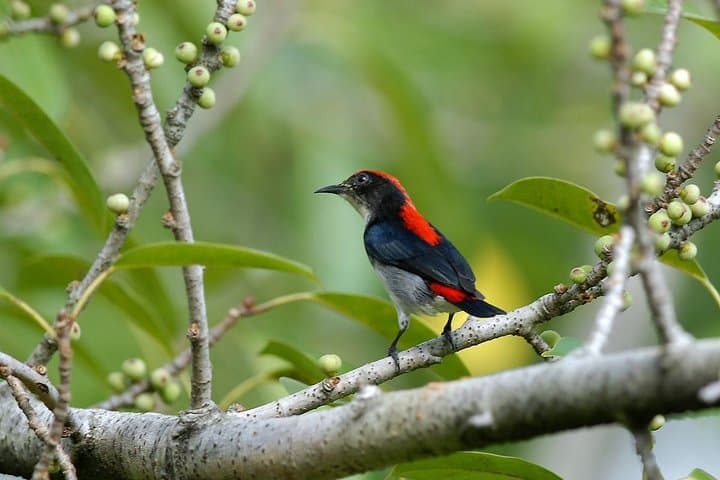


You step out of the van into a low, humid air that tastes of wet earth and rice stalks. A village pond mirrors the sky; a trio of Lesser Whistling-Ducks slip across the surface while an Egret stalks the shallows. Later, the trail narrows into rainforest shade as the canopy tightens on the approach to Langkawi’s highest ridge—an elevated theatre for Great and Wreathed Hornbills that move like shadows between emergent trees.
You step out of the van into a low, humid air that tastes of wet earth and rice stalks. A village pond mirrors the sky; a trio of Lesser Whistling-Ducks slip across the surface while an Egret stalks the shallows. Later, the trail narrows into rainforest shade as the canopy tightens on the approach to Langkawi’s highest ridge—an elevated theatre for Great and Wreathed Hornbills that move like shadows between emergent trees.
Langkawi’s islands are geologically old, sculpted by ancient marine and tectonic forces that left limestone outcrops and rainforest-clad hills. Culturally, the landscape still belongs to small fishing and paddy communities where day rhythms are set by tides and harvests; birdlife has adapted to the edges those livelihoods create. The tour links these microhabitats—pond, paddy, and montane forest—giving a concentrated view of the island’s avifauna and how local people interact with it.
Expect patient, low-impact observation guided by a local English-speaking naturalist; binoculars are provided but bringing your own improves identification and photography. Plan for humid conditions, short uneven walks, and frequent stops for scanning and listening. Best light is late afternoon when understory birds become active and hornbills move to roost.
Practical: wear earth-toned long sleeves and pants, sturdy walking shoes, insect repellent, and a hat; bring water and a compact field guide or ID app. The operator follows BirdLife International best practices—no baiting or distress calls—so sightings depend on habitat, season, and quiet observation.