THE ADVENTURE COLLECTIVE® · Independent discovery and booking for outdoor travel

Join a third‑generation "trifolao" and his trained dogs for a two‑hour truffle hunt in the Langhe hills above Alba. Learn traditional techniques, see how dogs are trained, and discover what makes white and black truffles unique.
Join a third‑generation "trifolao" and his trained dogs for a two‑hour truffle hunt in the Langhe hills above Alba. Learn traditional techniques, see how dogs are trained, and discover what makes white and black truffles unique.
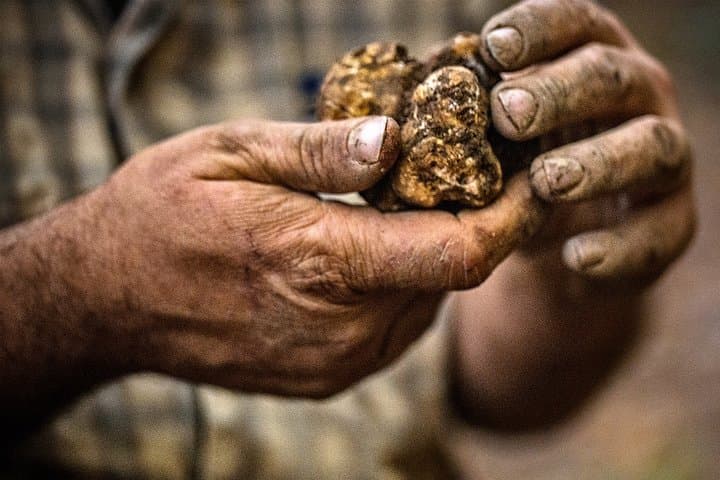
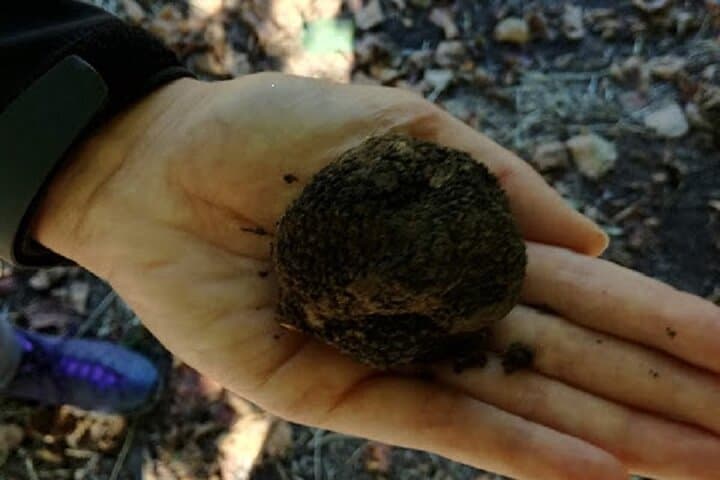
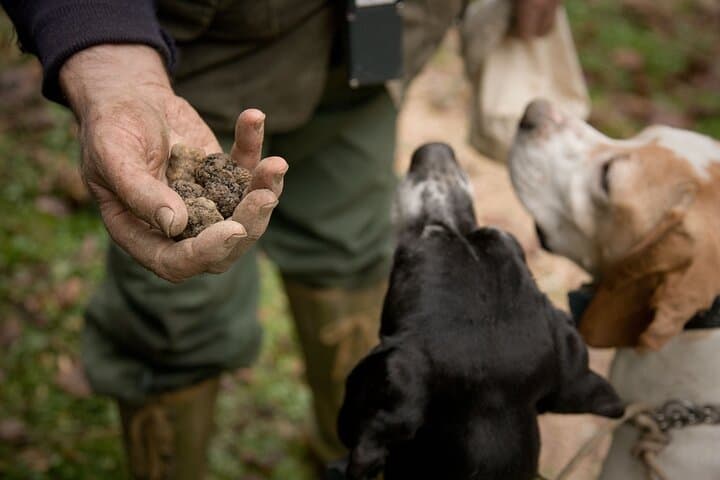
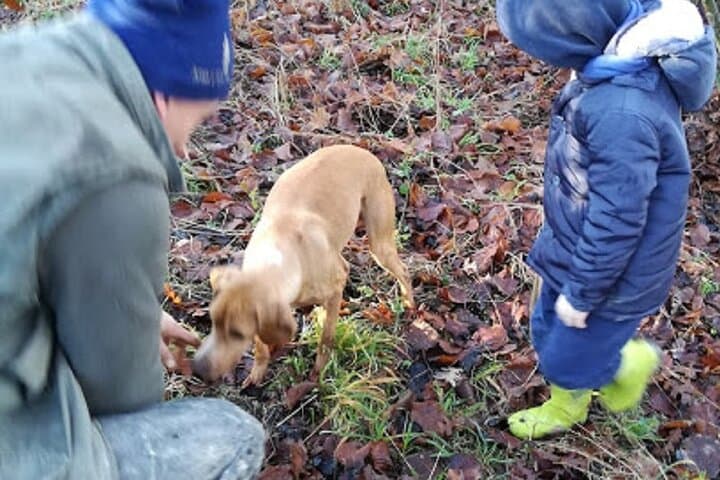
Dawn breaks over the Langhe hills and the air fills with damp earth and promises. You meet your guide in Alba, step into a small car and drive ten minutes up a crooked lane where the woods begin; a dog’s eager tail and a practiced whisper are all the signal you need. The hunt is quiet work—scent, patience, and the dog’s practiced insistence guiding you toward something that doesn’t want to be found.
Verified experiences and guided adventures in the surrounding area.
Operated by albaway sas di Maria Margherita Airale · Alba, Piedmont
Dawn breaks over the Langhe hills and the air fills with damp earth and promises. You meet your guide in Alba, step into a small car and drive ten minutes up a crooked lane where the woods begin; a dog’s eager tail and a practiced whisper are all the signal you need. The hunt is quiet work—scent, patience, and the dog’s practiced insistence guiding you toward something that doesn’t want to be found.
Truffle hunting here is a living craft. Alba’s white truffle trade surged after World War II as families like this guide’s passed techniques down through generations: reading oak roots, understanding soil clay content, and timing searches with the season’s moisture. Geologically, the Langhe’s calcareous clay soils and mixed beech and oak stands create the right microhabitats for Tuber species. Culturally, truffles shape menus, markets, and annual fairs in Alba; the hunt you join threads into that local economy.
Practically, expect two hours on uneven forest floor, short bursts of walking and crouching. Dogs do the heavy sensory work; you learn how they’re trained and what signs to watch for. Truffles found belong to the hunter and can be purchased afterward. Wear boots and layers; bring cash for purchases and a small bag for any truffle you buy. Photography is welcome but keep movements slow to avoid spooking the dogs.
This experience is as much about observation—how the land smells, how a dog insists—as it is about the prize. For travelers who want hands-on connection to a regional food tradition, it’s compact, instructive, and unmistakably local.
easy.
2 hours.
Low fitness required — short walks with occasional crouching; suitable for most adults and older children.
Yes — the meeting point is in Alba but the hunting spot is reached by a short drive; you can follow the guide in your car or request a hired transfer in advance.
Truffles found during the hunt belong to the hunter; you will have the opportunity to buy them directly from the guide after the outing.
Yes — the experience is family-friendly but supervise children near dogs and uneven terrain; confirm age bands with the operator when booking.
Tours may be cancelled in heavy rain; operators provide raincoats and boots and require 24‑hour cancellation for a full refund per policy.
Truffle hunting in the Alba area expanded after WWII and many local families kept trade secrets within generations; the term 'trifolao' refers to traditional truffle hunters.
Responsible hunters protect truffle grounds and avoid over‑excavation; using trained dogs minimizes damage and supports sustainable harvests.
albaway sas di Maria Margherita Airale operates guided outdoor trips and adventures with an emphasis on safety, stewardship, and memorable experiences.
Dawn breaks over the Langhe hills and the air fills with damp earth and promises. You meet your guide in Alba, step into a small car and drive ten minutes up a crooked lane where the woods begin; a dog’s eager tail and a practiced whisper are all the signal you need. The hunt is quiet work—scent, patience, and the dog’s practiced insistence guiding you toward something that doesn’t want to be found.
Dawn breaks over the Langhe hills and the air fills with damp earth and promises. You meet your guide in Alba, step into a small car and drive ten minutes up a crooked lane where the woods begin; a dog’s eager tail and a practiced whisper are all the signal you need. The hunt is quiet work—scent, patience, and the dog’s practiced insistence guiding you toward something that doesn’t want to be found.
Truffle hunting here is a living craft. Alba’s white truffle trade surged after World War II as families like this guide’s passed techniques down through generations: reading oak roots, understanding soil clay content, and timing searches with the season’s moisture. Geologically, the Langhe’s calcareous clay soils and mixed beech and oak stands create the right microhabitats for Tuber species. Culturally, truffles shape menus, markets, and annual fairs in Alba; the hunt you join threads into that local economy.
Practically, expect two hours on uneven forest floor, short bursts of walking and crouching. Dogs do the heavy sensory work; you learn how they’re trained and what signs to watch for. Truffles found belong to the hunter and can be purchased afterward. Wear boots and layers; bring cash for purchases and a small bag for any truffle you buy. Photography is welcome but keep movements slow to avoid spooking the dogs.
This experience is as much about observation—how the land smells, how a dog insists—as it is about the prize. For travelers who want hands-on connection to a regional food tradition, it’s compact, instructive, and unmistakably local.