THE ADVENTURE COLLECTIVE® · Independent discovery and booking for outdoor travel

Explore Langa Township on a guided 4‑hour walk that pairs apartheid history with contemporary culture. Visit the Dompas Museum, Langa old flats, and Guga S’Thebe Arts Centre while learning from local guides and community projects.
Explore Langa Township on a guided 4‑hour walk that pairs apartheid history with contemporary culture. Visit the Dompas Museum, Langa old flats, and Guga S’Thebe Arts Centre while learning from local guides and community projects.
You step from the air-conditioned van into sunlight and the sounds of Langa: vendors calling, children playing, and murals drawing your eye down narrow lanes.
Verified experiences and guided adventures in the surrounding area.
Operated by Township Tours Imivuyo · Cape Town, Western Cape
You step from the air-conditioned van into sunlight and the sounds of Langa: vendors calling, children playing, and murals drawing your eye down narrow lanes.
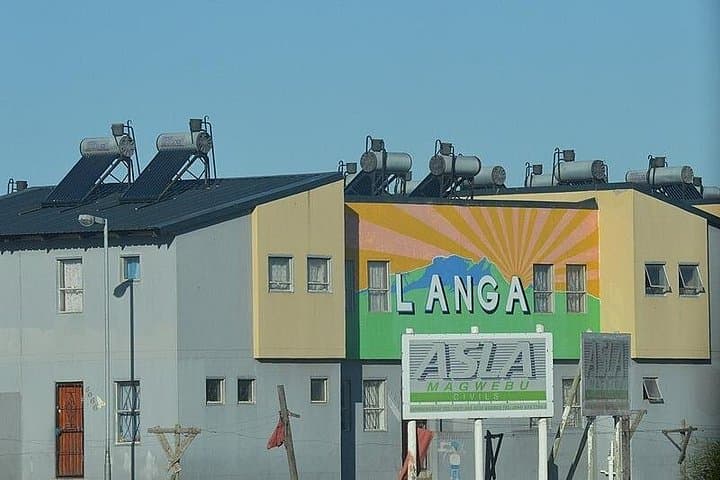
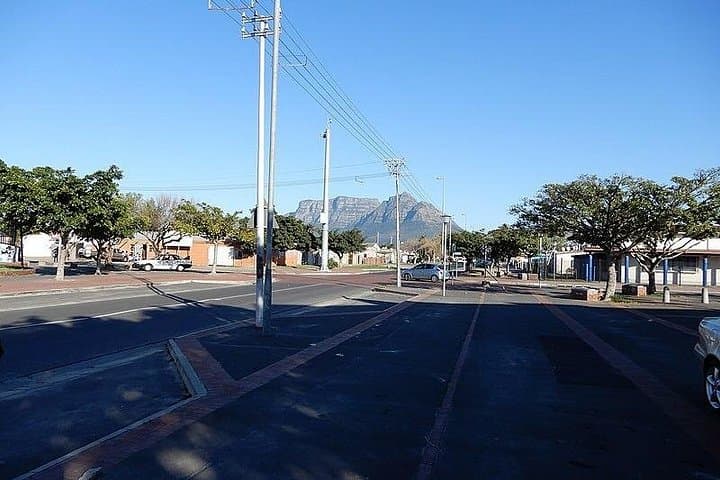
The walk moves at a human pace—past the old Langa flats, the weathered Dompas building, and into the Guga S’Thebe Arts Centre where rhythm and pottery meet. Langa is Cape Town’s oldest township; its streets map decades of migration, constrained urban planning from apartheid, and the grassroots cultural response that followed. The surrounding landscape is Cape Flats—flat, sandy plains shaped by wind and ancient rivers rather than steep mountain geology, which contrasts with the nearby Table Mountain skyline.
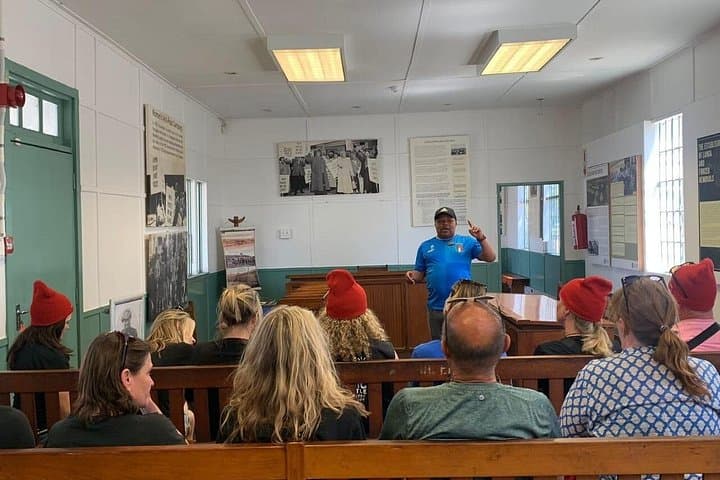
Along the way guides explain the Dompas (passbook) system and point out single-sex hostels converted into family homes, making the political history tangible. At Guga S’Thebe you’ll see community arts projects, hear about local entrepreneurship programs, and may find stalls selling traditional dishes and crafts.
Practicalities: tours run about four hours, include entrance fees and air-conditioned transport, and accommodate wheelchairs. Expect mostly paved and compacted surfaces with some uneven pathways; comfortable walking shoes and sun protection are wise. Groups can be large, so bring curiosity and patience—this is as much about listening to local perspectives as ticking off sights.
The tour rewards people who want context and connection: history, living culture, and the everyday resilience of a community that turned adversity into artistic and social energy.
easy.
3–4 hours.
Suitable for most fitness levels—participants should be able to walk steadily for up to three hours with short stops.
The full experience runs about four hours, with approximately three hours spent walking in Langa and time allocated for transport and visits to cultural sites.
Yes—the tour notes state wheelchair access for transportation and surfaces, but contact the operator ahead of time to confirm specific mobility needs.
Yes; the tour price includes entrance fees and air-conditioned transport as described in the itinerary.
Yes; there are local stalls and an arts-and-crafts shop at Guga S’Thebe where you can buy handmade items and sample local dishes—small cash payments are often preferred.
Langa was established in 1927 and became a focal point for labour migration and apartheid-era control measures; many buildings, like the Dompas offices, now serve as historical sites and community centers.
Support community-run cultural centers and local entrepreneurs; avoid littering and follow guide instructions to minimize impact on private properties and public spaces.
Township Tours Imivuyo operates guided outdoor trips and adventures with an emphasis on safety, stewardship, and memorable experiences.

You step from the air-conditioned van into sunlight and the sounds of Langa: vendors calling, children playing, and murals drawing your eye down narrow lanes.
You step from the air-conditioned van into sunlight and the sounds of Langa: vendors calling, children playing, and murals drawing your eye down narrow lanes.
The walk moves at a human pace—past the old Langa flats, the weathered Dompas building, and into the Guga S’Thebe Arts Centre where rhythm and pottery meet. Langa is Cape Town’s oldest township; its streets map decades of migration, constrained urban planning from apartheid, and the grassroots cultural response that followed. The surrounding landscape is Cape Flats—flat, sandy plains shaped by wind and ancient rivers rather than steep mountain geology, which contrasts with the nearby Table Mountain skyline.
Along the way guides explain the Dompas (passbook) system and point out single-sex hostels converted into family homes, making the political history tangible. At Guga S’Thebe you’ll see community arts projects, hear about local entrepreneurship programs, and may find stalls selling traditional dishes and crafts.
Practicalities: tours run about four hours, include entrance fees and air-conditioned transport, and accommodate wheelchairs. Expect mostly paved and compacted surfaces with some uneven pathways; comfortable walking shoes and sun protection are wise. Groups can be large, so bring curiosity and patience—this is as much about listening to local perspectives as ticking off sights.
The tour rewards people who want context and connection: history, living culture, and the everyday resilience of a community that turned adversity into artistic and social energy.