THE ADVENTURE COLLECTIVE® · Independent discovery and booking for outdoor travel

Trade water for pavement on a DonkBoard: a 60-minute land paddling session that delivers a full-body workout and mindful rhythm on urban trails. Ideal for beginners and fitness seekers, the tour supplies boards and helmets while guiding you through technique and rolling routes.
Trade water for pavement on a DonkBoard: a 60-minute land paddling session that delivers a full-body workout and mindful rhythm on urban trails. Ideal for beginners and fitness seekers, the tour supplies boards and helmets while guiding you through technique and rolling routes.
The group gathers on a quiet street as the guide straps helmets and hands out DonkBoards — oversized skateboards built for paddling on pavement. You feel the rhythm in your shoulders and core before your wheels even start rolling: a steady push-pull that mimics stand-up paddling but trades water for asphalt, tree-lined bike lanes, and the occasional hill that asks more of your legs than you expected.
Verified experiences and guided adventures in the surrounding area.
Operated by DonkBoard · Austin, Texas
The group gathers on a quiet street as the guide straps helmets and hands out DonkBoards — oversized skateboards built for paddling on pavement. You feel the rhythm in your shoulders and core before your wheels even start rolling: a steady push-pull that mimics stand-up paddling but trades water for asphalt, tree-lined bike lanes, and the occasional hill that asks more of your legs than you expected.
Land paddling evolved from surf and skate cultures, translating SUP technique to dry terrain. In Texas cities, the activity sits comfortably between urban recreation and the state’s broader outdoor fitness scene; the limestone hill country and flat river plains shaped local paths and greenways where tours often run. Guides pair basic balance and boarding drills with simple route-side coaching, and the experience blends low-impact cardio with mobility work.
Expect a 60-minute session that starts with a warm-up, technique practice, and guided rolling along multiuse trails. Instructors provide boards, land paddles, and helmets; bring closed-toe shoes and a filled water bottle. The activity suits beginners through fit recreational athletes but is not recommended for those with spinal, heart, or pregnancy concerns. Public transit often reaches nearby trailheads; arrive 10–15 minutes early for sizing and safety briefing.
Practical tips: stay hydrated, keep knees slightly bent over rough pavement, and use mornings or late afternoons to avoid heat. Bring a phone in a secure pocket for photos; guides often shoot video. Land paddling is simple to learn but efficient enough to leave both your muscles and your mind pleasantly engaged.
easy.
1 hour.
Suitable for most fitness levels; requires basic balance and light-to-moderate stamina for continuous paddling
No—this tour is designed for beginners and includes instruction on boarding, paddling technique, and safe stopping.
Not recommended for pregnant guests or those with spinal or serious heart conditions; booking questions ask height and weight to ensure proper board fit.
Yes—DonkBoard, land paddle, and helmet are supplied as part of the tour.
For a full refund cancel at least 24 hours before the scheduled start; tours may be canceled due to bad weather.
Land paddling borrows techniques from stand-up paddleboarding and skate culture; in urban Texas it grew as a dry-land variation for SUP enthusiasts and commuters.
Stick to designated paths and avoid soft shoulders to protect riparian plants; many trail systems rely on volunteer maintenance—pack out trash and respect multiuse etiquette.
DonkBoard operates guided outdoor trips and adventures with an emphasis on safety, stewardship, and memorable experiences.
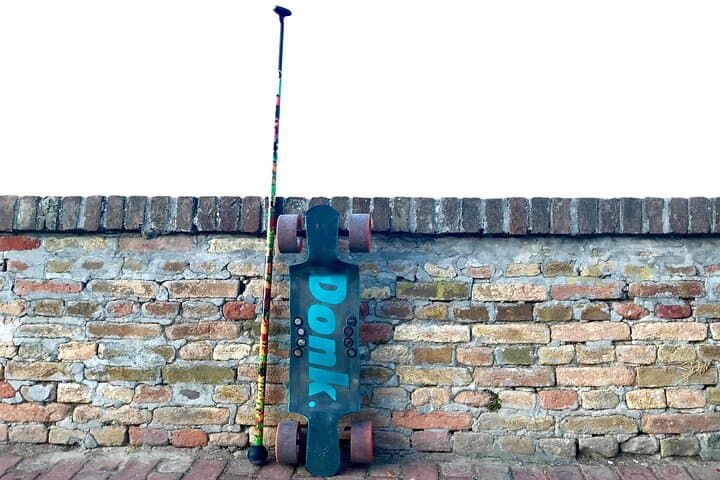
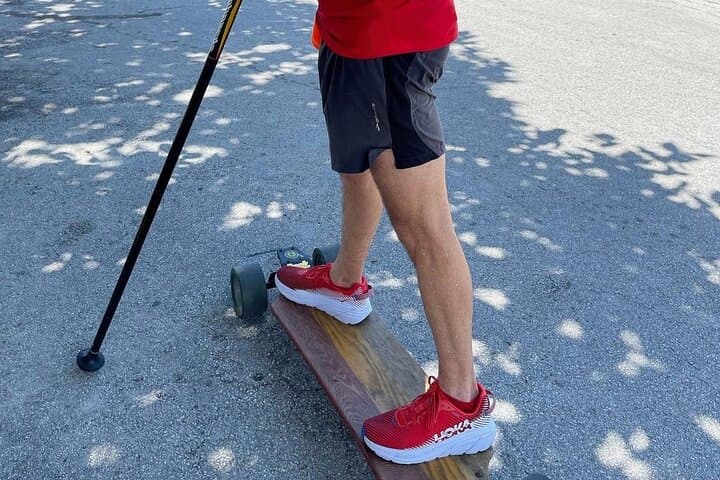
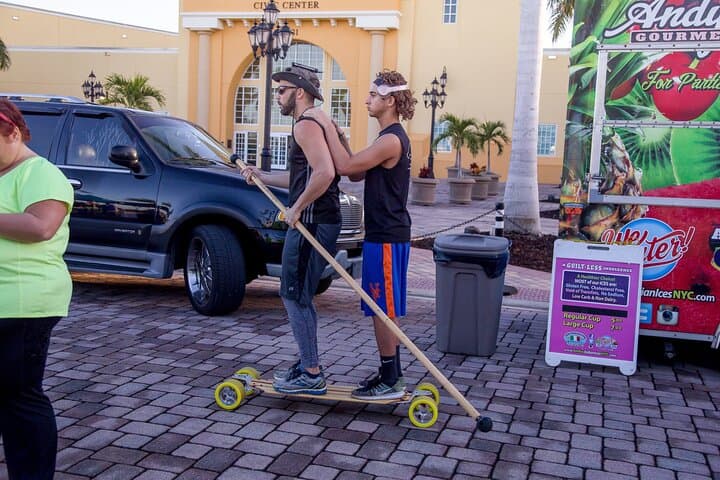
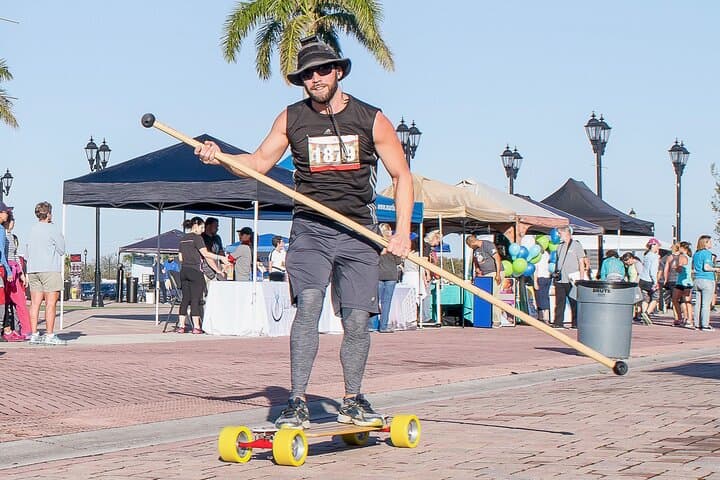
The group gathers on a quiet street as the guide straps helmets and hands out DonkBoards — oversized skateboards built for paddling on pavement. You feel the rhythm in your shoulders and core before your wheels even start rolling: a steady push-pull that mimics stand-up paddling but trades water for asphalt, tree-lined bike lanes, and the occasional hill that asks more of your legs than you expected.
The group gathers on a quiet street as the guide straps helmets and hands out DonkBoards — oversized skateboards built for paddling on pavement. You feel the rhythm in your shoulders and core before your wheels even start rolling: a steady push-pull that mimics stand-up paddling but trades water for asphalt, tree-lined bike lanes, and the occasional hill that asks more of your legs than you expected.
Land paddling evolved from surf and skate cultures, translating SUP technique to dry terrain. In Texas cities, the activity sits comfortably between urban recreation and the state’s broader outdoor fitness scene; the limestone hill country and flat river plains shaped local paths and greenways where tours often run. Guides pair basic balance and boarding drills with simple route-side coaching, and the experience blends low-impact cardio with mobility work.
Expect a 60-minute session that starts with a warm-up, technique practice, and guided rolling along multiuse trails. Instructors provide boards, land paddles, and helmets; bring closed-toe shoes and a filled water bottle. The activity suits beginners through fit recreational athletes but is not recommended for those with spinal, heart, or pregnancy concerns. Public transit often reaches nearby trailheads; arrive 10–15 minutes early for sizing and safety briefing.
Practical tips: stay hydrated, keep knees slightly bent over rough pavement, and use mornings or late afternoons to avoid heat. Bring a phone in a secure pocket for photos; guides often shoot video. Land paddling is simple to learn but efficient enough to leave both your muscles and your mind pleasantly engaged.