THE ADVENTURE COLLECTIVE® · Independent discovery and booking for outdoor travel

Experience Southern Right Whales from shore along Hermanus’s famous Cliff Path. This full-day land-based tour combines a scenic drive from Cape Town with guided viewing, coastal stops and local insights into Walker Bay’s marine life.
Experience Southern Right Whales from shore along Hermanus’s famous Cliff Path. This full-day land-based tour combines a scenic drive from Cape Town with guided viewing, coastal stops and local insights into Walker Bay’s marine life.
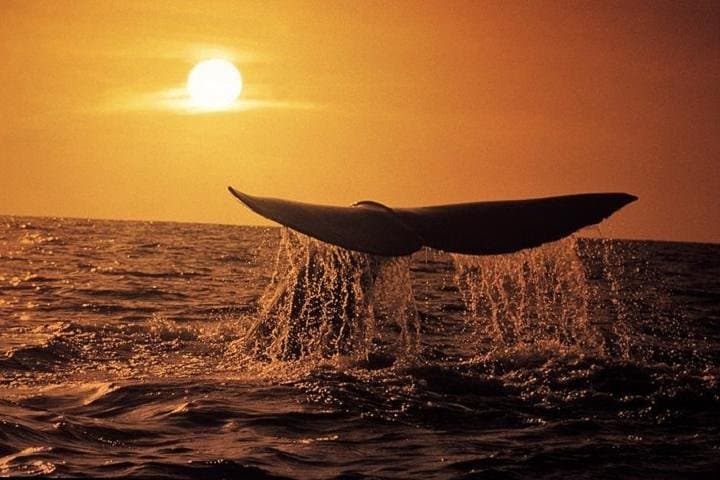
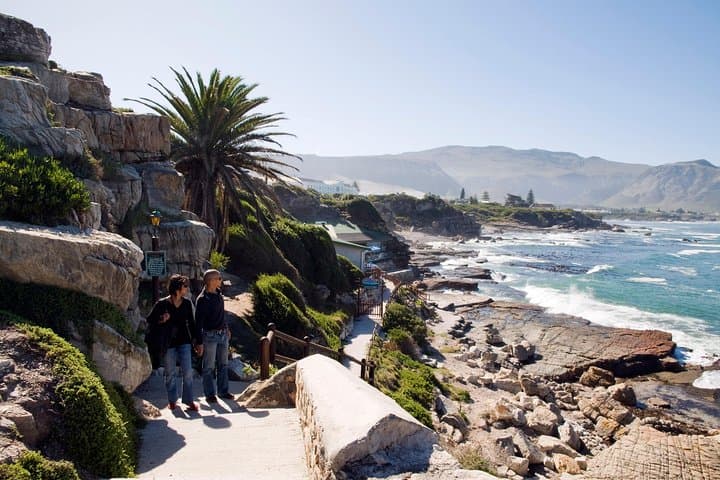
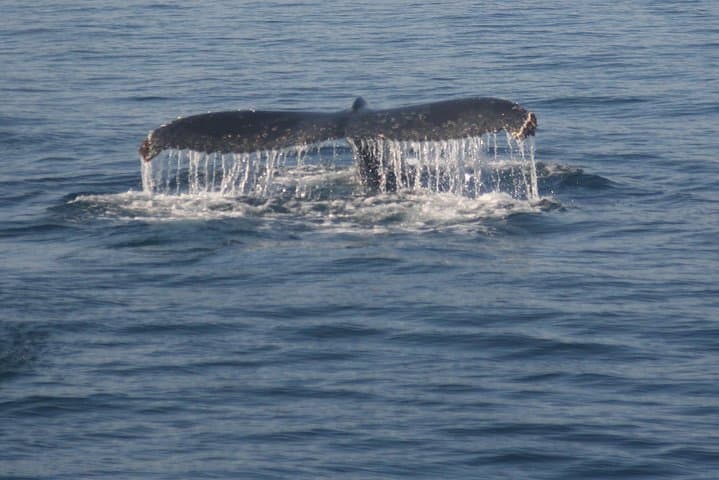
You start the morning on the cliff path above Walker Bay, wind pushing at your jacket and the ocean daring you to look closer. Waves roll against dark coastal rock while spouts and white backs puncture the horizon; Southern Right Whales move with slow, deliberate power as calves ride the warm inshore waters.
Verified experiences and guided adventures in the surrounding area.
Operated by Mile by Mile Tours · Hermanus, Western Cape
You start the morning on the cliff path above Walker Bay, wind pushing at your jacket and the ocean daring you to look closer. Waves roll against dark coastal rock while spouts and white backs puncture the horizon; Southern Right Whales move with slow, deliberate power as calves ride the warm inshore waters.
Hermanus grew from a small fishing village into one of the world’s foremost shore-based whale watching sites. The cliffs that frame the bay are cut from Cape Fold Belt rock and hard sandstone, offering raised vantage points where whales come within meters of the shore during the June–November migration. The town’s identity is tied to the sea — local guides, small-scale fisheries and conservation efforts mesh with tourism to protect the marine environment.
Expect an easy, largely flat walk along the Cliff Path (roughly 10 km end-to-end if you follow it through town), interspersed with lookout platforms, picnic spots and rocky coves. A typical full-day land-based trip from Cape Town runs about nine hours, including a scenic drive over Sir Lowry’s Pass; the itinerary may include stops to see African penguin colonies and coastal viewpoints.
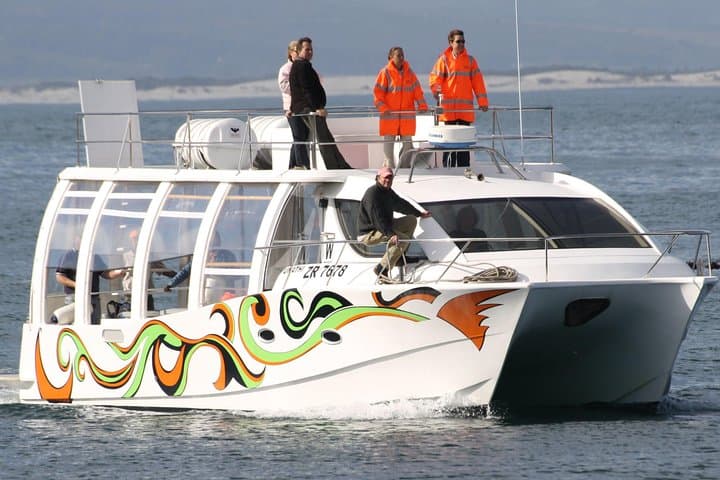
Practical notes: visit mid-winter to spring (June–November) for the best whale activity, bring binoculars and warm, windproof layers, and time visits for calmer days to improve visibility. Follow local guidance on viewing distances and stay on marked paths — these measures protect both visitors and the whales. If you want a closer look, boat trips are available locally for an extra fee.
easy.
9 hours.
Suitable for most fitness levels; involves short walks and standing on uneven cliff paths.
The peak shore-based season runs June through November, with highest calf activity in late winter to spring.
No — sightings cannot be guaranteed. Hermanus has excellent odds during migration, but weather and whale movements vary.
Large sections are flat and stroller-friendly, but some lookout points have steps or uneven rock; check specific sections in advance.
Yes—local operators offer boat-based whale watching for a closer view, typically at an additional cost and subject to weather and permit rules.
Hermanus transformed from a 19th-century fishing community into a shore-watching pioneer as Southern Right Whales began returning annually; local catch-and-watch practices evolved into organized conservation and tourism.
Walker Bay sits adjacent to marine-protected zones and local groups enforce viewing guidelines; visitors should avoid disturbing animals and stick to marked paths to minimize impact.
Mile by Mile Tours operates guided outdoor trips and adventures with an emphasis on safety, stewardship, and memorable experiences.
You start the morning on the cliff path above Walker Bay, wind pushing at your jacket and the ocean daring you to look closer. Waves roll against dark coastal rock while spouts and white backs puncture the horizon; Southern Right Whales move with slow, deliberate power as calves ride the warm inshore waters.
You start the morning on the cliff path above Walker Bay, wind pushing at your jacket and the ocean daring you to look closer. Waves roll against dark coastal rock while spouts and white backs puncture the horizon; Southern Right Whales move with slow, deliberate power as calves ride the warm inshore waters.
Hermanus grew from a small fishing village into one of the world’s foremost shore-based whale watching sites. The cliffs that frame the bay are cut from Cape Fold Belt rock and hard sandstone, offering raised vantage points where whales come within meters of the shore during the June–November migration. The town’s identity is tied to the sea — local guides, small-scale fisheries and conservation efforts mesh with tourism to protect the marine environment.
Expect an easy, largely flat walk along the Cliff Path (roughly 10 km end-to-end if you follow it through town), interspersed with lookout platforms, picnic spots and rocky coves. A typical full-day land-based trip from Cape Town runs about nine hours, including a scenic drive over Sir Lowry’s Pass; the itinerary may include stops to see African penguin colonies and coastal viewpoints.
Practical notes: visit mid-winter to spring (June–November) for the best whale activity, bring binoculars and warm, windproof layers, and time visits for calmer days to improve visibility. Follow local guidance on viewing distances and stay on marked paths — these measures protect both visitors and the whales. If you want a closer look, boat trips are available locally for an extra fee.