THE ADVENTURE COLLECTIVE® · Independent discovery and booking for outdoor travel

Discover Lancetilla Botanical Garden, a vast tropical research reserve minutes from Tela. This half-day excursion mixes easy trails, diverse plant collections, birdwatching, and a refreshing swim in the Lancetilla River—ideal for nature lovers and curious travelers.
Discover Lancetilla Botanical Garden, a vast tropical research reserve minutes from Tela. This half-day excursion mixes easy trails, diverse plant collections, birdwatching, and a refreshing swim in the Lancetilla River—ideal for nature lovers and curious travelers.
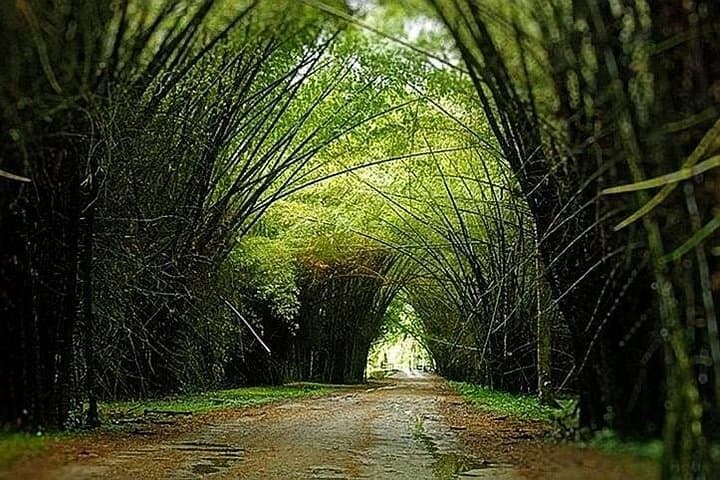
You step off the shaded trail and the air changes—humid, fragrant with ripe fruit and damp earth. Giant palms and strangely shaped leaves lean in, the Lancetilla River murmuring nearby and a line of bamboo daring you toward a cool swimming hole. Birds flash color through the canopy; their calls thread the silence.
Verified experiences and guided adventures in the surrounding area.
Operated by Honduras Traveling · Tela, Atlántida
You step off the shaded trail and the air changes—humid, fragrant with ripe fruit and damp earth. Giant palms and strangely shaped leaves lean in, the Lancetilla River murmuring nearby and a line of bamboo daring you toward a cool swimming hole. Birds flash color through the canopy; their calls thread the silence.
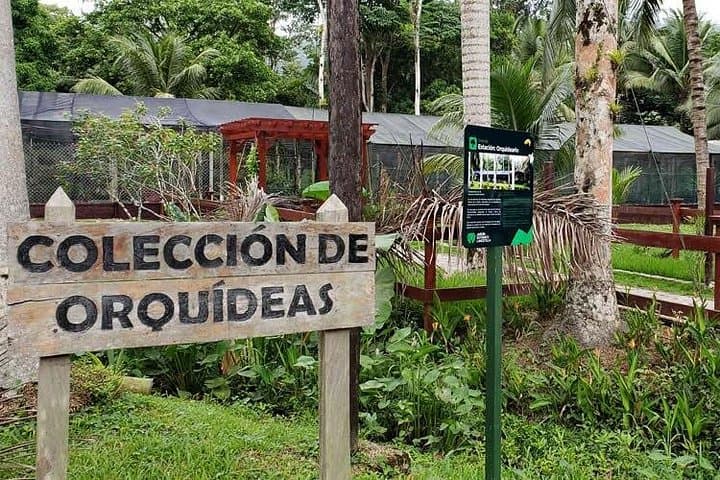
Founded in 1926 by horticulturist Wilson Popenoe as a tropical plant research center for the agricultural industry, Lancetilla is one of the largest botanical research reserves in Latin America. Spanning about 16.8 km² and sitting roughly 5 km from the coastal town of Tela, the site combines experimental orchards—indigenous and introduced species from Oceania and Asia—with natural forest on a low Caribbean coastal plain.
Culturally the garden ties to Honduras’s banana-era economy and to local conservation efforts: the collections preserve rare fruit trees and provide habitat for resident and migratory birds—guides commonly report up to 200 species. Geologically, the terrain is flat to gently rolling, cut by streams that feed into the Lancetilla River and empty toward the Caribbean.
Practical guidance: plan a half-day (the typical tour runs ~6 hours) with closed-toe shoes for muddy trails, insect repellent for shaded corridors, and a swim kit if you want the river plunge. Visit in the morning for the best bird activity and lower heat; carry water and respect research plots—stay on marked paths. The route is accessible for most fitness levels and is stroller- and wheelchair-friendly in main zones, but some side trails are uneven.
Lancetilla rewards patience: watch the canopy move, listen for a toucan’s rattle, and let the garden’s quiet research rhythms slow your pace.
easy.
6 hours.
Suitable for most fitness levels; involves light walking on mostly flat trails with occasional uneven sections.
By road it's roughly 70–90 km depending on route and traffic; most tours allow about 1.5–2 hours each way from San Pedro Sula.
Main garden zones and roads are stroller- and wheelchair-accessible, though some side trails are uneven—confirm accessibility details with your operator.
Yes—there’s a bamboo-shaded swimming hole along the river; water levels vary with season, so exercise caution and avoid strong currents after heavy rain.
Tours typically include a local guide; many operators offer guides in Spanish and often English—confirm language availability when booking.
Lancetilla began as a tropical plant research center in 1926 under Wilson Popenoe and was developed in association with early commercial banana interests to study and conserve tropical crops.
The garden functions as a living plant sanctuary and research reserve; visitors should stick to marked paths, avoid removing plant material, and follow guide instructions to minimize impact.
Honduras Traveling operates guided outdoor trips and adventures with an emphasis on safety, stewardship, and memorable experiences.
You step off the shaded trail and the air changes—humid, fragrant with ripe fruit and damp earth. Giant palms and strangely shaped leaves lean in, the Lancetilla River murmuring nearby and a line of bamboo daring you toward a cool swimming hole. Birds flash color through the canopy; their calls thread the silence.
You step off the shaded trail and the air changes—humid, fragrant with ripe fruit and damp earth. Giant palms and strangely shaped leaves lean in, the Lancetilla River murmuring nearby and a line of bamboo daring you toward a cool swimming hole. Birds flash color through the canopy; their calls thread the silence.
Founded in 1926 by horticulturist Wilson Popenoe as a tropical plant research center for the agricultural industry, Lancetilla is one of the largest botanical research reserves in Latin America. Spanning about 16.8 km² and sitting roughly 5 km from the coastal town of Tela, the site combines experimental orchards—indigenous and introduced species from Oceania and Asia—with natural forest on a low Caribbean coastal plain.
Culturally the garden ties to Honduras’s banana-era economy and to local conservation efforts: the collections preserve rare fruit trees and provide habitat for resident and migratory birds—guides commonly report up to 200 species. Geologically, the terrain is flat to gently rolling, cut by streams that feed into the Lancetilla River and empty toward the Caribbean.
Practical guidance: plan a half-day (the typical tour runs ~6 hours) with closed-toe shoes for muddy trails, insect repellent for shaded corridors, and a swim kit if you want the river plunge. Visit in the morning for the best bird activity and lower heat; carry water and respect research plots—stay on marked paths. The route is accessible for most fitness levels and is stroller- and wheelchair-friendly in main zones, but some side trails are uneven.
Lancetilla rewards patience: watch the canopy move, listen for a toucan’s rattle, and let the garden’s quiet research rhythms slow your pace.