THE ADVENTURE COLLECTIVE® · Independent discovery and booking for outdoor travel

A focused three‑hour walk from Lancaster Castle along the Quayside and canal, this tour connects witch trials, early forensic science, and the city’s 18th‑century ties to the transatlantic trade. Expect cobbles, concise storytelling, and archival streetscapes.
A focused three‑hour walk from Lancaster Castle along the Quayside and canal, this tour connects witch trials, early forensic science, and the city’s 18th‑century ties to the transatlantic trade. Expect cobbles, concise storytelling, and archival streetscapes.
You step out from beneath the stone arch of Lancaster Castle and the city opens in short chapters: cobbled alleys, Georgian façades, and the River Lune curving toward the Irish Sea.
Verified experiences and guided adventures in the surrounding area.
Operated by Walking tour of Lancaster - Execution Slavery Industry · Lancaster, Lancashire
You step out from beneath the stone arch of Lancaster Castle and the city opens in short chapters: cobbled alleys, Georgian façades, and the River Lune curving toward the Irish Sea.
This three‑hour walking tour threads those chapters together. Beginning at the castle, the guide revisits medieval trials and the Pendle witch stories, then traces 18th‑century prosperity back to ships and warehouses on the Quayside. The route moves past almshouses and prosperous merchant houses that point to Lancaster’s role in the transatlantic trade, pauses at the canal and White Cross Mill to explain industrial-era transport, and finishes with the doctor's house—the case that helped birth modern forensic methods.
Geology and layout are compact: the city sits where low limestone and glacial tills give way to the Lune estuary, so the walk is mostly flat with short cobbled streets underfoot. Cultural detail is direct—the Quaker influence, storey brothers’ textile legacy, and civic buildings that reflect mercantile wealth.
Practical guidance: expect an urban stroll of about 3 hours with stops at 8–10 points of interest; comfortable walking shoes handle cobbles better than trainers with flimsy soles. The route is stroller‑friendly and service animals are allowed; public transport links put you at the castle easily. Bring a waterproof layer—Lancashire weather can change quickly—and a charged phone for mobile tickets. Tours are small-group (up to ~20) and best early in the day to avoid crowds at the Quayside and castle forecourt.
easy.
3 hours.
Suitable for most fitness levels; involves standing and walking on uneven cobbles for several short stops.
The tour lasts about three hours and includes roughly 8–10 stops covering the castle, Quayside, canal, almshouses, and historic houses.
Yes—strollers are accommodated on the street sections and service animals are allowed; some stops have steps so assistance may be needed.
Tours begin at Lancaster Castle; mobile tickets are accepted and confirmation is instant at booking.
Yes—families can attend, but stories cover adult topics like executions and the slave trade, so parental guidance is advised.
Lancaster expanded in the 18th century as a coastal port tied into transatlantic trade; civic wealth from shipping financed many municipal and private buildings you'll see on the route.
Many buildings are protected listed structures—respect signage, stick to paths by the canal, and support local museums to help preserve archival material and sensitive river habitats.
Walking tour of Lancaster - Execution Slavery Industry operates guided outdoor trips and adventures with an emphasis on safety, stewardship, and memorable experiences.
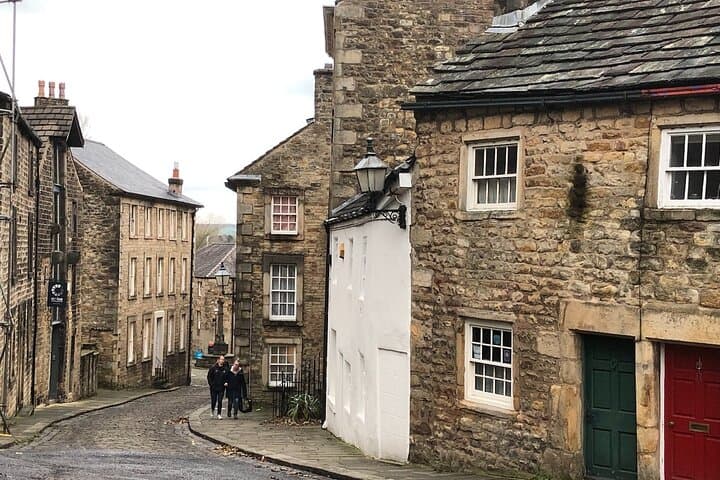
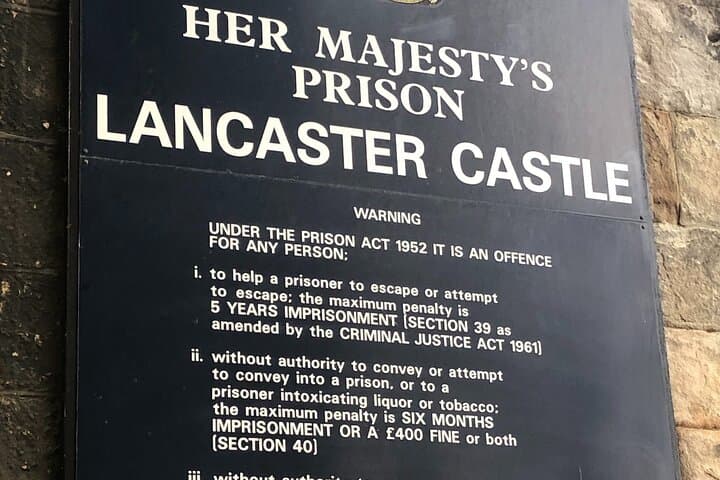
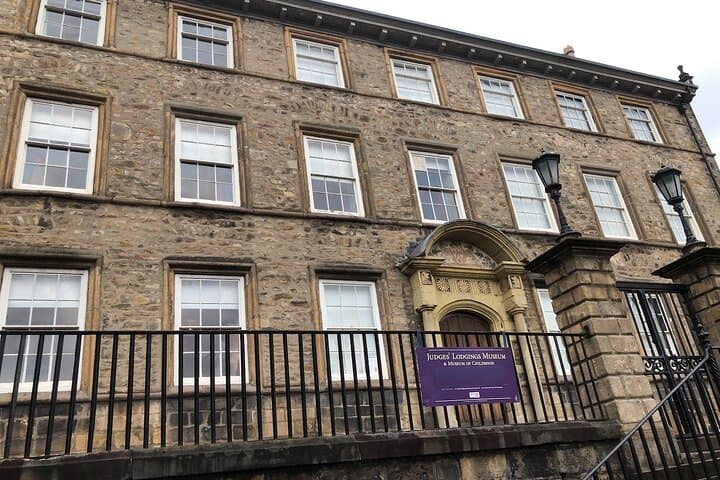
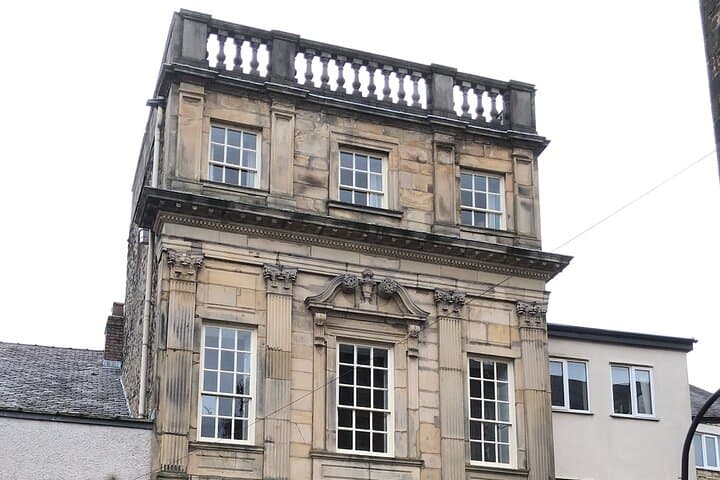
You step out from beneath the stone arch of Lancaster Castle and the city opens in short chapters: cobbled alleys, Georgian façades, and the River Lune curving toward the Irish Sea.
You step out from beneath the stone arch of Lancaster Castle and the city opens in short chapters: cobbled alleys, Georgian façades, and the River Lune curving toward the Irish Sea.
This three‑hour walking tour threads those chapters together. Beginning at the castle, the guide revisits medieval trials and the Pendle witch stories, then traces 18th‑century prosperity back to ships and warehouses on the Quayside. The route moves past almshouses and prosperous merchant houses that point to Lancaster’s role in the transatlantic trade, pauses at the canal and White Cross Mill to explain industrial-era transport, and finishes with the doctor's house—the case that helped birth modern forensic methods.
Geology and layout are compact: the city sits where low limestone and glacial tills give way to the Lune estuary, so the walk is mostly flat with short cobbled streets underfoot. Cultural detail is direct—the Quaker influence, storey brothers’ textile legacy, and civic buildings that reflect mercantile wealth.
Practical guidance: expect an urban stroll of about 3 hours with stops at 8–10 points of interest; comfortable walking shoes handle cobbles better than trainers with flimsy soles. The route is stroller‑friendly and service animals are allowed; public transport links put you at the castle easily. Bring a waterproof layer—Lancashire weather can change quickly—and a charged phone for mobile tickets. Tours are small-group (up to ~20) and best early in the day to avoid crowds at the Quayside and castle forecourt.