THE ADVENTURE COLLECTIVE® · Independent discovery and booking for outdoor travel

Learn a compact decorative technique on Lamma Island with designer-artist Stella. In a two-hour, all-materials-included workshop you’ll create two finished pieces using the napkin transfer method while soaking up island life.
Learn a compact decorative technique on Lamma Island with designer-artist Stella. In a two-hour, all-materials-included workshop you’ll create two finished pieces using the napkin transfer method while soaking up island life.
A ferry eases away from Central and the sea breeze nudges you toward Yung Shue Wan, where a small studio doorway opens onto the hum of island life. Inside, the room smells faintly of varnish and tea; sunlight through a flung-open window throws the worktable into sharp relief. Stella guides you through the napkin-transfer method—an approachable shortcut that makes a surface look hand-painted—while the harbor outside keeps time with bobbing boats.
Verified experiences and guided adventures in the surrounding area.
Operated by s+clicks design studio · Yung Shue Wan, Hong Kong
A ferry eases away from Central and the sea breeze nudges you toward Yung Shue Wan, where a small studio doorway opens onto the hum of island life. Inside, the room smells faintly of varnish and tea; sunlight through a flung-open window throws the worktable into sharp relief. Stella guides you through the napkin-transfer method—an approachable shortcut that makes a surface look hand-painted—while the harbor outside keeps time with bobbing boats.
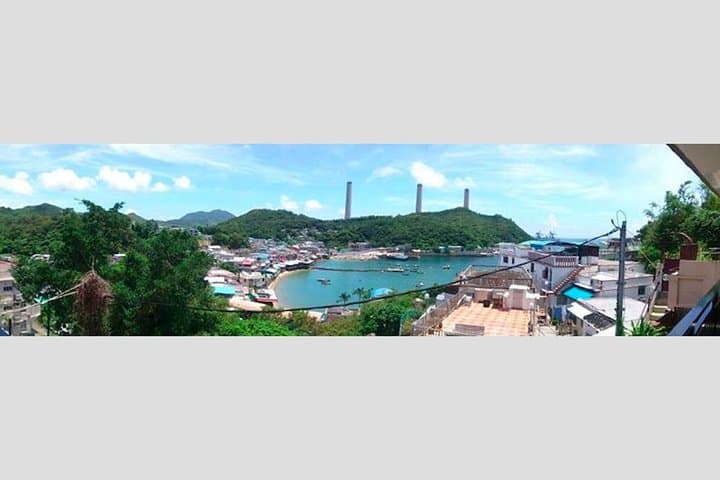
Lamma Island began as fishing and farming settlements; its low ridgelines are weathered volcanic and granite rock, not the high cliffs of Hong Kong Island, and the island’s relaxed pace attracted artists and small-scale galleries over recent decades. That blend of maritime culture and creative practice informs the class: expect practical design tips rooted in local aesthetics—muted coastal palettes and graphic motifs borrowed from fishing paraphernalia.
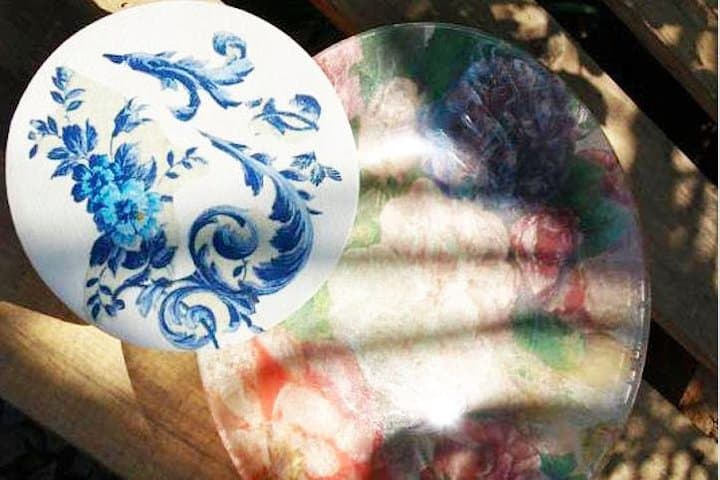
The workshop runs about two hours and includes all materials. You’ll design and complete two pieces—choose between a thin bark box, a canvas panel, or a glass plate—and walk away with usable gifts and a sense of technique rather than a finished studio heirloom. Practicalities: arrive via the regular ferry (timetables vary by season), allow extra time for the short walk from the pier, and plan afternoons to catch the softer light for photos.
This is low-impact, accessible creativity: no heavy lifting, steady surfaces, and staff able to adapt the process to beginners. Bring a small bag for finished pieces, wear clothes you don’t mind splattering, and give yourself time after class to explore the waterfront cafes and quiet beaches that make Lamma feel like a different tempo from the city.
easy.
2 hours.
Suitable for all fitness levels; activity is seated and low-impact
No—this workshop is designed for beginners and Stella demonstrates each step; the emphasis is on design basics and a simple transfer technique.
All materials are provided and you’ll take home two finished items (choices of bark box, canvas, or glass plate) as noted in the listing.
Yes—the listing notes wheelchair accessibility and stroller access; contact the operator ahead of time for specific mobility needs.
Take the public ferry to Yung Shue Wan on Lamma Island; the studio is a short walk from the pier—check local ferry timetables for seasonal schedules.
Lamma grew from fishing and farming villages; in recent decades its lower-density streets attracted artists and small studios, creating a close-knit creative community.
Visitors are asked to respect wildlife (do not feed animals) and to take finished project waste home; island services are limited, so pack out what you bring in.
s+clicks design studio operates guided outdoor trips and adventures with an emphasis on safety, stewardship, and memorable experiences.
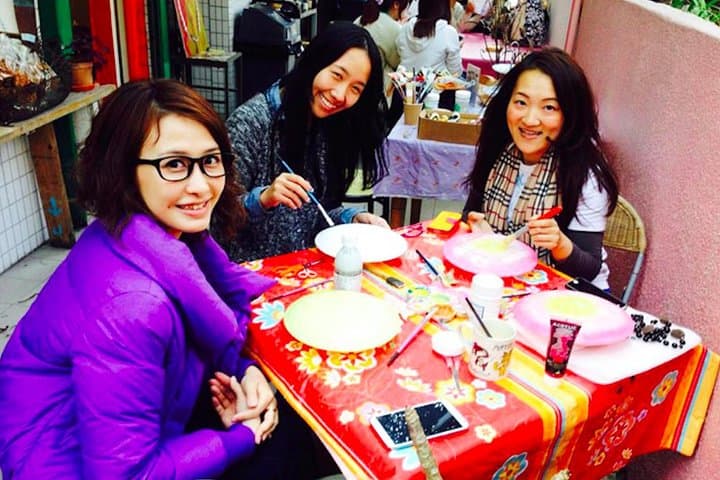
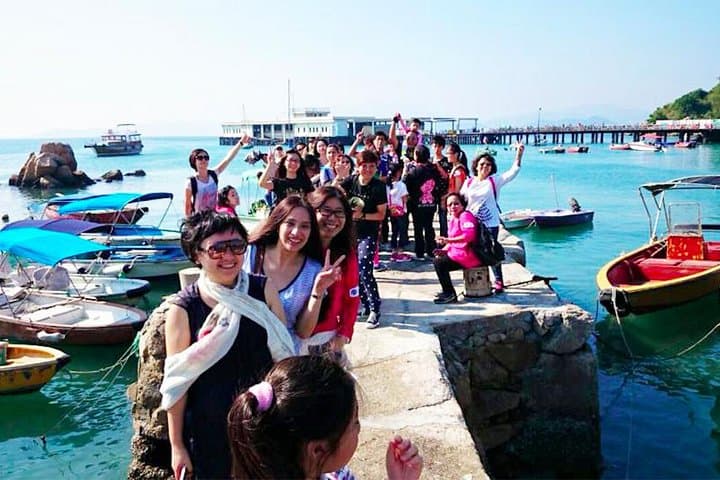
A ferry eases away from Central and the sea breeze nudges you toward Yung Shue Wan, where a small studio doorway opens onto the hum of island life. Inside, the room smells faintly of varnish and tea; sunlight through a flung-open window throws the worktable into sharp relief. Stella guides you through the napkin-transfer method—an approachable shortcut that makes a surface look hand-painted—while the harbor outside keeps time with bobbing boats.
A ferry eases away from Central and the sea breeze nudges you toward Yung Shue Wan, where a small studio doorway opens onto the hum of island life. Inside, the room smells faintly of varnish and tea; sunlight through a flung-open window throws the worktable into sharp relief. Stella guides you through the napkin-transfer method—an approachable shortcut that makes a surface look hand-painted—while the harbor outside keeps time with bobbing boats.
Lamma Island began as fishing and farming settlements; its low ridgelines are weathered volcanic and granite rock, not the high cliffs of Hong Kong Island, and the island’s relaxed pace attracted artists and small-scale galleries over recent decades. That blend of maritime culture and creative practice informs the class: expect practical design tips rooted in local aesthetics—muted coastal palettes and graphic motifs borrowed from fishing paraphernalia.
The workshop runs about two hours and includes all materials. You’ll design and complete two pieces—choose between a thin bark box, a canvas panel, or a glass plate—and walk away with usable gifts and a sense of technique rather than a finished studio heirloom. Practicalities: arrive via the regular ferry (timetables vary by season), allow extra time for the short walk from the pier, and plan afternoons to catch the softer light for photos.
This is low-impact, accessible creativity: no heavy lifting, steady surfaces, and staff able to adapt the process to beginners. Bring a small bag for finished pieces, wear clothes you don’t mind splattering, and give yourself time after class to explore the waterfront cafes and quiet beaches that make Lamma feel like a different tempo from the city.