THE ADVENTURE COLLECTIVE® · Independent discovery and booking for outdoor travel

A brisk, scenic full-day trek from Dhungri into high alpine meadows above Old Manali. Expect forest climbs, open glades, valley views and a guide who keeps logistics simple so you can focus on the landscape.
A brisk, scenic full-day trek from Dhungri into high alpine meadows above Old Manali. Expect forest climbs, open glades, valley views and a guide who keeps logistics simple so you can focus on the landscape.
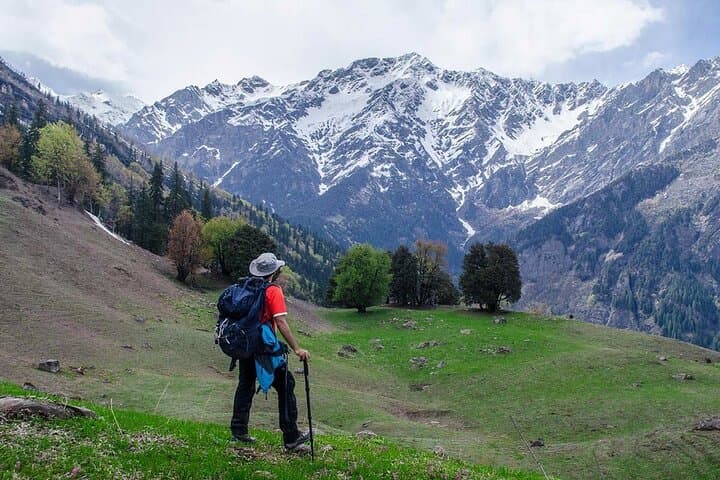
Early light cuts through cedar trunks as you climb away from Dhungri toward Lama Dugh, the high meadow that opens like a quiet stage above Old Manali. The trail threads through thick deodar and oak, angled uphill enough to keep the lungs working and the eyes rewarded: below, the Beas River keeps the valley alive, its current daring you to slow down and look back at the town you’ve left.
Verified experiences and guided adventures in the surrounding area.
Operated by Himachal Bylocals · Manali, Himachal Pradesh
Early light cuts through cedar trunks as you climb away from Dhungri toward Lama Dugh, the high meadow that opens like a quiet stage above Old Manali. The trail threads through thick deodar and oak, angled uphill enough to keep the lungs working and the eyes rewarded: below, the Beas River keeps the valley alive, its current daring you to slow down and look back at the town you’ve left.
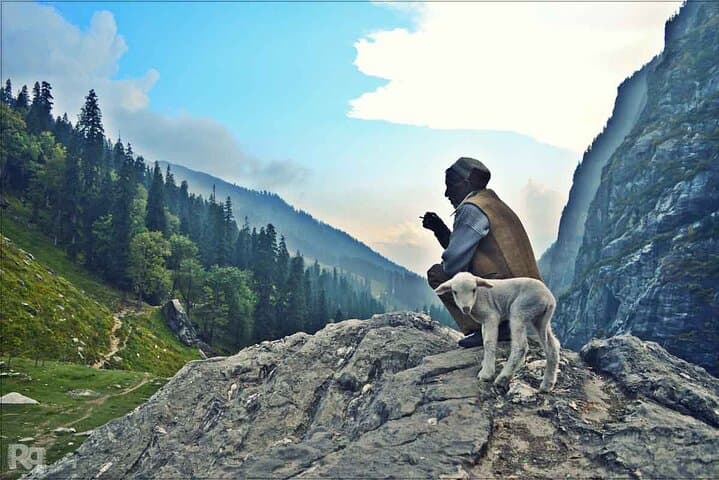
Geology here is young Himalayan—folded schists and granites carved into steep ridgelines that give way to soft, grassy glades. Historically this corridor linked seasonal shepherding grounds with the villages in Kullu; locals still speak of summer grazing and festival routes across these meadows. Cultural touches—stone walls, occasional shepherd tents, and apple orchards lower down—remind you that this is a lived landscape, not a picture postcard.
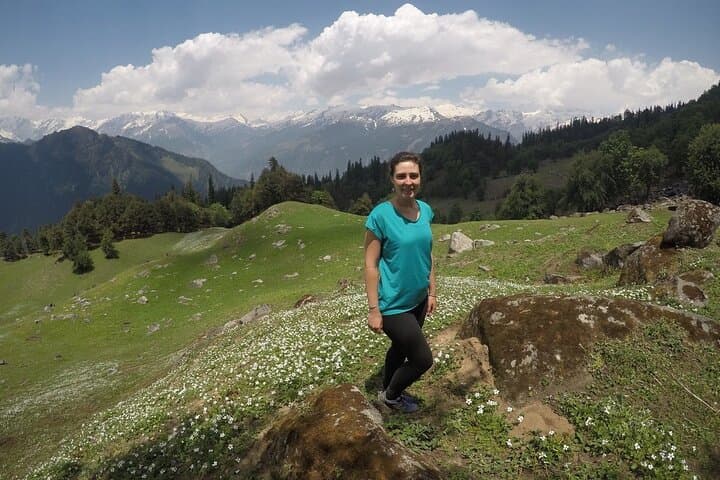
Expect about 6–7 hours on trail, with steady uphill and open glades that reward with panoramic views of upper Kullu. Birdsong is constant in spring; monsoon clouds can drape the valley in dramatic waves. The guide-led format keeps navigation simple and leaves you space to learn about local flora like horse chestnut and maple.
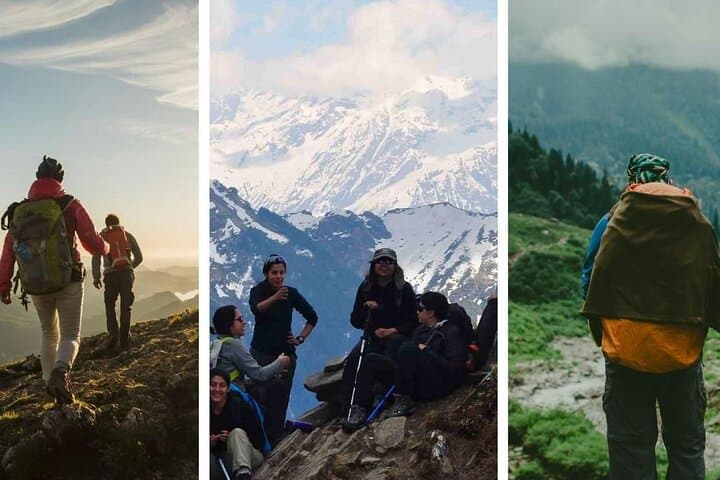
Practical tips: start at dawn for cooler temperatures and better light, carry layered clothing for rapidly shifting mountain weather, and pack at least 2 liters of water and high-energy snacks. Footwear with good grip is important on wet roots and loose scree. Respect grazing areas, stick to the trail, and carry out any waste—these meadows support both wildlife and seasonal pastoral life.
moderate.
6–7 hours.
Suitable for hikers with regular walking fitness; some uphill stamina required for steady climbs.
It’s a moderate full-day trek with steady uphill sections; no technical climbing but expect 6–7 hours on trail and some uneven terrain.
Late spring through early autumn (May–October) offers stable conditions; monsoon (July–August) can bring muddy trails and limited visibility.
Guides are not strictly required but recommended for navigation, local knowledge, and logistic ease on a single-day route.
Fit older children can manage with frequent breaks; avoid if someone has spinal issues or pregnancy due to uneven terrain and altitude changes.
The ridge trails around Manali were historically used by shepherds moving livestock seasonally and connect to local village routes in the Kullu valley.
These alpine meadows are sensitive to trampling and grazing pressure; stick to marked paths, pack out waste, and avoid disturbing shepherding areas.
Himachal Bylocals operates guided outdoor trips and adventures with an emphasis on safety, stewardship, and memorable experiences.
Early light cuts through cedar trunks as you climb away from Dhungri toward Lama Dugh, the high meadow that opens like a quiet stage above Old Manali. The trail threads through thick deodar and oak, angled uphill enough to keep the lungs working and the eyes rewarded: below, the Beas River keeps the valley alive, its current daring you to slow down and look back at the town you’ve left.
Early light cuts through cedar trunks as you climb away from Dhungri toward Lama Dugh, the high meadow that opens like a quiet stage above Old Manali. The trail threads through thick deodar and oak, angled uphill enough to keep the lungs working and the eyes rewarded: below, the Beas River keeps the valley alive, its current daring you to slow down and look back at the town you’ve left.
Geology here is young Himalayan—folded schists and granites carved into steep ridgelines that give way to soft, grassy glades. Historically this corridor linked seasonal shepherding grounds with the villages in Kullu; locals still speak of summer grazing and festival routes across these meadows. Cultural touches—stone walls, occasional shepherd tents, and apple orchards lower down—remind you that this is a lived landscape, not a picture postcard.
Expect about 6–7 hours on trail, with steady uphill and open glades that reward with panoramic views of upper Kullu. Birdsong is constant in spring; monsoon clouds can drape the valley in dramatic waves. The guide-led format keeps navigation simple and leaves you space to learn about local flora like horse chestnut and maple.
Practical tips: start at dawn for cooler temperatures and better light, carry layered clothing for rapidly shifting mountain weather, and pack at least 2 liters of water and high-energy snacks. Footwear with good grip is important on wet roots and loose scree. Respect grazing areas, stick to the trail, and carry out any waste—these meadows support both wildlife and seasonal pastoral life.