THE ADVENTURE COLLECTIVE® · Independent discovery and booking for outdoor travel

Spend two days walking Lalibela’s highland lanes and exploring its UNESCO rock-hewn churches. This compact itinerary pairs guided visits to Bete Giyorgis and Yemrehanna Kristos with local coffee ceremonies and private transfers.
Spend two days walking Lalibela’s highland lanes and exploring its UNESCO rock-hewn churches. This compact itinerary pairs guided visits to Bete Giyorgis and Yemrehanna Kristos with local coffee ceremonies and private transfers.
Morning light carves a sharp silhouette around Bete Giyorgis; the church’s cruciform roof catches the first heat of the highland sun while red-brown lanes wind between living houses and ancient stone.
Verified experiences and guided adventures in the surrounding area.
Operated by Lucy Ethiopia Tours · Lalibela, Amhara
Morning light carves a sharp silhouette around Bete Giyorgis; the church’s cruciform roof catches the first heat of the highland sun while red-brown lanes wind between living houses and ancient stone.
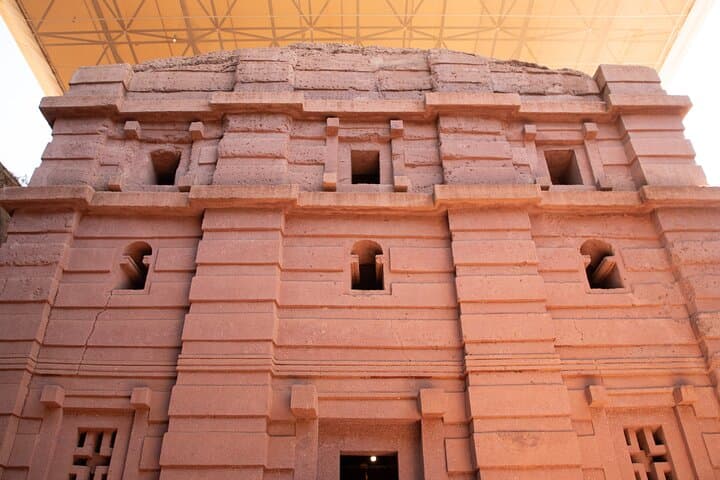
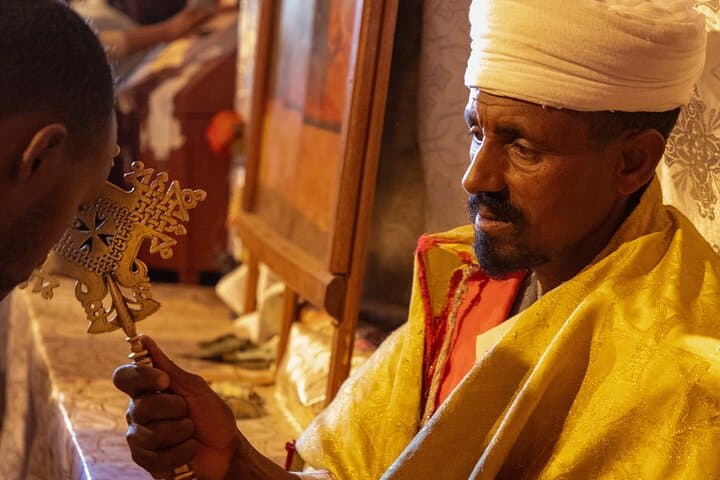
This two-day circuit moves deliberately through Lalibela’s volcanic tuff — rock worked from the top down to reveal whole churches, courtyards, and ritual passageways. Built in the 12th century under King Lalibela’s patronage, these UNESCO-protected monuments sit at roughly 2,630 m elevation and retain living liturgies: priests in white shawls, candles sputtering in low chapels, and coffee ceremonies that frame visits with local rhythm.
Geologically, the churches are carved from welded volcanic ash and basaltic flows; the material is soft enough to sculpt, hard enough to endure. Cultural notes: many sites remain active worship spaces — dress conservatively, remove shoes at thresholds, and observe photography rules (no flash in some interiors).
Practically, expect several hours of guided walking each day on uneven flagstones and steep carved steps; cumulative walking distances are modest (a few kilometers), but altitude and cobbles make pace uneven. The itinerary typically includes the northern cluster on day one and the southern cluster plus Yemrehanna Kristos cave church on day two, with private transfers, an English-speaking guide, breakfast, and one night in a simple 2–3 star hotel.
Plan mornings for photography and late afternoons for quieter exploration. Wear sturdy shoes, layer for cool highland evenings, and bring cash for souvenirs and local tips. With a respectful approach, two days in Lalibela delivers concentrated history, dramatic stonework, and direct cultural encounters.
moderate.
2 days.
Suitable for travelers in average fitness who can walk on uneven stone paths and manage short stair climbs at altitude
This tour notes entrance fees are included in the itinerary, but bring extra cash for any optional stops or donations.
The route involves uneven surfaces and steps; while children and many less-mobile travelers can participate, some churches have limited accessibility.
Dry months (October–February) offer clear skies and cooler temperatures; heavy rains occur June–August and can make paths slippery.
Travelers should check Ethiopian visa requirements for their nationality and consult a travel clinic for routine vaccinations and any destination-specific advice.
Commissioned in the 12th century under King Lalibela, the churches form a deliberate plan of monolithic architecture and active Christian worship that continued for centuries.
Visitors should minimize impact by staying on paths, avoiding chalking or graffiti, and supporting local guides and community-run services to sustain conservation and livelihoods.
Lucy Ethiopia Tours operates guided outdoor trips and adventures with an emphasis on safety, stewardship, and memorable experiences.
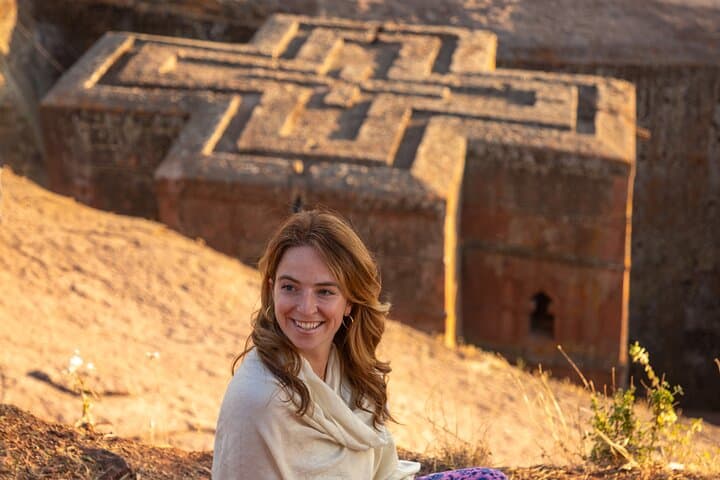
Morning light carves a sharp silhouette around Bete Giyorgis; the church’s cruciform roof catches the first heat of the highland sun while red-brown lanes wind between living houses and ancient stone.
Morning light carves a sharp silhouette around Bete Giyorgis; the church’s cruciform roof catches the first heat of the highland sun while red-brown lanes wind between living houses and ancient stone.
This two-day circuit moves deliberately through Lalibela’s volcanic tuff — rock worked from the top down to reveal whole churches, courtyards, and ritual passageways. Built in the 12th century under King Lalibela’s patronage, these UNESCO-protected monuments sit at roughly 2,630 m elevation and retain living liturgies: priests in white shawls, candles sputtering in low chapels, and coffee ceremonies that frame visits with local rhythm.
Geologically, the churches are carved from welded volcanic ash and basaltic flows; the material is soft enough to sculpt, hard enough to endure. Cultural notes: many sites remain active worship spaces — dress conservatively, remove shoes at thresholds, and observe photography rules (no flash in some interiors).
Practically, expect several hours of guided walking each day on uneven flagstones and steep carved steps; cumulative walking distances are modest (a few kilometers), but altitude and cobbles make pace uneven. The itinerary typically includes the northern cluster on day one and the southern cluster plus Yemrehanna Kristos cave church on day two, with private transfers, an English-speaking guide, breakfast, and one night in a simple 2–3 star hotel.
Plan mornings for photography and late afternoons for quieter exploration. Wear sturdy shoes, layer for cool highland evenings, and bring cash for souvenirs and local tips. With a respectful approach, two days in Lalibela delivers concentrated history, dramatic stonework, and direct cultural encounters.