THE ADVENTURE COLLECTIVE® · Independent discovery and booking for outdoor travel

Combine Lalibela’s 12th-century rock-hewn churches with the otherworldly heat and salt flats of the Danakil Depression on a six-day expedition. Expect long drives, desert camping, a night at Erta Ale, and deep immersion in Ethiopia’s geological and cultural landmarks.
Combine Lalibela’s 12th-century rock-hewn churches with the otherworldly heat and salt flats of the Danakil Depression on a six-day expedition. Expect long drives, desert camping, a night at Erta Ale, and deep immersion in Ethiopia’s geological and cultural landmarks.
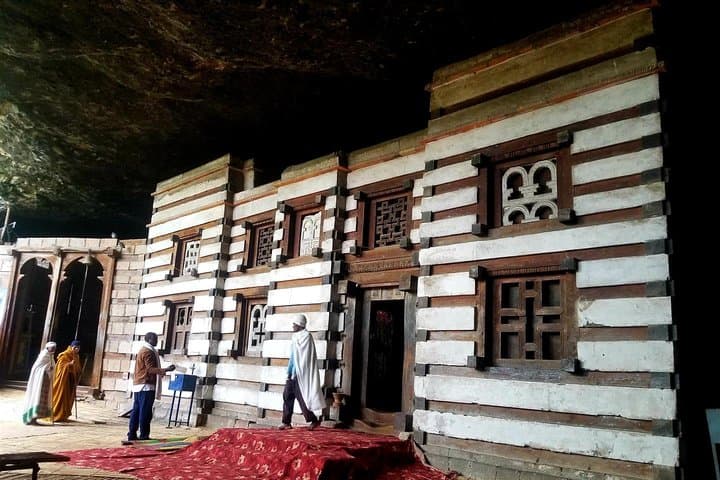
A morning light cuts across red stone as you step from Sora Lodge into Lalibela’s narrow alleys — smoke from coffee pits mingling with the cool, thin air. The first days trace quiet stone corridors and carved churches hewn from living rock, each room a slow, human-made canyon. Then the landscape shifts: paved roads give way to rough tracks, and the desert of the Danakil Depression pushes at the edges of the world, the ground steaming and the horizon blurred by heat mirages.
Verified experiences and guided adventures in the surrounding area.
Operated by Zagol Ethiopia Tours · Lalibela, Amhara Region
A morning light cuts across red stone as you step from Sora Lodge into Lalibela’s narrow alleys — smoke from coffee pits mingling with the cool, thin air. The first days trace quiet stone corridors and carved churches hewn from living rock, each room a slow, human-made canyon. Then the landscape shifts: paved roads give way to rough tracks, and the desert of the Danakil Depression pushes at the edges of the world, the ground steaming and the horizon blurred by heat mirages.
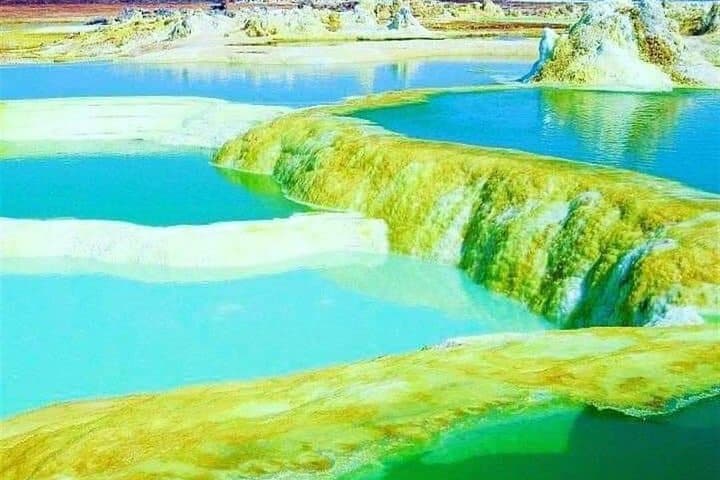
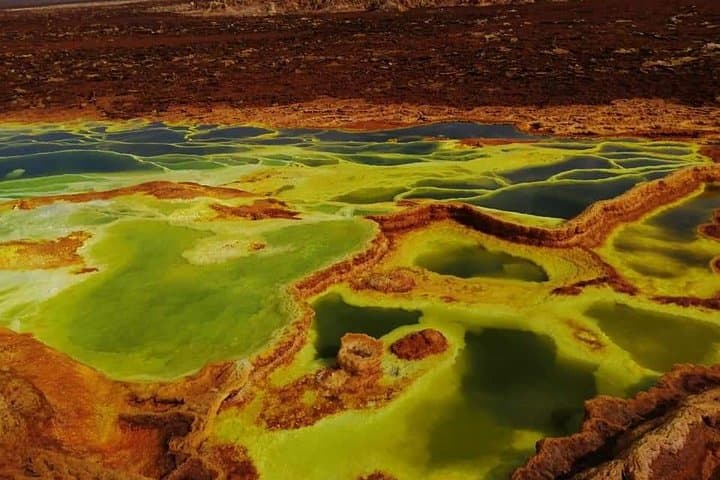
Lalibela’s 12th-century rock-hewn churches reveal medieval Ethiopian Orthodoxy and a landscape carved by faith. Geologically, Danakil is part of the East African Rift — salt plains, fumaroles, and the persistent Erta Ale lava lake formed by ongoing volcanic activity. Cultural threads run through both: local Afar salt caravans still cross the plains while Lalibela’s communities keep coffee ceremony and liturgical traditions alive.
Practically, expect long 4x4 drives, short daytime hikes, a night ascent to Erta Ale’s rim, and both hotel and basic desert camping. Guides manage logistics and camels carry camp gear to the volcano rim, but travelers should be ready for dust, nighttime cold, and intense daytime heat. Bring layered clothing, reliable sun protection, and hydration systems; plan arrival buffer time for travel disruptions. Respect local customs, follow your guide in fragile geothermal zones, and allow extra battery power for photography — the light here changes like a living thing, daring you to keep up.
challenging.
6 days.
Suitable for travelers with moderate to strong fitness—expect 3–5 hour driving days, short hikes, and a night ascent to the Erta Ale rim.
Most travelers need an Ethiopian visa; Danakil often requires regional permits and an organized tour with a licensed guide—confirm paperwork with your operator before travel.
The ascent is a 3–4 hour climb over lava and loose rock; it’s steep in places and done at night to avoid daytime heat, so basic fitness and steady footing are required.
The tour mixes mid-range hotels in Lalibela/Mekelle with basic desert camping near Erta Ale and HamadEla; birr and personal comfort items are advised for remote stays.
October–March offers cooler daytime temperatures and clearer conditions; summer months are hotter and can increase discomfort on the salt flats.
Lalibela’s churches date to the 12th century and were carved from living rock under King Lalibela; the Danakil Depression sits on the East African Rift and hosts active volcanic and hydrothermal features like Erta Ale and Dallol.
This region’s fragile desert ecosystems and geothermal features are easily damaged—stick to trails, pack out waste, and support local guides and communities to minimize impact.
Zagol Ethiopia Tours operates guided outdoor trips and adventures with an emphasis on safety, stewardship, and memorable experiences.
A morning light cuts across red stone as you step from Sora Lodge into Lalibela’s narrow alleys — smoke from coffee pits mingling with the cool, thin air. The first days trace quiet stone corridors and carved churches hewn from living rock, each room a slow, human-made canyon. Then the landscape shifts: paved roads give way to rough tracks, and the desert of the Danakil Depression pushes at the edges of the world, the ground steaming and the horizon blurred by heat mirages.
A morning light cuts across red stone as you step from Sora Lodge into Lalibela’s narrow alleys — smoke from coffee pits mingling with the cool, thin air. The first days trace quiet stone corridors and carved churches hewn from living rock, each room a slow, human-made canyon. Then the landscape shifts: paved roads give way to rough tracks, and the desert of the Danakil Depression pushes at the edges of the world, the ground steaming and the horizon blurred by heat mirages.
Lalibela’s 12th-century rock-hewn churches reveal medieval Ethiopian Orthodoxy and a landscape carved by faith. Geologically, Danakil is part of the East African Rift — salt plains, fumaroles, and the persistent Erta Ale lava lake formed by ongoing volcanic activity. Cultural threads run through both: local Afar salt caravans still cross the plains while Lalibela’s communities keep coffee ceremony and liturgical traditions alive.
Practically, expect long 4x4 drives, short daytime hikes, a night ascent to Erta Ale’s rim, and both hotel and basic desert camping. Guides manage logistics and camels carry camp gear to the volcano rim, but travelers should be ready for dust, nighttime cold, and intense daytime heat. Bring layered clothing, reliable sun protection, and hydration systems; plan arrival buffer time for travel disruptions. Respect local customs, follow your guide in fragile geothermal zones, and allow extra battery power for photography — the light here changes like a living thing, daring you to keep up.