THE ADVENTURE COLLECTIVE® · Independent discovery and booking for outdoor travel

Spend two days among Lalibela’s rock‑hewn churches, witnessing medieval craftsmanship and an early morning Orthodox service. This compact overnight tour pairs cultural immersion with easy highland walks and dramatic sunset views.
Spend two days among Lalibela’s rock‑hewn churches, witnessing medieval craftsmanship and an early morning Orthodox service. This compact overnight tour pairs cultural immersion with easy highland walks and dramatic sunset views.
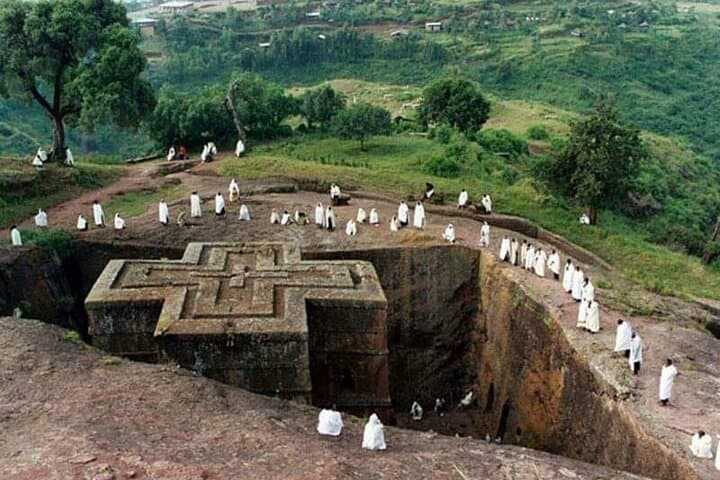
You arrive on a highland morning and the air is thin and dry, the town of Lalibela etched into the basalt like an answer carved from stone. Limestone roofs, narrow alleys and the low murmur of prayer lead you toward slabs and doorways hewn from living rock — the churches here sit below eye level, as if the earth kept them for itself.
Verified experiences and guided adventures in the surrounding area.
Operated by Sycamore Ethiopia Tours · Lalibela, Amhara Region
You arrive on a highland morning and the air is thin and dry, the town of Lalibela etched into the basalt like an answer carved from stone. Limestone roofs, narrow alleys and the low murmur of prayer lead you toward slabs and doorways hewn from living rock — the churches here sit below eye level, as if the earth kept them for itself.
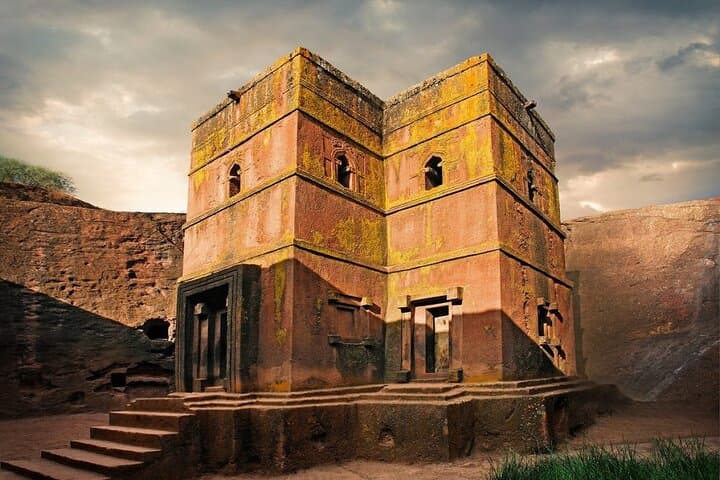
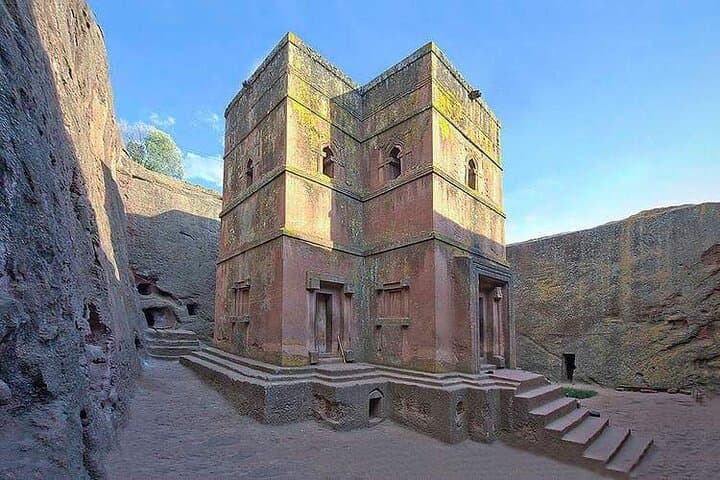
Built in the 12th and 13th centuries during the reign of King Lalibela, the eleven monolithic churches form a unique medieval complex designated a UNESCO World Heritage site. The structures are carved downward from bedrock, linked by trenches and tunnels that reveal both medieval engineering and the region’s volcanic geology: the Lasta massif is basalt and ignimbrite, shaped by ancient lava flows and erosion. Local culture remains intensely Christian Orthodox; attending an early morning mass will give you a window into rituals that have persisted for centuries.
This guided 2-day, 1-night tour moves at a steady cultural pace: a full day of site visits, an early-morning service, exploration of the secondary church group, and a sunset viewpoint overlooking the mountains. Expect steep steps, uneven stone floors and narrow passages — comfortable walking shoes and respect for dress codes are required. Guides typically arrange private transport and entrance fees and can include short domestic flights into Lalibela.
Practical tips: plan for altitude and strong sun; carry water and layered clothing for cool evenings; ask your guide about photography etiquette during services. With a moderate fitness level you can cover the main churches and nearby viewpoints while leaving time to absorb the scale and quiet of one of Ethiopia’s most singular places.
moderate.
2 days (guided touring ~8–9 hours each day).
Moderate fitness recommended — comfortable walking on uneven stone and climbing stairs for several hours.
The tour listing shows entrance fees and domestic flights among inclusions, but confirm at booking since itineraries can vary by operator.
Children and older travelers can join, but be prepared for many stairs and uneven walking surfaces; infants may need to sit on laps during transport.
October–February (post-rain dry season) offers clear skies and comfortable temperatures, though pilgrimage periods may be busier.
Guides often coordinate domestic flights and a one‑night hotel stay as part of the package; confirm included logistics when booking.
Lalibela’s rock‑cut churches were commissioned by King Lalibela in the 12th–13th centuries as a ‘New Jerusalem’ and remain an active center of Ethiopian Orthodox worship.
Visitor numbers and touching the carvings can accelerate wear — follow paths, avoid flash photography during services, and support local guides and conservation fees.
Sycamore Ethiopia Tours operates guided outdoor trips and adventures with an emphasis on safety, stewardship, and memorable experiences.
You arrive on a highland morning and the air is thin and dry, the town of Lalibela etched into the basalt like an answer carved from stone. Limestone roofs, narrow alleys and the low murmur of prayer lead you toward slabs and doorways hewn from living rock — the churches here sit below eye level, as if the earth kept them for itself.
You arrive on a highland morning and the air is thin and dry, the town of Lalibela etched into the basalt like an answer carved from stone. Limestone roofs, narrow alleys and the low murmur of prayer lead you toward slabs and doorways hewn from living rock — the churches here sit below eye level, as if the earth kept them for itself.
Built in the 12th and 13th centuries during the reign of King Lalibela, the eleven monolithic churches form a unique medieval complex designated a UNESCO World Heritage site. The structures are carved downward from bedrock, linked by trenches and tunnels that reveal both medieval engineering and the region’s volcanic geology: the Lasta massif is basalt and ignimbrite, shaped by ancient lava flows and erosion. Local culture remains intensely Christian Orthodox; attending an early morning mass will give you a window into rituals that have persisted for centuries.
This guided 2-day, 1-night tour moves at a steady cultural pace: a full day of site visits, an early-morning service, exploration of the secondary church group, and a sunset viewpoint overlooking the mountains. Expect steep steps, uneven stone floors and narrow passages — comfortable walking shoes and respect for dress codes are required. Guides typically arrange private transport and entrance fees and can include short domestic flights into Lalibela.
Practical tips: plan for altitude and strong sun; carry water and layered clothing for cool evenings; ask your guide about photography etiquette during services. With a moderate fitness level you can cover the main churches and nearby viewpoints while leaving time to absorb the scale and quiet of one of Ethiopia’s most singular places.