THE ADVENTURE COLLECTIVE® · Independent discovery and booking for outdoor travel

Travel from the urban calm of Sapporo to a day of quiet caldera shores and active geothermal wonder. This private trip pairs Lake Toya’s reflective expanse with Noboribetsu’s steaming Hell Valley for an easy, richly varied day in Hokkaido.
Travel from the urban calm of Sapporo to a day of quiet caldera shores and active geothermal wonder. This private trip pairs Lake Toya’s reflective expanse with Noboribetsu’s steaming Hell Valley for an easy, richly varied day in Hokkaido.
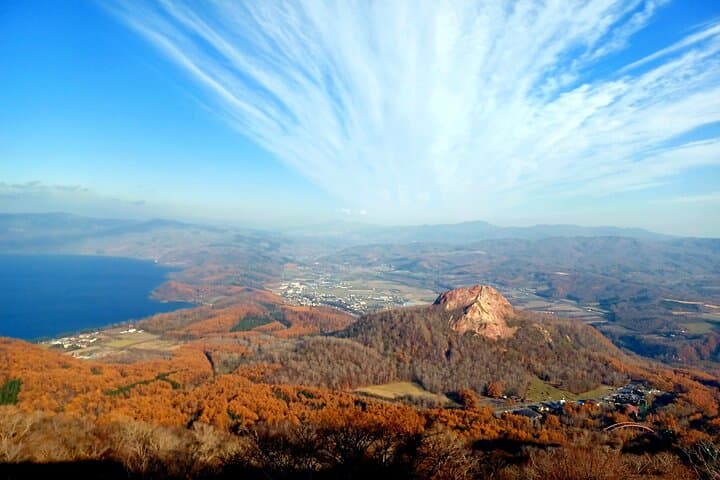
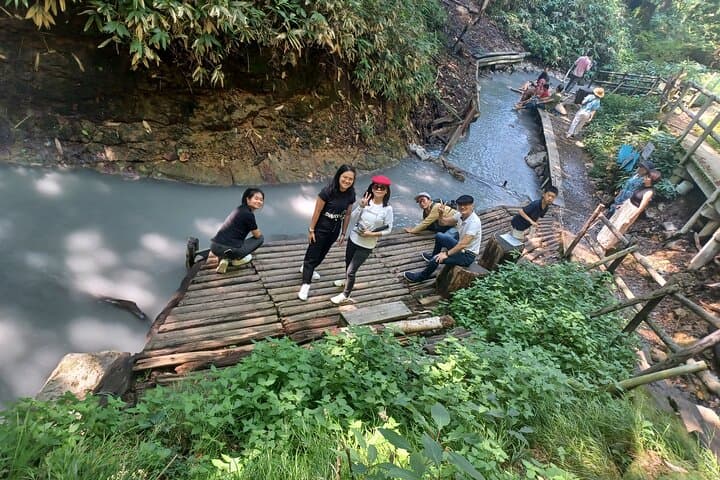
You arrive to a landscape split between glassy water and steaming rock: Lake Toya’s calm surface stretches wide enough to hold the horizon, while, an hour’s drive away, Noboribetsu Jigokudani (Hell Valley) breathes sulfur and steam into the cold Hokkaido air. The day moves from lakeshore quiet to volcanic energy—boardwalks and observation platforms bring you close without getting in the way of the heat.
Verified experiences and guided adventures in the surrounding area.
Operated by Hokkaido Private Adventure · Noboribetsu, Hokkaido
You arrive to a landscape split between glassy water and steaming rock: Lake Toya’s calm surface stretches wide enough to hold the horizon, while, an hour’s drive away, Noboribetsu Jigokudani (Hell Valley) breathes sulfur and steam into the cold Hokkaido air. The day moves from lakeshore quiet to volcanic energy—boardwalks and observation platforms bring you close without getting in the way of the heat.
Lake Toya sits in a volcanic caldera formed by massive eruptions tens of thousands of years ago; its 36.5 km perimeter surrounds four small islands and offers repeated vantage points of Mt. Usu, a volcano with multiple 20th-century eruptions. Noboribetsu grew as an onsen town because groundwater meets hot, gas-rich rock—bubbling pools, fumaroles, and iron-stained streams create a landscape both raw and accessible. Local Ainu history threads through place names; onsen culture and ryokan hospitality remain part of everyday life here.
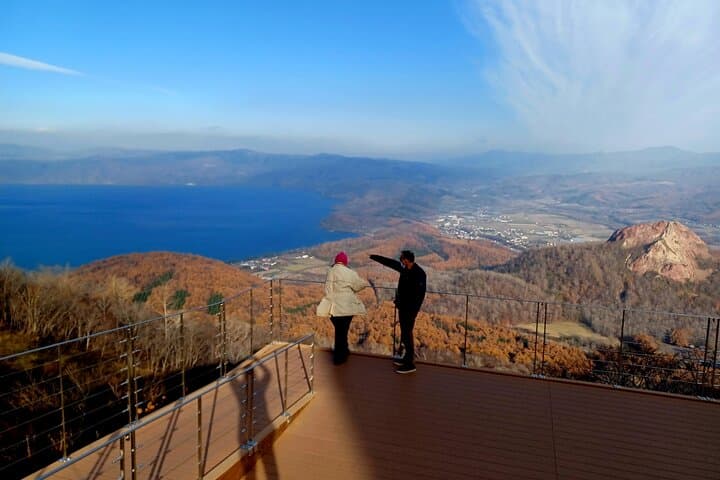
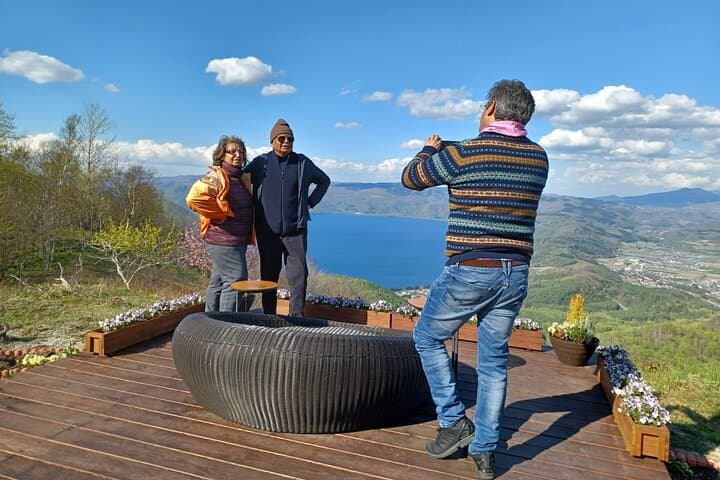
On a private day trip expect short, easy walks—promenades around Jigokudani, a ropeway ride and viewing platform near Mt. Usu, and lakeside stops to photograph islands and waterfowl. Terrain alternates paved boardwalks, gentle slopes, and short stair sections around vents. Practical notes: wear sturdy shoes that can handle hot-sulfur scent and occasional muddy spots, carry a light wind layer, and plan for variable weather—visibility from the ropeway changes fast.
Timing matters: morning light flatters the lake; late afternoon can bring dramatic steam plumes at Noboribetsu. Bring a reusable water bottle, respect onsen etiquette, and leave geothermal features as you find them—fragile, hot, and alive.
easy.
6 hours.
Suitable for most travelers with light walking ability; mostly short promenades and viewpoint stops.
This private day trip runs about six hours and typically includes Mt. Usu ropeway/observation, Lake Toya viewpoints, and a walk through Noboribetsu Jigokudani with optional footbath visits.
No—walks are short and on maintained boardwalks or paved viewpoints; occasional stairs and mild slopes are present but suitable for most fitness levels.
Some itineraries include a natural footbath or access to public baths; full onsen use may be subject to additional rules or entry fees and local tattoo policies.
Wear closed-toe shoes, a windproof layer, and avoid loose clothing that might catch sulfur particulates; be mindful of strong smells if you have respiratory sensitivity.
The Lake Toya caldera formed in prehistoric volcanic activity; Noboribetsu developed into a major onsen resort as hot springs were harnessed for bathing and healing since the Edo period.
Visitors are encouraged to stay on marked paths to protect fragile geothermal features and wetland vegetation; local parks enforce signage to prevent thermal-area damage and littering.
Hokkaido Private Adventure operates guided outdoor trips and adventures with an emphasis on safety, stewardship, and memorable experiences.
You arrive to a landscape split between glassy water and steaming rock: Lake Toya’s calm surface stretches wide enough to hold the horizon, while, an hour’s drive away, Noboribetsu Jigokudani (Hell Valley) breathes sulfur and steam into the cold Hokkaido air. The day moves from lakeshore quiet to volcanic energy—boardwalks and observation platforms bring you close without getting in the way of the heat.
You arrive to a landscape split between glassy water and steaming rock: Lake Toya’s calm surface stretches wide enough to hold the horizon, while, an hour’s drive away, Noboribetsu Jigokudani (Hell Valley) breathes sulfur and steam into the cold Hokkaido air. The day moves from lakeshore quiet to volcanic energy—boardwalks and observation platforms bring you close without getting in the way of the heat.
Lake Toya sits in a volcanic caldera formed by massive eruptions tens of thousands of years ago; its 36.5 km perimeter surrounds four small islands and offers repeated vantage points of Mt. Usu, a volcano with multiple 20th-century eruptions. Noboribetsu grew as an onsen town because groundwater meets hot, gas-rich rock—bubbling pools, fumaroles, and iron-stained streams create a landscape both raw and accessible. Local Ainu history threads through place names; onsen culture and ryokan hospitality remain part of everyday life here.
On a private day trip expect short, easy walks—promenades around Jigokudani, a ropeway ride and viewing platform near Mt. Usu, and lakeside stops to photograph islands and waterfowl. Terrain alternates paved boardwalks, gentle slopes, and short stair sections around vents. Practical notes: wear sturdy shoes that can handle hot-sulfur scent and occasional muddy spots, carry a light wind layer, and plan for variable weather—visibility from the ropeway changes fast.
Timing matters: morning light flatters the lake; late afternoon can bring dramatic steam plumes at Noboribetsu. Bring a reusable water bottle, respect onsen etiquette, and leave geothermal features as you find them—fragile, hot, and alive.