THE ADVENTURE COLLECTIVE® · Independent discovery and booking for outdoor travel

Spend a day on Lake Titicaca visiting the man-made totora islands of the Uros and the textile-rich island of Taquile. This full-day boat tour blends short hikes, cultural exchange, and panoramic high-altitude lake scenery.
Spend a day on Lake Titicaca visiting the man-made totora islands of the Uros and the textile-rich island of Taquile. This full-day boat tour blends short hikes, cultural exchange, and panoramic high-altitude lake scenery.
Morning light slices across a glassy expanse—air thin, wind crisp—when the boat eases away from Puno and the reed islands come into view. The floating Uros rise like stitched platforms on the water, totora reeds gathering into homes and walkways, while farther out Taquile's stony slope waits with terraces and a square where men wear hand-knit belts like living maps.
Verified experiences and guided adventures in the surrounding area.
Operated by Lake Titicaca Trips · Puno, Puno
Morning light slices across a glassy expanse—air thin, wind crisp—when the boat eases away from Puno and the reed islands come into view. The floating Uros rise like stitched platforms on the water, totora reeds gathering into homes and walkways, while farther out Taquile's stony slope waits with terraces and a square where men wear hand-knit belts like living maps.
This is a high-altitude landscape shaped by tectonics and the slow decay of the Andes: Lake Titicaca sits around 3,812 meters, fed by Andean streams and holding cultures older than the Spanish conquest. The Uros constructed buoyant islands from totora reeds long before the Inca; Taquile preserves textile techniques recognized by UNESCO as intangible cultural heritage. Local life revolves around reed harvesting, fishing, and tightly woven social rules tied to the seasons.
Practically, expect a 6–7 hour outing with hotel pickup early morning, a ~25-minute boat to Uros, guided island visits, then a transfer to Taquile. The Taquile port climb is a steady 45-minute uphill hike to the main plaza; guides explain weaving practices and there’s a sit-down local lunch. Facilities are basic—bring toilet paper and small change for extras. Optional reed-boat rides and textile purchases are available.
Prepare for strong sun, cold breezes, and altitude fatigue: layer clothing, drink water, and walk deliberately on steep cobbles. The trip mixes short hikes, boat time, and close cultural encounters—an accessible day that rewards curiosity and a bit of physical readiness.
moderate.
6–7 hours.
Moderate fitness; able to handle a steady 45-minute uphill walk at altitude and several short boat transfers.
The transfer from Puno to the Uros islands is about 20–30 minutes depending on winds and the exact pier.
The hike from Taquile port to the main plaza is a steady, gradual uphill of roughly 45 minutes—moderate effort at altitude.
Basic public toilets exist on main tourist spots; lunch is usually provided at a local restaurant on Taquile included in the tour.
Yes—Taquile is known for handwoven textiles sold by local cooperatives; buying directly supports community livelihoods.
Uros reed islands predate the Inca and were engineered as floating platforms from totora; Taquile preserves a spinning-and-weaving tradition honored by UNESCO.
Totora reed beds are a fragile resource—avoid trampling, follow guide instructions, and support community-run initiatives that manage reed harvesting sustainably.
Lake Titicaca Trips operates guided outdoor trips and adventures with an emphasis on safety, stewardship, and memorable experiences.
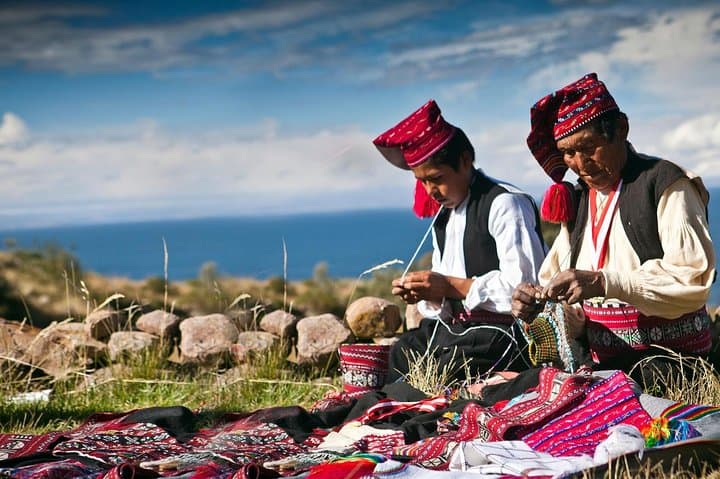
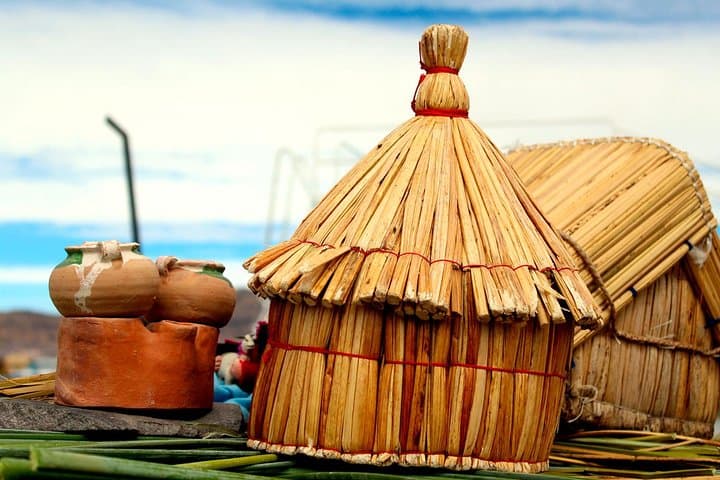
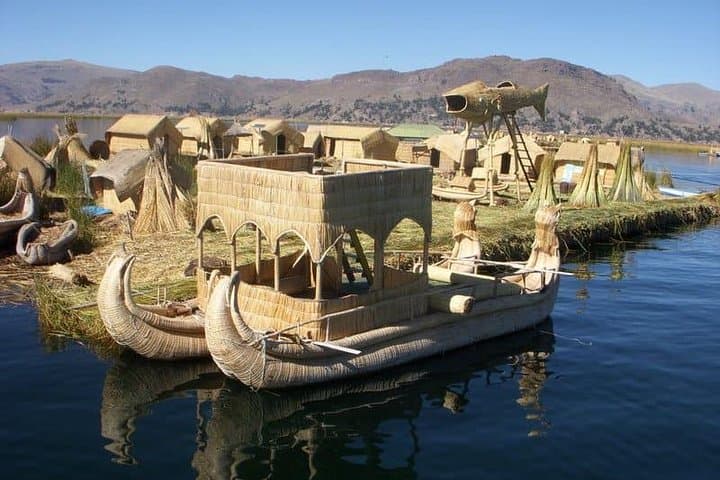
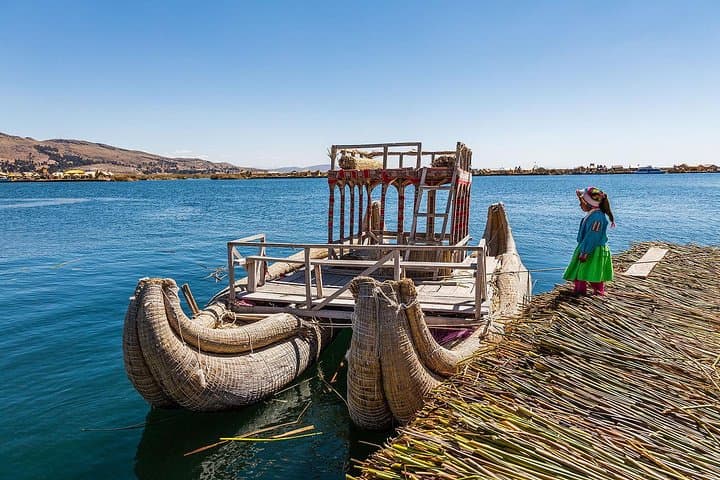
Morning light slices across a glassy expanse—air thin, wind crisp—when the boat eases away from Puno and the reed islands come into view. The floating Uros rise like stitched platforms on the water, totora reeds gathering into homes and walkways, while farther out Taquile's stony slope waits with terraces and a square where men wear hand-knit belts like living maps.
Morning light slices across a glassy expanse—air thin, wind crisp—when the boat eases away from Puno and the reed islands come into view. The floating Uros rise like stitched platforms on the water, totora reeds gathering into homes and walkways, while farther out Taquile's stony slope waits with terraces and a square where men wear hand-knit belts like living maps.
This is a high-altitude landscape shaped by tectonics and the slow decay of the Andes: Lake Titicaca sits around 3,812 meters, fed by Andean streams and holding cultures older than the Spanish conquest. The Uros constructed buoyant islands from totora reeds long before the Inca; Taquile preserves textile techniques recognized by UNESCO as intangible cultural heritage. Local life revolves around reed harvesting, fishing, and tightly woven social rules tied to the seasons.
Practically, expect a 6–7 hour outing with hotel pickup early morning, a ~25-minute boat to Uros, guided island visits, then a transfer to Taquile. The Taquile port climb is a steady 45-minute uphill hike to the main plaza; guides explain weaving practices and there’s a sit-down local lunch. Facilities are basic—bring toilet paper and small change for extras. Optional reed-boat rides and textile purchases are available.
Prepare for strong sun, cold breezes, and altitude fatigue: layer clothing, drink water, and walk deliberately on steep cobbles. The trip mixes short hikes, boat time, and close cultural encounters—an accessible day that rewards curiosity and a bit of physical readiness.