THE ADVENTURE COLLECTIVE® · Independent discovery and booking for outdoor travel

Spend a full day crossing Lake Titicaca to visit the man-made Uros reed islands and climb to the textile-rich community of Taquile. This Puno departure offers close cultural contact, scenic crossings, and a compact hike with panoramic lake views.
Spend a full day crossing Lake Titicaca to visit the man-made Uros reed islands and climb to the textile-rich community of Taquile. This Puno departure offers close cultural contact, scenic crossings, and a compact hike with panoramic lake views.
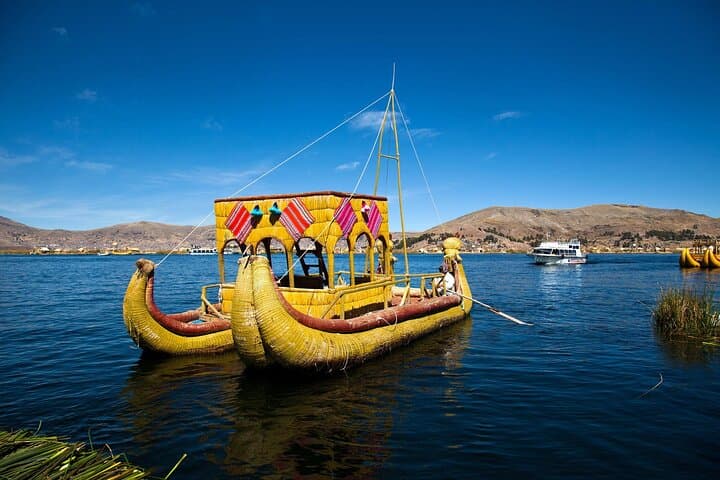
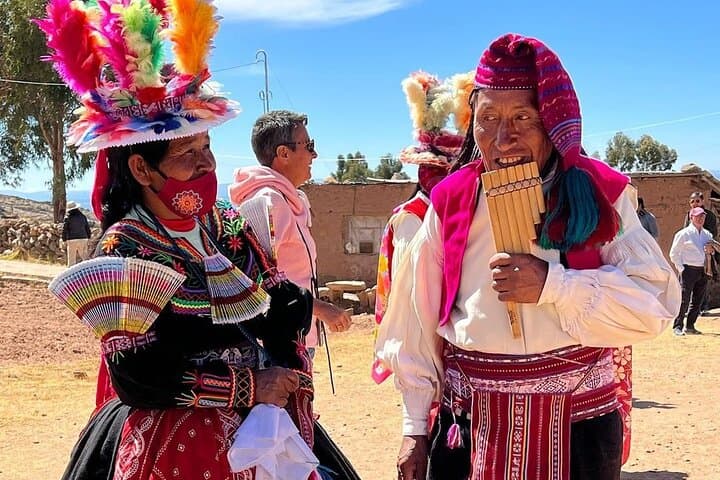
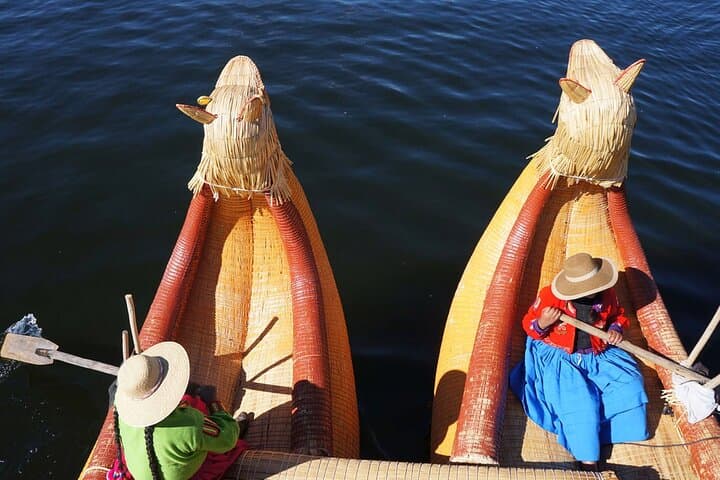
The boat carves a gray-blue path across Lake Titicaca and cold air pushes at your face as you approach a cluster of reeds that seem to float like an island sewn from the water itself. On arrival at the Uros, people in colorful traditional dress wait to greet you; their reed homes rise and sink with the lake’s small waves, and voices carry explanations of how totora reed binds their lives to the water.
Verified experiences and guided adventures in the surrounding area.
Operated by IZI PERU · Puno, Puno
The boat carves a gray-blue path across Lake Titicaca and cold air pushes at your face as you approach a cluster of reeds that seem to float like an island sewn from the water itself. On arrival at the Uros, people in colorful traditional dress wait to greet you; their reed homes rise and sink with the lake’s small waves, and voices carry explanations of how totora reed binds their lives to the water.
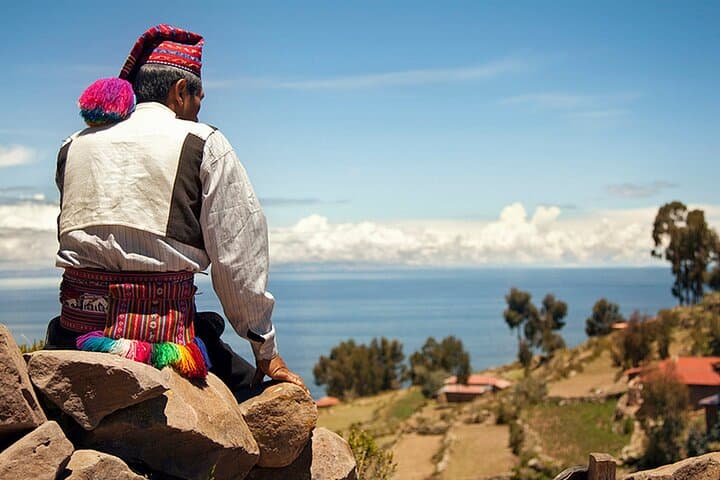
This is high-altitude travel—over 3,800 meters—where the plateau’s geology is visible in distant puna hills and the lake’s shallow shelves shaped long ago by glacial and tectonic forces. The Uros are a pre-Inca cultural adaptation: man-made islands maintained by generations who harvest totora for houses, boats and crafts. Later you cross open water to Taquile, a natural island with terraced fields and a communal textile tradition protected by strict local rules; men’s knitted hats and woven belts tell stories of lineage.
Expect roughly a 30-minute ride to Uros, about two hours crossing to Taquile, and a steady 40-minute climb on stone steps to the island plaza. Boats can be choppy and sun is intense at altitude; coca or muña mate is traditionally offered to ease acclimatization. Bring layers, good walking shoes, cash for crafts, and plan for an 8–11 hour day round-trip from Puno. Guides handle logistics and lunch; your main job is to move at the island pace—observe, ask, and respect local custom.
moderate.
8–11 hours.
Reasonable fitness for a 40-minute uphill walk and boarding small boats; must be acclimatized to high altitude.
The listed duration is about 11 hours; most operators pick up in central Puno in the morning and return late afternoon—check your voucher for exact times.
Yes—physically it's accessible, but consider altitude exposure and the 40-minute uphill on Taquile; travel at a gentle pace and communicate needs to the guide.
Swimming is not recommended due to cold water temperatures, high altitude, and limited rescue resources; most visitors stay ashore or on boats.
The tour typically includes entrance tickets and one lunch on Taquile (quinoa soup and trout), but confirm dietary needs and any optional local offerings beforehand.
The Uros islands are man-made platforms of totora reed built centuries ago as a practical response to intergroup conflict; Taquile preserves communal textile rules recognized by UNESCO.
Totora beds are ecologically sensitive and tourism can stress reed harvesting; support local communities by buying authentic crafts and avoiding litter or stepping on reed margins.
IZI PERU operates guided outdoor trips and adventures with an emphasis on safety, stewardship, and memorable experiences.
The boat carves a gray-blue path across Lake Titicaca and cold air pushes at your face as you approach a cluster of reeds that seem to float like an island sewn from the water itself. On arrival at the Uros, people in colorful traditional dress wait to greet you; their reed homes rise and sink with the lake’s small waves, and voices carry explanations of how totora reed binds their lives to the water.
The boat carves a gray-blue path across Lake Titicaca and cold air pushes at your face as you approach a cluster of reeds that seem to float like an island sewn from the water itself. On arrival at the Uros, people in colorful traditional dress wait to greet you; their reed homes rise and sink with the lake’s small waves, and voices carry explanations of how totora reed binds their lives to the water.
This is high-altitude travel—over 3,800 meters—where the plateau’s geology is visible in distant puna hills and the lake’s shallow shelves shaped long ago by glacial and tectonic forces. The Uros are a pre-Inca cultural adaptation: man-made islands maintained by generations who harvest totora for houses, boats and crafts. Later you cross open water to Taquile, a natural island with terraced fields and a communal textile tradition protected by strict local rules; men’s knitted hats and woven belts tell stories of lineage.
Expect roughly a 30-minute ride to Uros, about two hours crossing to Taquile, and a steady 40-minute climb on stone steps to the island plaza. Boats can be choppy and sun is intense at altitude; coca or muña mate is traditionally offered to ease acclimatization. Bring layers, good walking shoes, cash for crafts, and plan for an 8–11 hour day round-trip from Puno. Guides handle logistics and lunch; your main job is to move at the island pace—observe, ask, and respect local custom.