THE ADVENTURE COLLECTIVE® · Independent discovery and booking for outdoor travel

Travel by boat from Puno to the man-made Uros reed islands and then hike up Taquile Island to meet weavers and see terraced Andean life. This full-day tour blends hands-on cultural encounters with a moderate uphill walk and lake crossings.
Travel by boat from Puno to the man-made Uros reed islands and then hike up Taquile Island to meet weavers and see terraced Andean life. This full-day tour blends hands-on cultural encounters with a moderate uphill walk and lake crossings.
A grey morning light spreads across Lake Titicaca as the motorboat slides away from Puno’s pier, the water pushing and whispering against the hull. Within 25 minutes the horizon changes—small reed mounds rise, and figures emerge to greet visitors on islands built from totora. The guide moves between groups, explaining reed layering while island chiefs demonstrate how houses and boats are lashed together.
Verified experiences and guided adventures in the surrounding area.
Operated by Lake Titicaca Trips · Puno, Puno
A grey morning light spreads across Lake Titicaca as the motorboat slides away from Puno’s pier, the water pushing and whispering against the hull. Within 25 minutes the horizon changes—small reed mounds rise, and figures emerge to greet visitors on islands built from totora. The guide moves between groups, explaining reed layering while island chiefs demonstrate how houses and boats are lashed together.
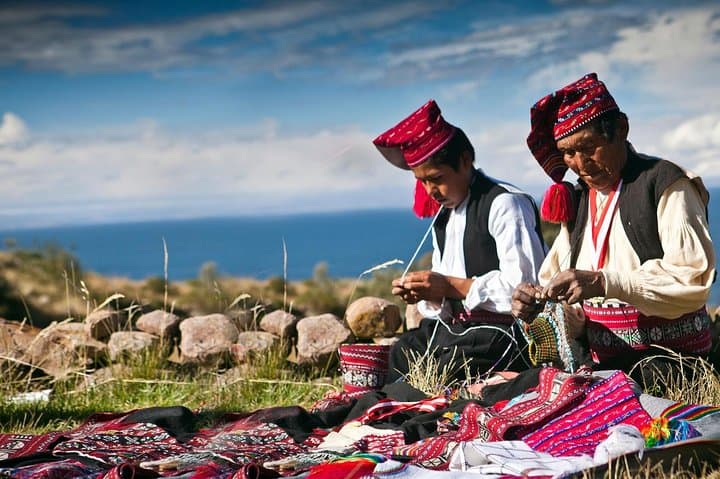
The lake itself is an Andean highland basin carved by geological uplift and glacial scouring; its surface sits at roughly 3,800 meters, shaping local livelihood for millennia. The Uros people maintain pre-Incan reed-island techniques, while Taquile Island preserves textile practices that UNESCO recognizes as intangible cultural heritage. Walking up Taquile’s stone paths is a study in human adaptation: terraced agriculture, dry-stacked patios, and men and women still weaving with traditional motifs.
Expect a steady uphill walk of about 45 minutes from Taquile’s port to the main plaza, with stone steps and loose gravel in places. Lunch at a local comedor introduces lake trout and quinoa preparations. Practicalities matter here: the altitude can sap energy, sun is intense at midday, and weather shifts quickly from sun to sleet.
Bring layered clothing, sun protection, and water; move deliberately during the hike and allow extra time for photos and cultural exchanges. The day ends as the boat returns you to Puno, the lake stretching wide and flat under a low Andean sky—quiet, open, and stubbornly alive.
moderate.
6 hours.
Moderate fitness: able to walk uphill for 45 minutes at altitude and manage multiple boat transfers.
About 20–30 minutes from Puno’s pier, depending on weather and exact boarding point.
It’s a steady uphill walk of roughly 45 minutes on stone steps and trails—no technical climbing gear required.
Basic facilities exist at main stops and on larger tour boats; expect simple, sometimes rustic toilets on islands.
Yes—textiles are sold by local cooperatives; buying directly supports households but check quality and agreed prices.
The Uros reed islands predate Inca expansion and were historically used as defensive refuges; Taquile’s weaving traces textile techniques back to pre-Columbian Andean cultures.
Totora harvesting and tourism both impact the lake; choose operators who support sustainable reed management and buy crafts from certified local groups.
Lake Titicaca Trips operates guided outdoor trips and adventures with an emphasis on safety, stewardship, and memorable experiences.
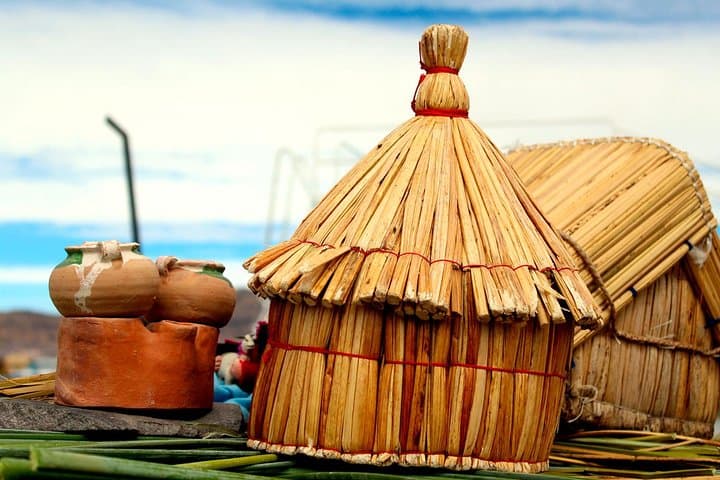
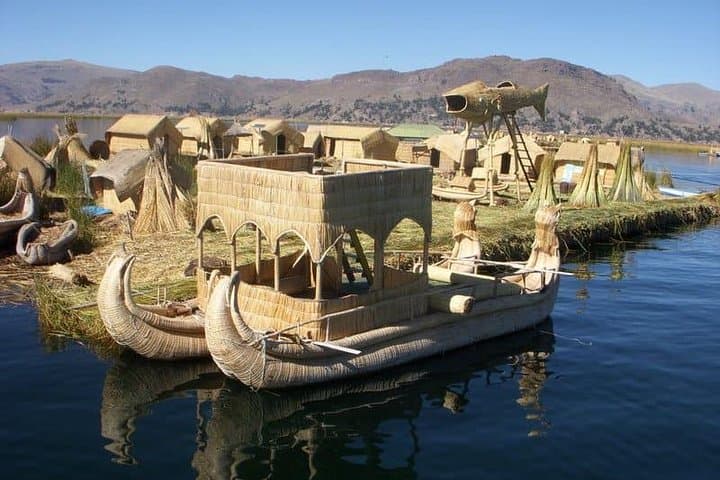
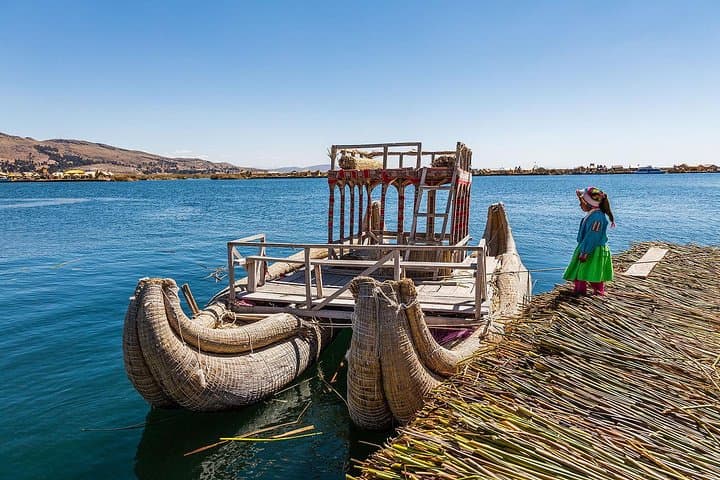
A grey morning light spreads across Lake Titicaca as the motorboat slides away from Puno’s pier, the water pushing and whispering against the hull. Within 25 minutes the horizon changes—small reed mounds rise, and figures emerge to greet visitors on islands built from totora. The guide moves between groups, explaining reed layering while island chiefs demonstrate how houses and boats are lashed together.
A grey morning light spreads across Lake Titicaca as the motorboat slides away from Puno’s pier, the water pushing and whispering against the hull. Within 25 minutes the horizon changes—small reed mounds rise, and figures emerge to greet visitors on islands built from totora. The guide moves between groups, explaining reed layering while island chiefs demonstrate how houses and boats are lashed together.
The lake itself is an Andean highland basin carved by geological uplift and glacial scouring; its surface sits at roughly 3,800 meters, shaping local livelihood for millennia. The Uros people maintain pre-Incan reed-island techniques, while Taquile Island preserves textile practices that UNESCO recognizes as intangible cultural heritage. Walking up Taquile’s stone paths is a study in human adaptation: terraced agriculture, dry-stacked patios, and men and women still weaving with traditional motifs.
Expect a steady uphill walk of about 45 minutes from Taquile’s port to the main plaza, with stone steps and loose gravel in places. Lunch at a local comedor introduces lake trout and quinoa preparations. Practicalities matter here: the altitude can sap energy, sun is intense at midday, and weather shifts quickly from sun to sleet.
Bring layered clothing, sun protection, and water; move deliberately during the hike and allow extra time for photos and cultural exchanges. The day ends as the boat returns you to Puno, the lake stretching wide and flat under a low Andean sky—quiet, open, and stubbornly alive.