THE ADVENTURE COLLECTIVE® · Independent discovery and booking for outdoor travel

Drive Kotor’s panoramic roads to Lake Skadar for organic winery visits, amphora wines, and a farm‑to‑table lunch in a 300‑year‑old stone house. This 5–6 hour tour blends history, wetland views, and regional flavors.
Drive Kotor’s panoramic roads to Lake Skadar for organic winery visits, amphora wines, and a farm‑to‑table lunch in a 300‑year‑old stone house. This 5–6 hour tour blends history, wetland views, and regional flavors.
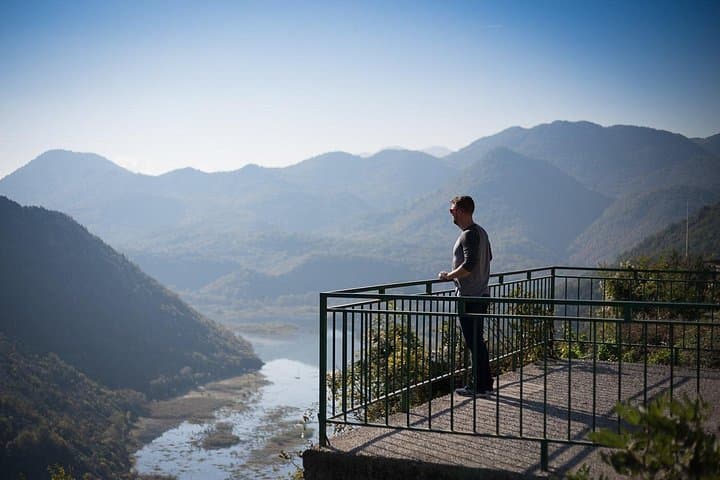
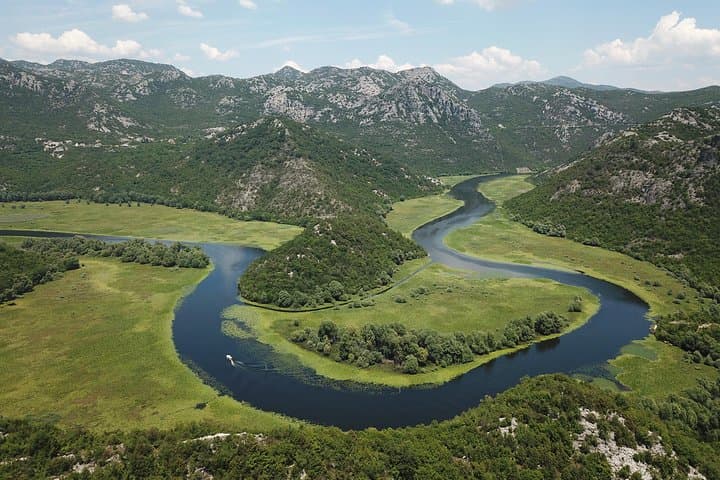
The coach peels away from Kotor’s old stone gate and the road climbs; the Bay of Kotor shrinks into a mosaic of rooftops and water. Sharp hairpins open onto long views before you drop down toward the reed-lined edges of Lake Skadar, where slow rivers braid into wide lagoons and the air smells faintly of thyme and river mud.
Verified experiences and guided adventures in the surrounding area.
Operated by Feel Montenegro by 3e Travel · Rijeka Crnojevića, Montenegro
The coach peels away from Kotor’s old stone gate and the road climbs; the Bay of Kotor shrinks into a mosaic of rooftops and water. Sharp hairpins open onto long views before you drop down toward the reed-lined edges of Lake Skadar, where slow rivers braid into wide lagoons and the air smells faintly of thyme and river mud.
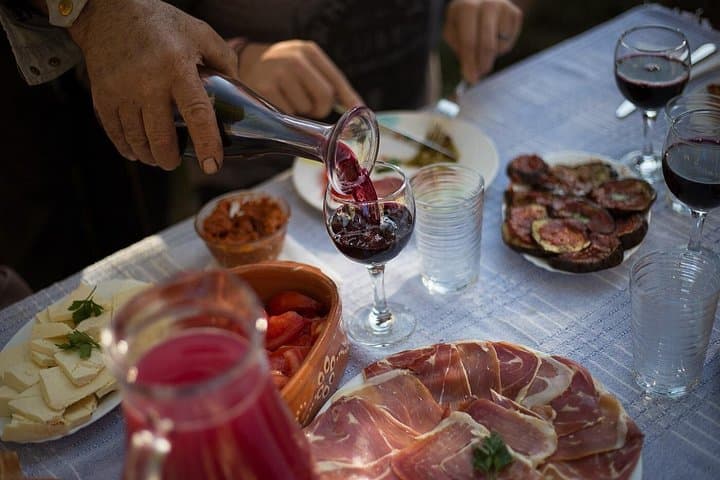
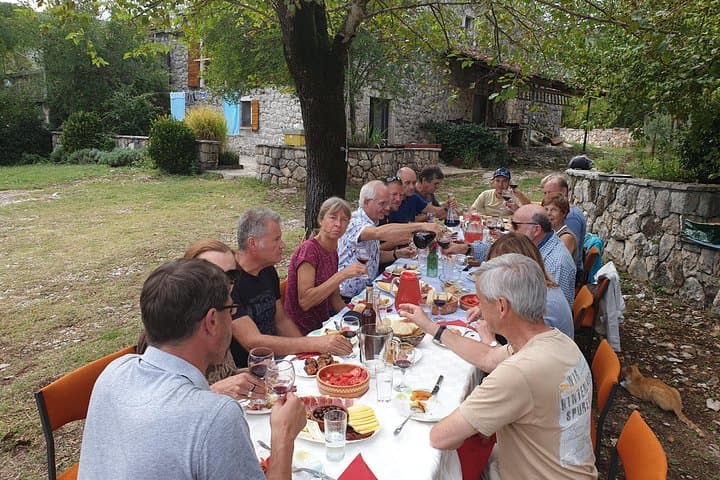
This day tour threads history and terroir. You pass Cetinje’s 19th‑century mansions—once the royal capital—then roll through villages that grew around fishing and olive cultivation. Geology here is karst: limestone ridges worn to rounded plateaus, cliffs giving way to fertile river valleys feeding the lake’s wetlands. The winery visit centers on organic and amphora methods in a 300‑year‑old stone house; owners will show you cellars, presses, and a philosophy that blends old techniques with biodynamic practice. Along the way, local dishes—Njeguški prosciutto, cheese, stuffed peppers, lake fish—make the landscape edible, pairing regional grapes with the salt and herb notes of Skadar.
Practicalities are simple: expect a 5–6 hour outing with mostly seated transport and about 30–60 minutes of light walking at viewpoints and the vineyard. Wear closed‑toe shoes for uneven cellar floors, bring layered clothing for coastal breezes, and carry a small bottle of water. Photography windows are frequent—Pavlova Strana and the riverside at Rijeka Crnojevića offer best light late afternoon. For food and wine lovers, this is a grounded, sensory primer to Montenegro’s inland coast—part cultural primer, part slow‑food tasting.
easy.
5–6 hours.
Suitable for most fitness levels; minimal walking and no steep hikes, but participants should be able to stand and walk short distances.
The meeting point is the Sea Gate in front of Kotor Old Town; the tour returns to the same location at the end of the day.
Yes—tastings of local, often organic varieties are included at the family winery, paired with regional foods.
Yes; infants can sit in laps and strollers are accessible. The itinerary involves mostly seated transport and short, easy walks.
Local hosts typically can accommodate common dietary needs with advance notice—indicate restrictions when booking.
Lake Skadar has long been a frontier between coastal and inland cultures; nearby Cetinje served as Montenegro’s royal capital in the 19th century, shaping local architecture and gastronomic traditions.
Lake Skadar is a protected wetland with important bird habitats—stay on paths, avoid disturbing nesting birds, and support local producers practicing sustainable agriculture.
Feel Montenegro by 3e Travel operates guided outdoor trips and adventures with an emphasis on safety, stewardship, and memorable experiences.
The coach peels away from Kotor’s old stone gate and the road climbs; the Bay of Kotor shrinks into a mosaic of rooftops and water. Sharp hairpins open onto long views before you drop down toward the reed-lined edges of Lake Skadar, where slow rivers braid into wide lagoons and the air smells faintly of thyme and river mud.
The coach peels away from Kotor’s old stone gate and the road climbs; the Bay of Kotor shrinks into a mosaic of rooftops and water. Sharp hairpins open onto long views before you drop down toward the reed-lined edges of Lake Skadar, where slow rivers braid into wide lagoons and the air smells faintly of thyme and river mud.
This day tour threads history and terroir. You pass Cetinje’s 19th‑century mansions—once the royal capital—then roll through villages that grew around fishing and olive cultivation. Geology here is karst: limestone ridges worn to rounded plateaus, cliffs giving way to fertile river valleys feeding the lake’s wetlands. The winery visit centers on organic and amphora methods in a 300‑year‑old stone house; owners will show you cellars, presses, and a philosophy that blends old techniques with biodynamic practice. Along the way, local dishes—Njeguški prosciutto, cheese, stuffed peppers, lake fish—make the landscape edible, pairing regional grapes with the salt and herb notes of Skadar.
Practicalities are simple: expect a 5–6 hour outing with mostly seated transport and about 30–60 minutes of light walking at viewpoints and the vineyard. Wear closed‑toe shoes for uneven cellar floors, bring layered clothing for coastal breezes, and carry a small bottle of water. Photography windows are frequent—Pavlova Strana and the riverside at Rijeka Crnojevića offer best light late afternoon. For food and wine lovers, this is a grounded, sensory primer to Montenegro’s inland coast—part cultural primer, part slow‑food tasting.