THE ADVENTURE COLLECTIVE® · Independent discovery and booking for outdoor travel

Board a traditional wooden boat in Virpazar at first light and glide through reedbeds to photograph herons, cormorants and the rare Dalmatian pelican. This early-morning two-hour tour highlights Lake Skadar’s rich birdlife and lakeside history.
Board a traditional wooden boat in Virpazar at first light and glide through reedbeds to photograph herons, cormorants and the rare Dalmatian pelican. This early-morning two-hour tour highlights Lake Skadar’s rich birdlife and lakeside history.
Dawn lifts off the water like a slow exhale as the wooden boat slips from Virpazar’s tiny quay and into the reeds. The guide nudges the throttle; reeds part and a corridor of glassy water opens. Light finds the wings first — herons standing like statues, cormorants skimming low, and sometimes the bulk of a Dalmatian pelican rising with a soft thunder.
Verified experiences and guided adventures in the surrounding area.
Operated by Kingfisher · Virpazar, Bar Municipality
Dawn lifts off the water like a slow exhale as the wooden boat slips from Virpazar’s tiny quay and into the reeds. The guide nudges the throttle; reeds part and a corridor of glassy water opens. Light finds the wings first — herons standing like statues, cormorants skimming low, and sometimes the bulk of a Dalmatian pelican rising with a soft thunder.
Lake Skadar is Europe's largest lake by surface area in the Balkans, carved in karst bedrock and fed by mountain rivers such as the Morača. Lesendro Fortress, a stone remnant on a small island, speaks to Ottoman and Venetian eras when control of the lake mattered for trade and security. Local fishing culture still shapes daily life in Virpazar: skiffs, nets, and family-run smokehouses dot the shoreline.
This two-hour tour focuses on wildlife photography and birdwatching, cruising roughly 8–12 km through reedbeds, river mouths and open water. Expect low elevation change (boat deck only), calm early-morning light, and concentrated bird activity in spring and autumn migrations.
Practical notes: meet in Virpazar; transfers and parking are not provided. Guides supply life vests and multilingual notes; bring binoculars, a telephoto lens or long prime, sunscreen and a small waterproof bag for gear. Motion-sensitive photographers should take precautions for stability and shutter speed to freeze wingbeats.
Timing is everything: mornings are coolest and most active for birds, while late spring brings the best chance for pelican sightings. Respect nesting areas, keep noise low, and let the lake do the talking — it often rewards patience with scenes that refuse to be rushed.
easy.
2 hours.
Suitable for most fitness levels; boarding a low boat and short periods standing or seated are required.
The meeting point is Virpazar village on the lake shore; the tour departs from the main quay — check your booking confirmation for exact pick-up instructions.
Yes — life vests and basic safety equipment are supplied for all passengers and mandatory during the cruise.
Pelican sightings are common but not guaranteed; spring and autumn migrations increase chances, while luck and quiet approach help.
Yes — the activity is rated easy; infants can ride in strollers before boarding but must sit on an adult’s lap on the boat.
The lake’s shoreline bears marks of Ottoman and Venetian contests for control; fishing has been a livelihood here for centuries and shapes local cuisine and customs.
Skadar Lake is a designated national park and Important Bird Area; visitors are asked to observe quiet viewing practices and avoid disturbing nesting sites to support conservation efforts.
Kingfisher operates guided outdoor trips and adventures with an emphasis on safety, stewardship, and memorable experiences.
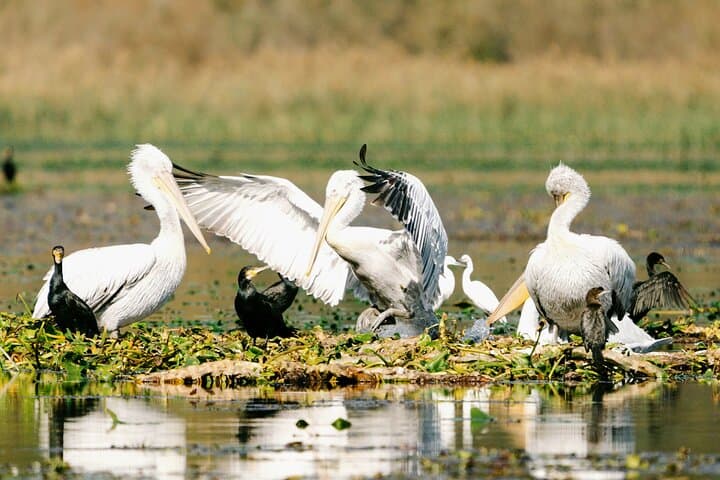
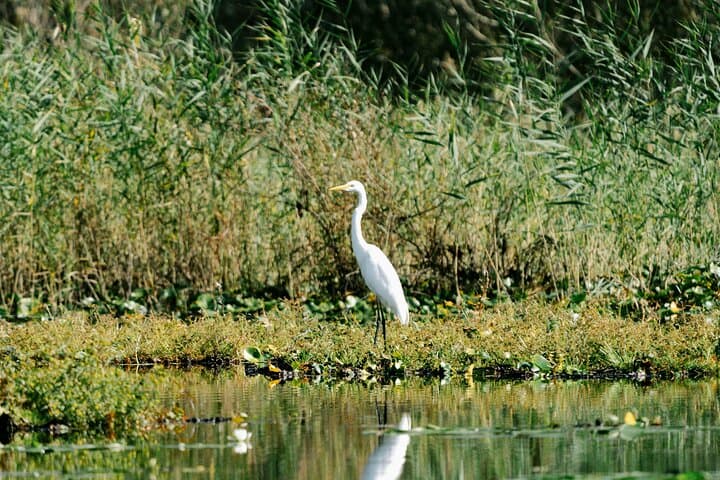
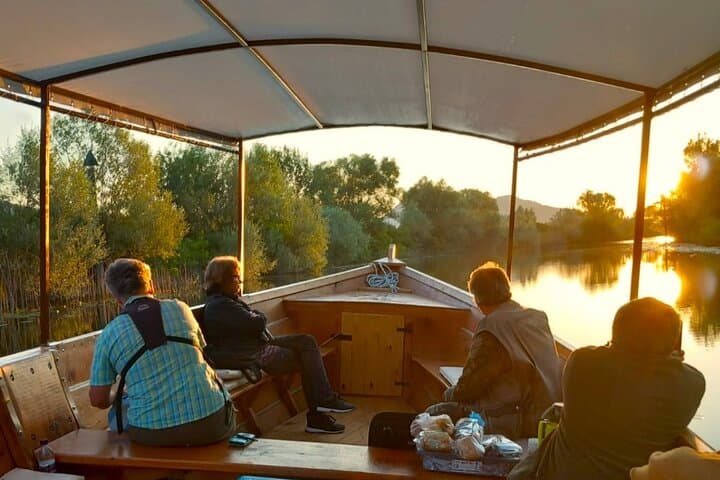
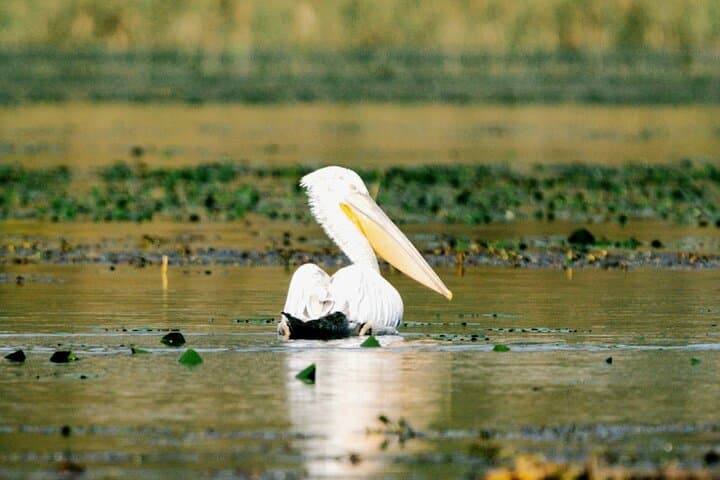
Dawn lifts off the water like a slow exhale as the wooden boat slips from Virpazar’s tiny quay and into the reeds. The guide nudges the throttle; reeds part and a corridor of glassy water opens. Light finds the wings first — herons standing like statues, cormorants skimming low, and sometimes the bulk of a Dalmatian pelican rising with a soft thunder.
Dawn lifts off the water like a slow exhale as the wooden boat slips from Virpazar’s tiny quay and into the reeds. The guide nudges the throttle; reeds part and a corridor of glassy water opens. Light finds the wings first — herons standing like statues, cormorants skimming low, and sometimes the bulk of a Dalmatian pelican rising with a soft thunder.
Lake Skadar is Europe's largest lake by surface area in the Balkans, carved in karst bedrock and fed by mountain rivers such as the Morača. Lesendro Fortress, a stone remnant on a small island, speaks to Ottoman and Venetian eras when control of the lake mattered for trade and security. Local fishing culture still shapes daily life in Virpazar: skiffs, nets, and family-run smokehouses dot the shoreline.
This two-hour tour focuses on wildlife photography and birdwatching, cruising roughly 8–12 km through reedbeds, river mouths and open water. Expect low elevation change (boat deck only), calm early-morning light, and concentrated bird activity in spring and autumn migrations.
Practical notes: meet in Virpazar; transfers and parking are not provided. Guides supply life vests and multilingual notes; bring binoculars, a telephoto lens or long prime, sunscreen and a small waterproof bag for gear. Motion-sensitive photographers should take precautions for stability and shutter speed to freeze wingbeats.
Timing is everything: mornings are coolest and most active for birds, while late spring brings the best chance for pelican sightings. Respect nesting areas, keep noise low, and let the lake do the talking — it often rewards patience with scenes that refuse to be rushed.