THE ADVENTURE COLLECTIVE® · Independent discovery and booking for outdoor travel

Experience high‑altitude Lake Sevan, forested walks around Dilijan and centuries‑old monasteries in Lori on a two‑day route that pairs scenic drives with short hikes and rich medieval architecture. Practical advice for footwear, layers, and modest dress helps you focus on the views.
Experience high‑altitude Lake Sevan, forested walks around Dilijan and centuries‑old monasteries in Lori on a two‑day route that pairs scenic drives with short hikes and rich medieval architecture. Practical advice for footwear, layers, and modest dress helps you focus on the views.
A cold wind off Lake Sevan presses against the peninsula and carries the smell of mineral water and pine. You step from an air-conditioned van onto black tuff steps at Sevanavank, the lake stretching high and slow at nearly 1,900 meters—its surface daring you to pause and take the panorama in. Over two days the route threads forested ridges east to Dilijan’s walking trails, then north into Lori’s high plateaus where stone monasteries keep watch.
Verified experiences and guided adventures in the surrounding area.
Operated by Land of Noah Travel Agency · Dilijan, Tavush
A cold wind off Lake Sevan presses against the peninsula and carries the smell of mineral water and pine. You step from an air-conditioned van onto black tuff steps at Sevanavank, the lake stretching high and slow at nearly 1,900 meters—its surface daring you to pause and take the panorama in. Over two days the route threads forested ridges east to Dilijan’s walking trails, then north into Lori’s high plateaus where stone monasteries keep watch.
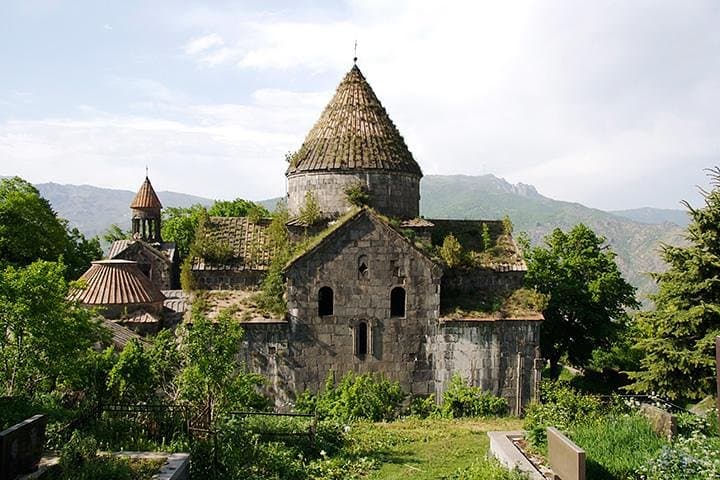
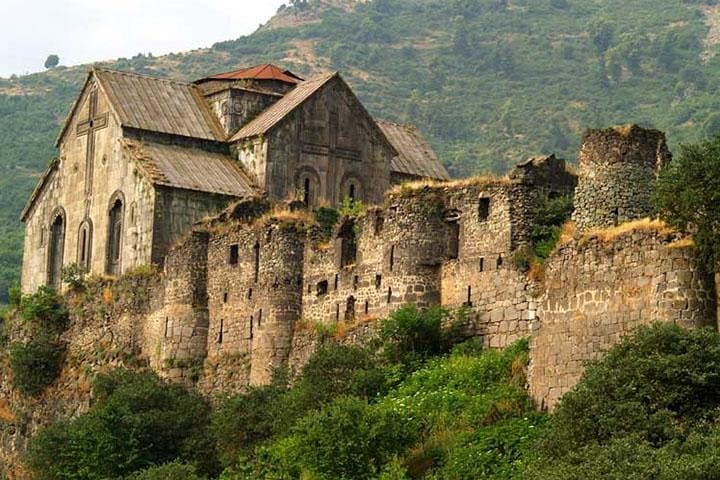
The drive follows volcanic geology—lava-derived tuffs that local builders carved into buttresses and khachkars (carved crosses). Haghpat and Sanahin, 10th–13th century complexes, show how medieval Armenian architecture adapted to steep valleys; Akhtala’s fortress walls hold frescoes painted in ochres that survive the mountain’s dry winters.
Culture here is quiet and practical: spa towns turned hiking hubs, artisans in Dilijan, and shepherded alpine meadows that change color with the season. Expect forest paths, stone staircases, short uphill sections and paved approach roads between sites—daily drives of roughly 1.5–3 hours depending on stops.
Practical edge: pack layers for high-altitude wind and shade for lake sun. Wear shoes with good traction for monastery steps and forest trails; modest clothing is required inside churches. Cash can help for small donations or snacks in villages. The trip balances easy walking with periods seated in the van—bring water, comfortable knees, and curiosity. With moderate fitness you’ll move from lakeshore to ridge and into centuries of carved stone without technical gear, but with a clear sense of Armenia’s geology, faith, and rural pace.
moderate.
2 days (approx. 48 hours).
Moderate—comfortable walking for 1–3 miles at a time, able to climb stone steps and manage short uphill sections.
Yes—transport by air‑conditioned vehicle with hotel pickup and drop‑off is included in the tour.
Most monasteries are viewed from courtyards without formal entrance fees, though small donations or fees for special museum sections may apply locally and are usually not included.
Expect short walks and stair climbs at each site—nothing technical, but a moderate fitness level is recommended for repeated climbs and uneven surfaces.
Families can join, but those with limited mobility may find stone steps and uneven ground challenging—check accessibility before booking.
Haghpat and Sanahin are 10th–13th century monastic complexes that illustrate medieval Armenian religious architecture and were linked to regional scholarly centers.
Lake Sevan’s shoreline and alpine meadows are ecologically sensitive—stay on trails, avoid littering, and respect local restrictions to protect water quality and native flora.
Land of Noah Travel Agency operates guided outdoor trips and adventures with an emphasis on safety, stewardship, and memorable experiences.
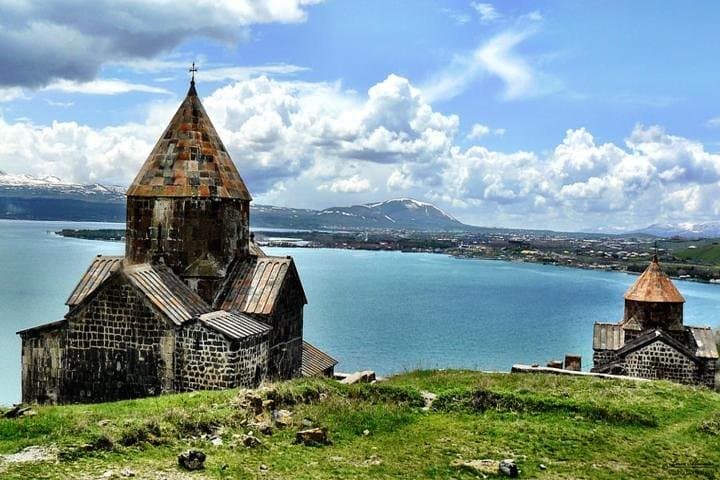
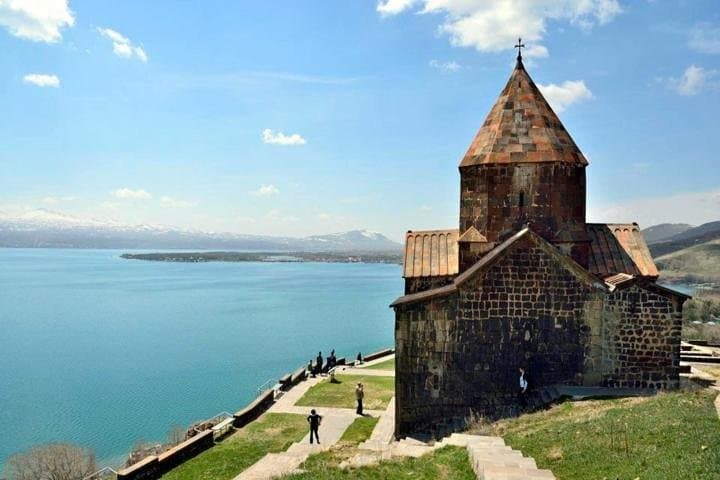
A cold wind off Lake Sevan presses against the peninsula and carries the smell of mineral water and pine. You step from an air-conditioned van onto black tuff steps at Sevanavank, the lake stretching high and slow at nearly 1,900 meters—its surface daring you to pause and take the panorama in. Over two days the route threads forested ridges east to Dilijan’s walking trails, then north into Lori’s high plateaus where stone monasteries keep watch.
A cold wind off Lake Sevan presses against the peninsula and carries the smell of mineral water and pine. You step from an air-conditioned van onto black tuff steps at Sevanavank, the lake stretching high and slow at nearly 1,900 meters—its surface daring you to pause and take the panorama in. Over two days the route threads forested ridges east to Dilijan’s walking trails, then north into Lori’s high plateaus where stone monasteries keep watch.
The drive follows volcanic geology—lava-derived tuffs that local builders carved into buttresses and khachkars (carved crosses). Haghpat and Sanahin, 10th–13th century complexes, show how medieval Armenian architecture adapted to steep valleys; Akhtala’s fortress walls hold frescoes painted in ochres that survive the mountain’s dry winters.
Culture here is quiet and practical: spa towns turned hiking hubs, artisans in Dilijan, and shepherded alpine meadows that change color with the season. Expect forest paths, stone staircases, short uphill sections and paved approach roads between sites—daily drives of roughly 1.5–3 hours depending on stops.
Practical edge: pack layers for high-altitude wind and shade for lake sun. Wear shoes with good traction for monastery steps and forest trails; modest clothing is required inside churches. Cash can help for small donations or snacks in villages. The trip balances easy walking with periods seated in the van—bring water, comfortable knees, and curiosity. With moderate fitness you’ll move from lakeshore to ridge and into centuries of carved stone without technical gear, but with a clear sense of Armenia’s geology, faith, and rural pace.