THE ADVENTURE COLLECTIVE® · Independent discovery and booking for outdoor travel

A full-day escape from Nairobi to Lake Nakuru delivers towering escarpments, flamingo-fed flats and resident rhinos. This practical guide outlines what to see, how to time your visit, and what gear will make the day comfortable and safe.
A full-day escape from Nairobi to Lake Nakuru delivers towering escarpments, flamingo-fed flats and resident rhinos. This practical guide outlines what to see, how to time your visit, and what gear will make the day comfortable and safe.
You arrive before the sun fully clears the Rift Valley escarpment and the lake lies flat, a pale mirror fringed in pink. Flamingos edge the shallows in a slow, living tide while distant kopjes throw long shadows across scrub and grass. The day unfolds as a rolling, vehicle-led exploration: lakeshore lookouts, patches of acacia wood, and the low cliffs that mark the western escarpment.
Verified experiences and guided adventures in the surrounding area.
Operated by Tour Operator Kenya · Nakuru, Nakuru County
You arrive before the sun fully clears the Rift Valley escarpment and the lake lies flat, a pale mirror fringed in pink. Flamingos edge the shallows in a slow, living tide while distant kopjes throw long shadows across scrub and grass. The day unfolds as a rolling, vehicle-led exploration: lakeshore lookouts, patches of acacia wood, and the low cliffs that mark the western escarpment.
Lake Nakuru sits on the floor of the Great Rift Valley and was designated a national park in 1961 to protect its unique birdlife and resident black rhino populations. Geologically, the shallow alkaline lake collects nutrients from surrounding ridges, feeding algal blooms that attract millions of flamingos. The park’s cultural backdrop includes local Kenyan communities—Nakuru town grew as an agricultural and rail hub—whose markets supply the picnic lunches you’ll likely enjoy after a morning of viewing.
Expect paved and graded dirt roads, short roadside walks, and regular game-drive stops rather than long hikes; elevation sits around 1,750 m so the air is crisp even in midday. Wildlife highlights extend beyond the pink spectacle: look for black rhino, waterbuck, giraffe and tree-dwelling pythons among woodlands.
Practical guidance: aim for early morning or late afternoon light for best bird activity and cooler game viewing. Bring binoculars, layered sun protection, a refillable water bottle and a camera with a telephoto lens. Stay in your vehicle during game drives, follow ranger direction, and keep noise low—this preserves sightings and safeguards animals. With basic preparation, a full-day visit delivers concentrated Rift Valley scenery and some of East Africa’s most dramatic birdlife.
easy.
6–8 hours.
Suitable for most fitness levels; limited walking required from vehicle to viewpoints
Door-to-door travel is typically 2–3 hours each way depending on traffic; expect a full 6–8 hour day including drives and a lunch stop in Nakuru town.
This tour includes the park fee and lunch as part of the excursion—confirm any additional personal expenses before booking.
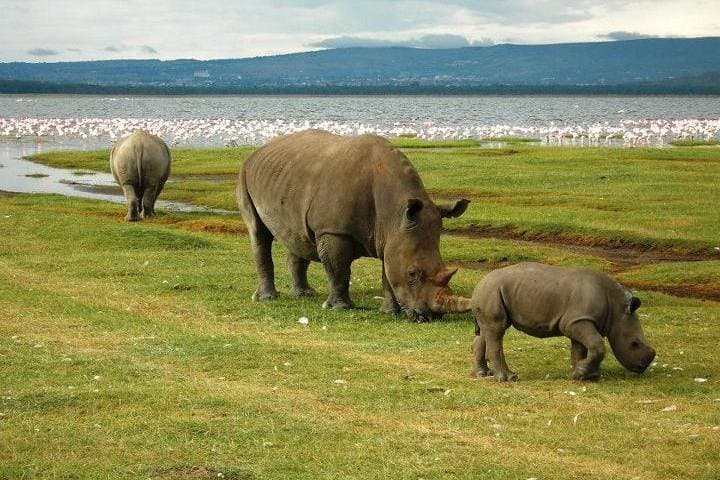
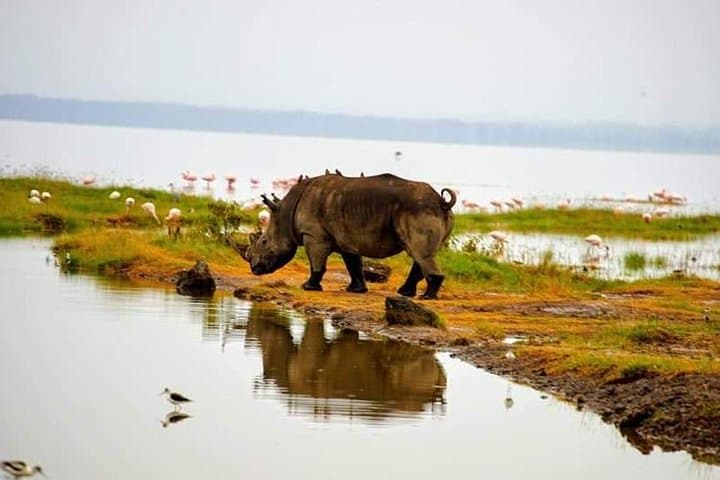
Flamingos are highly likely, though their numbers vary with water chemistry; rhino sightings are possible but not guaranteed—early and late game drives improve chances.
Yes; infants must sit on an adult’s lap during transit. The tour is rated easy and suitable for most ages, but follow ranger instructions around wildlife.
Lake Nakuru National Park was established in 1961 to protect critical bird habitats and threatened rhino populations on the Rift Valley floor.
The park operates anti-poaching and rhino protection programs; visitors should stick to roads, avoid littering, and support licensed guides to minimize disturbance.
Tour Operator Kenya operates guided outdoor trips and adventures with an emphasis on safety, stewardship, and memorable experiences.
You arrive before the sun fully clears the Rift Valley escarpment and the lake lies flat, a pale mirror fringed in pink. Flamingos edge the shallows in a slow, living tide while distant kopjes throw long shadows across scrub and grass. The day unfolds as a rolling, vehicle-led exploration: lakeshore lookouts, patches of acacia wood, and the low cliffs that mark the western escarpment.
You arrive before the sun fully clears the Rift Valley escarpment and the lake lies flat, a pale mirror fringed in pink. Flamingos edge the shallows in a slow, living tide while distant kopjes throw long shadows across scrub and grass. The day unfolds as a rolling, vehicle-led exploration: lakeshore lookouts, patches of acacia wood, and the low cliffs that mark the western escarpment.
Lake Nakuru sits on the floor of the Great Rift Valley and was designated a national park in 1961 to protect its unique birdlife and resident black rhino populations. Geologically, the shallow alkaline lake collects nutrients from surrounding ridges, feeding algal blooms that attract millions of flamingos. The park’s cultural backdrop includes local Kenyan communities—Nakuru town grew as an agricultural and rail hub—whose markets supply the picnic lunches you’ll likely enjoy after a morning of viewing.
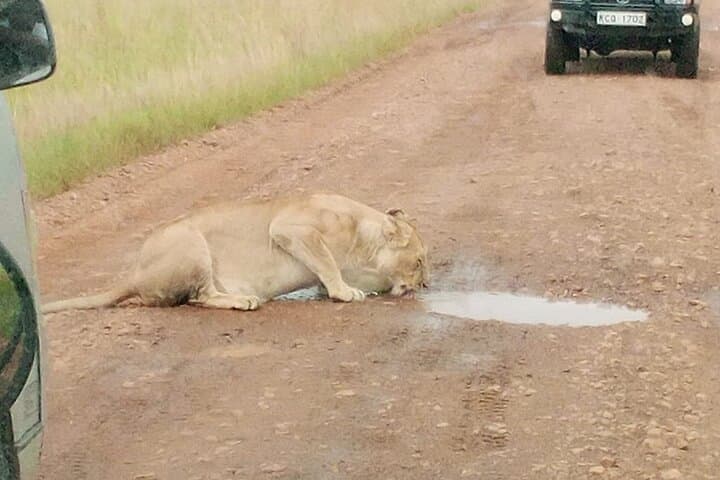
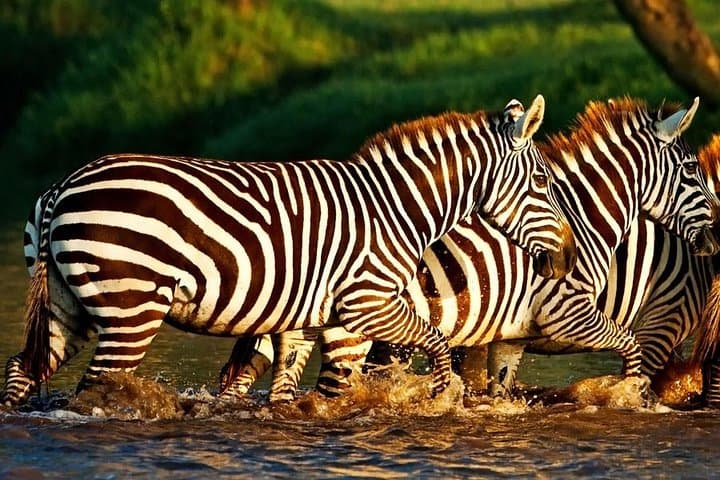
Expect paved and graded dirt roads, short roadside walks, and regular game-drive stops rather than long hikes; elevation sits around 1,750 m so the air is crisp even in midday. Wildlife highlights extend beyond the pink spectacle: look for black rhino, waterbuck, giraffe and tree-dwelling pythons among woodlands.
Practical guidance: aim for early morning or late afternoon light for best bird activity and cooler game viewing. Bring binoculars, layered sun protection, a refillable water bottle and a camera with a telephoto lens. Stay in your vehicle during game drives, follow ranger direction, and keep noise low—this preserves sightings and safeguards animals. With basic preparation, a full-day visit delivers concentrated Rift Valley scenery and some of East Africa’s most dramatic birdlife.