THE ADVENTURE COLLECTIVE® · Independent discovery and booking for outdoor travel

Take a full-day coach loop from Akureyri port to Lake Mývatn and Goðafoss. This six-hour outing pairs dramatic waterfalls, lava formations and steaming fumaroles with easy walking and guided stops.
Take a full-day coach loop from Akureyri port to Lake Mývatn and Goðafoss. This six-hour outing pairs dramatic waterfalls, lava formations and steaming fumaroles with easy walking and guided stops.
A low hum of diesel and the squeal of bus tires frame the start as Akureyri’s port shrugs off the heat of tourists and opens onto the raw country beyond. The coach eases north and east, windows framing a landscape that alternates between tundra, lava, and sudden water—each element moving with its own intent. Goðafoss appears first: the river pushes over basalt lips, water throwing itself into the gorge below.
Verified experiences and guided adventures in the surrounding area.
Operated by Saga Travel · Akureyri, Northeastern Region
A low hum of diesel and the squeal of bus tires frame the start as Akureyri’s port shrugs off the heat of tourists and opens onto the raw country beyond. The coach eases north and east, windows framing a landscape that alternates between tundra, lava, and sudden water—each element moving with its own intent. Goðafoss appears first: the river pushes over basalt lips, water throwing itself into the gorge below.
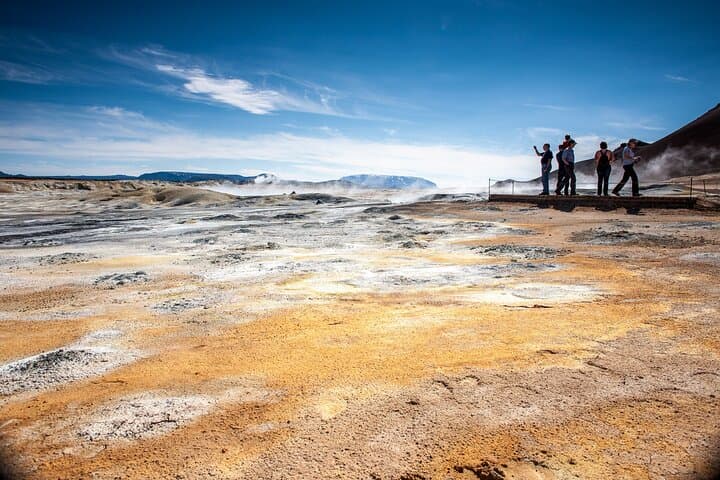
This route threads through centuries of geology and saga. Goðafoss—“Waterfall of the Gods”—is linked in local memory to Iceland’s conversion to Christianity around the year 1000, while the Mývatn basin is a young volcanic playground carved by eruptions and magma-sculpted lakeshore. Dimmuborgir’s spiky lava walls read like folklore in stone; steam vents at Hverir remind travelers that the earth here is still very much active.
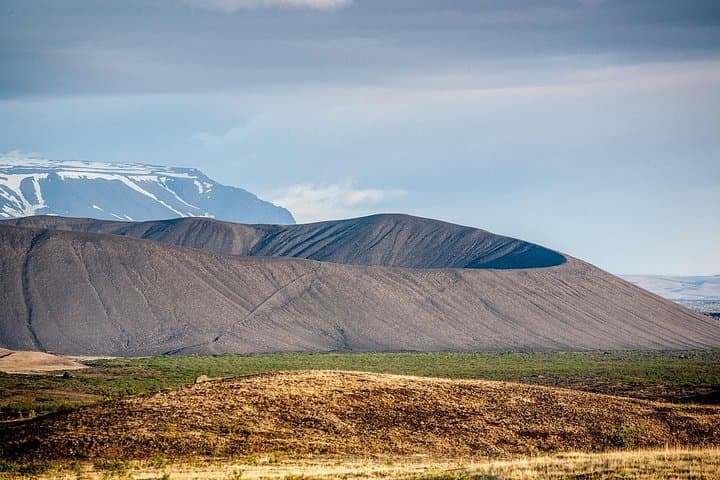
Culturally, the region is farm and fishing village, where simple turf and turf-roofed histories meet modern birdwatchers and photographers. Expect interpretive stops: crater viewpoints at Skútustaðir, the mythic lava castles of Dimmuborgir, and steaming fumaroles at Hverir, each offering short walks and photo opportunities.
Practicalities are straightforward: the tour is a 6-hour coach loop from Akureyri port with restroom breaks and a stop that includes a hot drink and local treat. Trails are short but uneven; pack windproof layers, sturdy footwear, and a camera with extra batteries. Most travelers will find the pace relaxed, but timing is firm—return to port at least an hour before ship departure.
easy.
6 hours.
Suitable for most fitness levels; involves short, easy to moderate walks (10–50 minutes) at viewpoints.
Meet at the Saga Travel hut at Tangabryggja in the main port; if your ship docks at Oddeyrarbryggja staff will meet you outside the vessel and guide you to the meeting point.
Yes—walking at stops is short and optional, but path surfaces can be uneven; inform the operator of special requirements when booking.
Admission is generally not required at the outdoor sites; the tour includes snacks and a hot drink at Hotel Goðafoss and all fees and taxes listed in the itinerary.
Tours may be canceled for safety; the cancellation policy allows a full refund if you cancel at least 24 hours prior or if the operator cancels due to weather.
Goðafoss is tied to Iceland’s conversion to Christianity circa 1000 AD, and Dimmuborgir formed from a lagoon of lava about 2,300 years ago—both sites link geology with saga-era memory.
Mývatn’s wetlands host breeding waterfowl; stick to marked trails, pack out waste, and avoid disturbing nesting birds and fragile geothermal crusts.
Saga Travel operates guided outdoor trips and adventures with an emphasis on safety, stewardship, and memorable experiences.
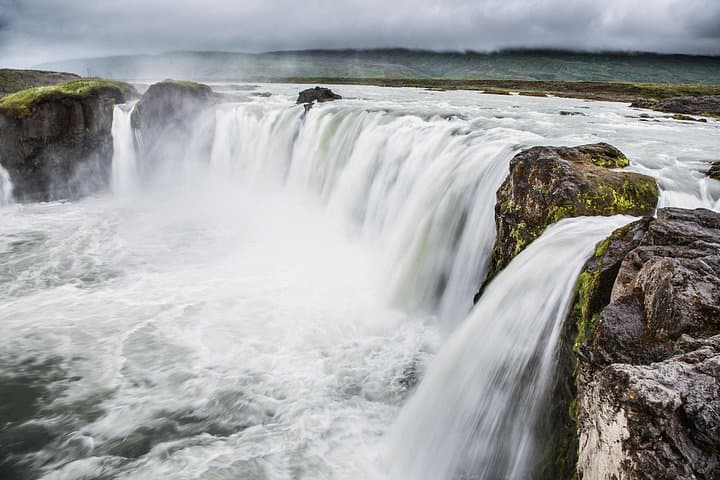
A low hum of diesel and the squeal of bus tires frame the start as Akureyri’s port shrugs off the heat of tourists and opens onto the raw country beyond. The coach eases north and east, windows framing a landscape that alternates between tundra, lava, and sudden water—each element moving with its own intent. Goðafoss appears first: the river pushes over basalt lips, water throwing itself into the gorge below.
A low hum of diesel and the squeal of bus tires frame the start as Akureyri’s port shrugs off the heat of tourists and opens onto the raw country beyond. The coach eases north and east, windows framing a landscape that alternates between tundra, lava, and sudden water—each element moving with its own intent. Goðafoss appears first: the river pushes over basalt lips, water throwing itself into the gorge below.
This route threads through centuries of geology and saga. Goðafoss—“Waterfall of the Gods”—is linked in local memory to Iceland’s conversion to Christianity around the year 1000, while the Mývatn basin is a young volcanic playground carved by eruptions and magma-sculpted lakeshore. Dimmuborgir’s spiky lava walls read like folklore in stone; steam vents at Hverir remind travelers that the earth here is still very much active.
Culturally, the region is farm and fishing village, where simple turf and turf-roofed histories meet modern birdwatchers and photographers. Expect interpretive stops: crater viewpoints at Skútustaðir, the mythic lava castles of Dimmuborgir, and steaming fumaroles at Hverir, each offering short walks and photo opportunities.
Practicalities are straightforward: the tour is a 6-hour coach loop from Akureyri port with restroom breaks and a stop that includes a hot drink and local treat. Trails are short but uneven; pack windproof layers, sturdy footwear, and a camera with extra batteries. Most travelers will find the pace relaxed, but timing is firm—return to port at least an hour before ship departure.