THE ADVENTURE COLLECTIVE® · Independent discovery and booking for outdoor travel

Spend a focused day in Lake Mburo National Park watching zebras, elands and rich birdlife across acacia-studded grassland and lakeshore. This practical guide shows what to expect, how to prepare, and where the best sightings happen.
Spend a focused day in Lake Mburo National Park watching zebras, elands and rich birdlife across acacia-studded grassland and lakeshore. This practical guide shows what to expect, how to prepare, and where the best sightings happen.
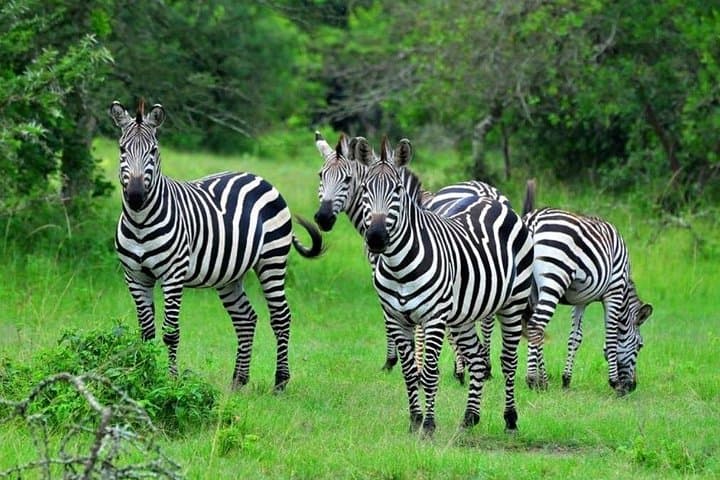
The morning light comes low over scattered acacias and a ribbon of water; zebras lift their heads as your vehicle eases past. A one-day safari in Lake Mburo National Park compresses the park’s rolling savanna, marshy lake edges and woodland into a focused stretch of wildlife viewing — dry rutted tracks, papyrus fringes and open grassland that give way to surprise sightings.
Verified experiences and guided adventures in the surrounding area.
Operated by Freka African Holidays · Mbarara, Western Region
The morning light comes low over scattered acacias and a ribbon of water; zebras lift their heads as your vehicle eases past. A one-day safari in Lake Mburo National Park compresses the park’s rolling savanna, marshy lake edges and woodland into a focused stretch of wildlife viewing — dry rutted tracks, papyrus fringes and open grassland that give way to surprise sightings.
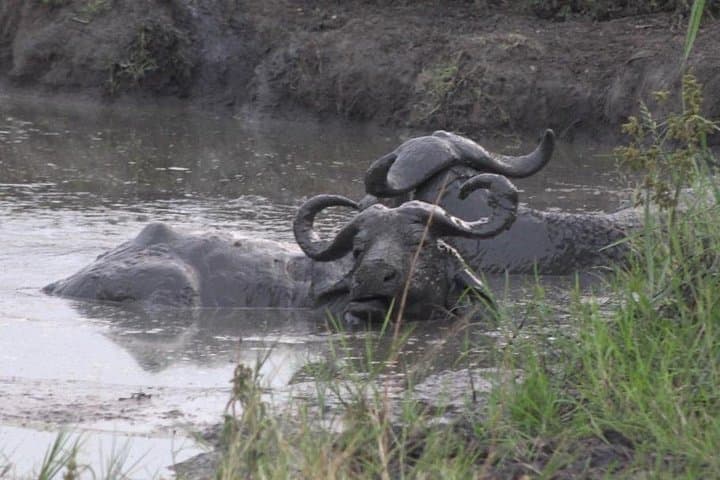
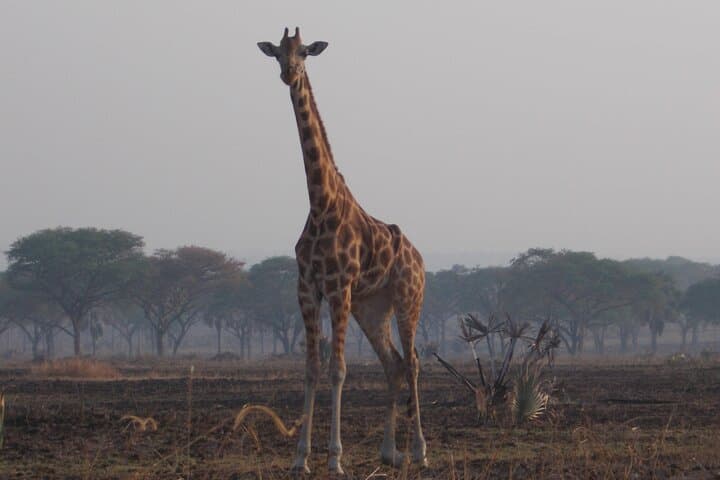
Lake Mburo sits on the western edge of the East African Rift, a compact park of roughly 260 km² with elevations around 1,200–1,400 m. Created as a protected area in the late 20th century, it supports herds of impala, large eland, Burchell’s zebra, buffalo and small giraffe populations, plus hippos in the quieter inlets. Birding is a draw: papyrus-dependent species and African fish eagles are regulars.
Local culture is visible in nearby pastoral landscapes where Banyankole cattle-keeping traditions remain active; guides often weave these observations into the day. Geology shows as low ridges and shallow lakes formed by tectonic tilting and sediment trapping, producing fertile grazing and dense reedbeds.
Practical guidance: expect a full 8–12 hour day if departing Kampala — roughly 3–4 hours each way by road. Game drives use 4x4 tracks with limited walking; bring sun protection, insect repellent, binoculars and a charged camera. Mornings and late afternoons are prime for sightings and cooler light. Respect wildlife by keeping distance, following your guide, and carrying out waste. With focused planning, a single day here delivers concentrated wildlife encounters and rich birdlife without strenuous hiking.
easy.
8–12 hours.
Suitable for most fitness levels — mostly vehicle-based with short, flat walks optional
Driving time is roughly 3–4 hours each way depending on traffic and road conditions; expect an early departure for a same-day return.
Lake Mburo has limited populations of big cats; sightings of lions or leopards are uncommon on single-day visits — the park is best for herbivores and birds.
Yes — the drive-based itinerary involves minimal walking and is listed as suitable for all fitness levels, though infants must sit on laps per operator policy.
This tour includes Lake Mburo National Park entrance fees and local guide services, as noted in the trip inclusions.
Lake Mburo was elevated to national park status in the early 1980s and protects a mosaic of lake, swamp and savanna habitats that supported pastoral communities for generations.
Visitor numbers are managed to limit disturbance; stick to tracks, avoid feeding wildlife and support local guides to ensure revenue remains in nearby communities.
Freka African Holidays operates guided outdoor trips and adventures with an emphasis on safety, stewardship, and memorable experiences.
The morning light comes low over scattered acacias and a ribbon of water; zebras lift their heads as your vehicle eases past. A one-day safari in Lake Mburo National Park compresses the park’s rolling savanna, marshy lake edges and woodland into a focused stretch of wildlife viewing — dry rutted tracks, papyrus fringes and open grassland that give way to surprise sightings.
The morning light comes low over scattered acacias and a ribbon of water; zebras lift their heads as your vehicle eases past. A one-day safari in Lake Mburo National Park compresses the park’s rolling savanna, marshy lake edges and woodland into a focused stretch of wildlife viewing — dry rutted tracks, papyrus fringes and open grassland that give way to surprise sightings.
Lake Mburo sits on the western edge of the East African Rift, a compact park of roughly 260 km² with elevations around 1,200–1,400 m. Created as a protected area in the late 20th century, it supports herds of impala, large eland, Burchell’s zebra, buffalo and small giraffe populations, plus hippos in the quieter inlets. Birding is a draw: papyrus-dependent species and African fish eagles are regulars.
Local culture is visible in nearby pastoral landscapes where Banyankole cattle-keeping traditions remain active; guides often weave these observations into the day. Geology shows as low ridges and shallow lakes formed by tectonic tilting and sediment trapping, producing fertile grazing and dense reedbeds.
Practical guidance: expect a full 8–12 hour day if departing Kampala — roughly 3–4 hours each way by road. Game drives use 4x4 tracks with limited walking; bring sun protection, insect repellent, binoculars and a charged camera. Mornings and late afternoons are prime for sightings and cooler light. Respect wildlife by keeping distance, following your guide, and carrying out waste. With focused planning, a single day here delivers concentrated wildlife encounters and rich birdlife without strenuous hiking.