THE ADVENTURE COLLECTIVE® · Independent discovery and booking for outdoor travel

Step into a working Maasai boma near Lake Manyara where traditional tracking, medicinal plant knowledge, and daily life are shared by community guides. Learn how pastoral knowledge and wildlife coexistence shape life on the edge of the Rift.
Step into a working Maasai boma near Lake Manyara where traditional tracking, medicinal plant knowledge, and daily life are shared by community guides. Learn how pastoral knowledge and wildlife coexistence shape life on the edge of the Rift.
You arrive on a red-dust track and the boma gate opens: children call out in Maa, smoke curls from a cooking hearth, and the landscape slopes toward the pale rim of Lake Manyara. The Maasai guide meets you in traditional shuka, voice steady as they lead you through homestead yards where small gardens and beadwork hang from posts—every object shaped by daily life and seasonal need.
Verified experiences and guided adventures in the surrounding area.
Operated by Swahili Cultural Trails · Mto wa Mbu, Manyara Region
You arrive on a red-dust track and the boma gate opens: children call out in Maa, smoke curls from a cooking hearth, and the landscape slopes toward the pale rim of Lake Manyara. The Maasai guide meets you in traditional shuka, voice steady as they lead you through homestead yards where small gardens and beadwork hang from posts—every object shaped by daily life and seasonal need.
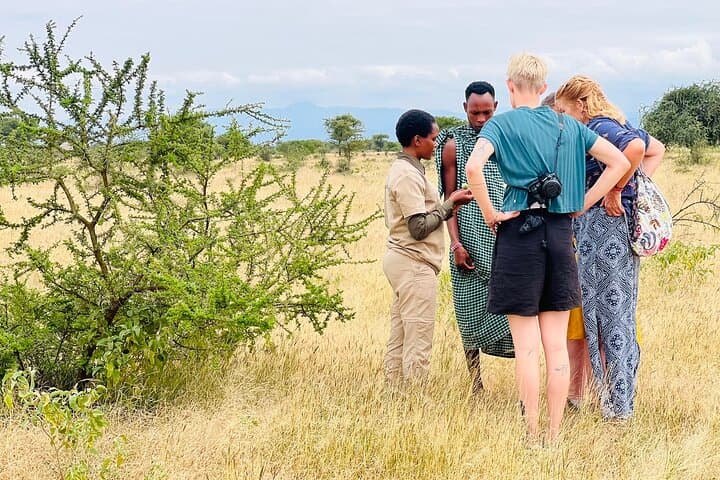
This region sits on the eastern edge of the East African Rift; volcanic soils and shallow groundwater feed a mosaic of lakes, acacia woodland, and irrigated farms. Maasai culture here blends pastoral knowledge with practical ecology: livestock movements mirror seasonal grasses, and medicinal plants are identified by touch and scent. Expect demonstrations of tracking, spear-making stories, and explanations of how the community manages livestock while living alongside wildlife from nearby Lake Manyara National Park.
The visit is intimate and short—typically 1–3 hours—and can be combined with a park drive. Wear closed-toe shoes; paths are uneven and can be dusty. Bring cash (Tanzanian shillings) for local purchases and a modest tip; ask before photographing people. Hydrate and apply sun protection; the sun is strong even when mornings feel cool.
Practical note: tours usually include private tuk‑tuk transport and a bilingual guide who explains customs and answers questions. Respect restricted areas in a boma, follow guide instructions around livestock, and buy handicrafts directly to support the community. This is less a performance and more a chance to see how knowledge—of plants, animals, and weather—keeps life moving here.
easy.
1–3 hours.
Suitable for most fitness levels; involves short walks on uneven ground and standing during demonstrations.
Many operators state the visit is wheelchair accessible, but surfaces can be uneven; contact the operator in advance to confirm accessibility for specific needs.
Yes—hosts often offer combined itineraries or can arrange a separate park drive; confirm logistics and extra fees when booking.
Yes—this activity is family-friendly, though small children should be supervised around livestock and cooking fires.
Tipping is appreciated; bring small bills in Tanzanian shillings and offer directly to the guide and household members after asking about appropriate amounts.
The Maasai are semi-nomadic pastoralists whose presence on these rangelands dates back centuries; cultural practices focus on livestock, seasonal grazing, and community knowledge transfer.
Community-based tourism supports local livelihoods and reduces pressure to convert grazing land; visitors should avoid feeding livestock or wildlife and purchase crafts from local makers.
Swahili Cultural Trails operates guided outdoor trips and adventures with an emphasis on safety, stewardship, and memorable experiences.
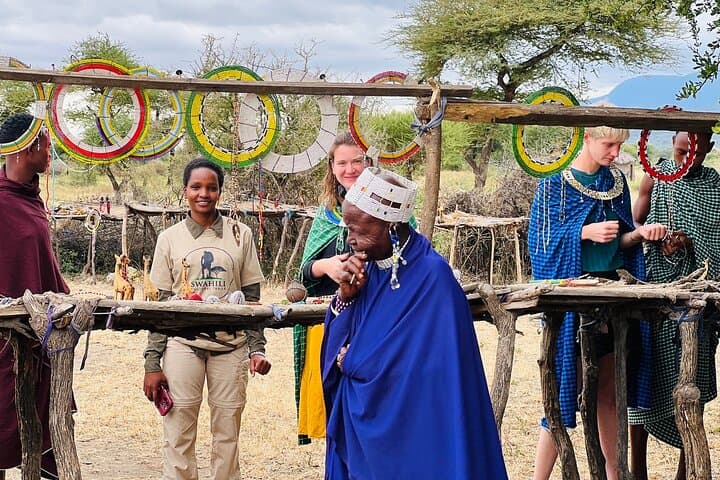
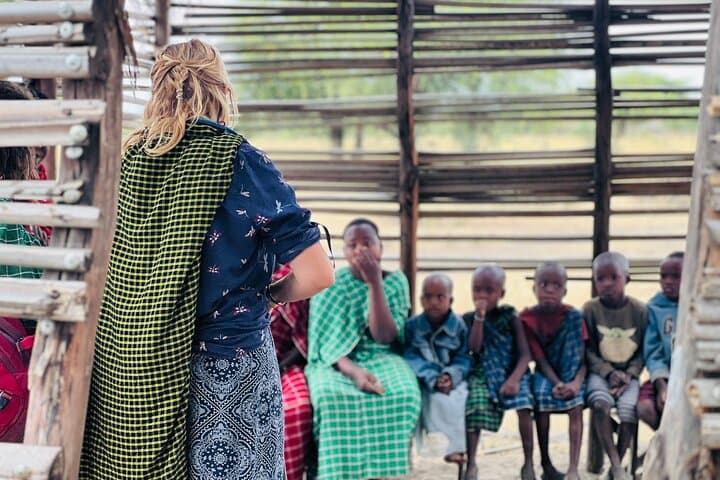
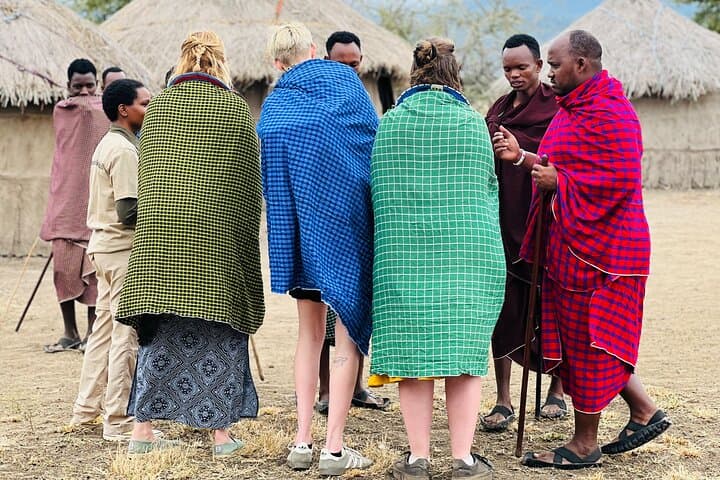
You arrive on a red-dust track and the boma gate opens: children call out in Maa, smoke curls from a cooking hearth, and the landscape slopes toward the pale rim of Lake Manyara. The Maasai guide meets you in traditional shuka, voice steady as they lead you through homestead yards where small gardens and beadwork hang from posts—every object shaped by daily life and seasonal need.
You arrive on a red-dust track and the boma gate opens: children call out in Maa, smoke curls from a cooking hearth, and the landscape slopes toward the pale rim of Lake Manyara. The Maasai guide meets you in traditional shuka, voice steady as they lead you through homestead yards where small gardens and beadwork hang from posts—every object shaped by daily life and seasonal need.
This region sits on the eastern edge of the East African Rift; volcanic soils and shallow groundwater feed a mosaic of lakes, acacia woodland, and irrigated farms. Maasai culture here blends pastoral knowledge with practical ecology: livestock movements mirror seasonal grasses, and medicinal plants are identified by touch and scent. Expect demonstrations of tracking, spear-making stories, and explanations of how the community manages livestock while living alongside wildlife from nearby Lake Manyara National Park.
The visit is intimate and short—typically 1–3 hours—and can be combined with a park drive. Wear closed-toe shoes; paths are uneven and can be dusty. Bring cash (Tanzanian shillings) for local purchases and a modest tip; ask before photographing people. Hydrate and apply sun protection; the sun is strong even when mornings feel cool.
Practical note: tours usually include private tuk‑tuk transport and a bilingual guide who explains customs and answers questions. Respect restricted areas in a boma, follow guide instructions around livestock, and buy handicrafts directly to support the community. This is less a performance and more a chance to see how knowledge—of plants, animals, and weather—keeps life moving here.