THE ADVENTURE COLLECTIVE® · Independent discovery and booking for outdoor travel

Spend a day chasing tree-climbing lions and flamingo-streaked shores at Lake Manyara National Park. This private full-day safari from Arusha pairs close-range wildlife viewing with a compact, ecologically diverse landscape.
Spend a day chasing tree-climbing lions and flamingo-streaked shores at Lake Manyara National Park. This private full-day safari from Arusha pairs close-range wildlife viewing with a compact, ecologically diverse landscape.
Dawn finds the van threading down the rift-valley road, acacia crowns cutting a silhouette against a shallow, silver lake that dares you to look closer. By midmorning the soda flats of Lake Manyara gleam; pink bands of flamingos bob like punctuation along the shore while the groundwater forest breathes cool shadow over the tracks.
Verified experiences and guided adventures in the surrounding area.
Operated by Kiliclimb Africa Safaris · Mto wa Mbu, Manyara
Dawn finds the van threading down the rift-valley road, acacia crowns cutting a silhouette against a shallow, silver lake that dares you to look closer. By midmorning the soda flats of Lake Manyara gleam; pink bands of flamingos bob like punctuation along the shore while the groundwater forest breathes cool shadow over the tracks.
Geology here is obvious—the park sits on the edge of the Great Rift Valley, a mosaic of alkaline lake, floodplain and an escarpment that traps moisture and feeds the groundwater forest. That microclimate makes Lake Manyara compact but ecologically varied: woodland, open grassland and a lake that inflates and deflates with the rains. Culturally, nearby Mto wa Mbu is a crossroads of Maasai, Iraqw and Sukuma farming communities—markets and roadside fruit stalls are part of the approach to the park.
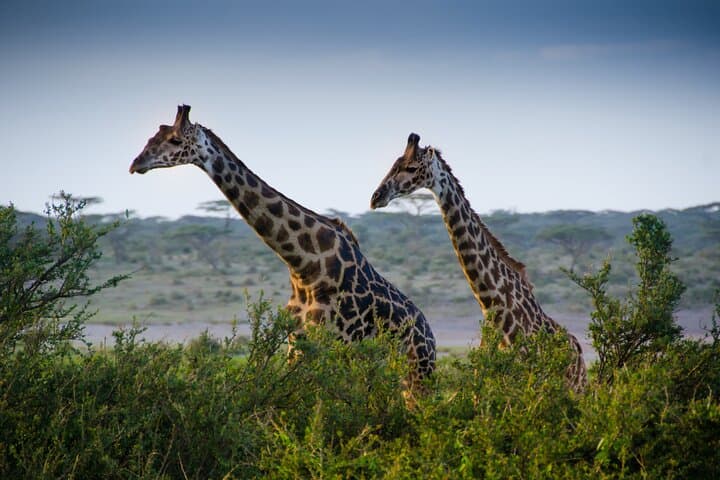
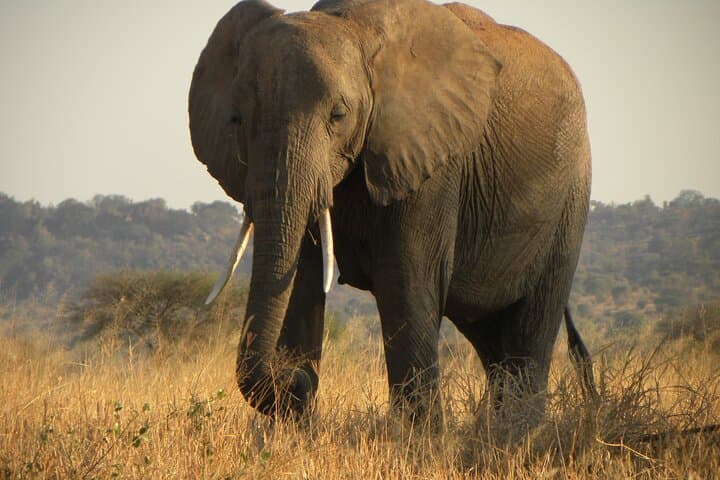
Expect a full day: roughly 2–3 hours drive from Arusha each way depending on traffic, and 4–6 hours of guided game viewing on gravel tracks. Wildlife highlights include tree-climbing lions, elephant herds, buffalo, giraffes and rich shorebird life. Guides focus on low-impact viewing—stay in the vehicle, keep noise down and follow instructions when animals are close.
Practical edge: start early for soft morning light and cooler temps; pack layers for changing conditions around the lake; bring binoculars and a long lens; and carry water and sunscreen—the sun on the flats is relentless. Roads can be bumpy; motion sensitivity and a flexible schedule help. With a private guide, you set the pace—watch the trees as much as the plains and let the park rewrite your expectations of a small but fiercely wildlife-rich reserve.
easy.
8–10 hours.
Suitable for most fitness levels; requires getting in/out of a safari vehicle and standing for short photo stops.
Expect about 2–3 hours each way depending on traffic and road conditions; private tours may include flexible pickup times.
Common sightings include elephants, buffalo, giraffes, tree-climbing lions, and many shore and woodland birds—flamingo numbers vary with water chemistry.
The day is generally family-friendly with minimal walking, but frequent vehicle entry/exit is required; not recommended for travelers with serious spinal injuries.
This private tour notes lunch, snacks and bottled water are included; confirm park entrance fees and any additional charges with the operator when booking.
The park sits along the western rim of the Great Rift Valley, an active tectonic trench that shaped the region’s lakes and escarpments and has supported human settlement for millennia.
Lake Manyara’s small footprint concentrates visitor impact—stay on designated tracks, avoid off-road driving, and support local guides and community initiatives that promote sustainable tourism.
Kiliclimb Africa Safaris operates guided outdoor trips and adventures with an emphasis on safety, stewardship, and memorable experiences.
Dawn finds the van threading down the rift-valley road, acacia crowns cutting a silhouette against a shallow, silver lake that dares you to look closer. By midmorning the soda flats of Lake Manyara gleam; pink bands of flamingos bob like punctuation along the shore while the groundwater forest breathes cool shadow over the tracks.
Dawn finds the van threading down the rift-valley road, acacia crowns cutting a silhouette against a shallow, silver lake that dares you to look closer. By midmorning the soda flats of Lake Manyara gleam; pink bands of flamingos bob like punctuation along the shore while the groundwater forest breathes cool shadow over the tracks.
Geology here is obvious—the park sits on the edge of the Great Rift Valley, a mosaic of alkaline lake, floodplain and an escarpment that traps moisture and feeds the groundwater forest. That microclimate makes Lake Manyara compact but ecologically varied: woodland, open grassland and a lake that inflates and deflates with the rains. Culturally, nearby Mto wa Mbu is a crossroads of Maasai, Iraqw and Sukuma farming communities—markets and roadside fruit stalls are part of the approach to the park.
Expect a full day: roughly 2–3 hours drive from Arusha each way depending on traffic, and 4–6 hours of guided game viewing on gravel tracks. Wildlife highlights include tree-climbing lions, elephant herds, buffalo, giraffes and rich shorebird life. Guides focus on low-impact viewing—stay in the vehicle, keep noise down and follow instructions when animals are close.
Practical edge: start early for soft morning light and cooler temps; pack layers for changing conditions around the lake; bring binoculars and a long lens; and carry water and sunscreen—the sun on the flats is relentless. Roads can be bumpy; motion sensitivity and a flexible schedule help. With a private guide, you set the pace—watch the trees as much as the plains and let the park rewrite your expectations of a small but fiercely wildlife-rich reserve.