THE ADVENTURE COLLECTIVE® · Independent discovery and booking for outdoor travel

Spend a day inside Lake Manyara National Park for close views of tree-climbing lions, flamingo-studded soda flats, and varied woodland game on a six-hour guided drive.
Spend a day inside Lake Manyara National Park for close views of tree-climbing lions, flamingo-studded soda flats, and varied woodland game on a six-hour guided drive.
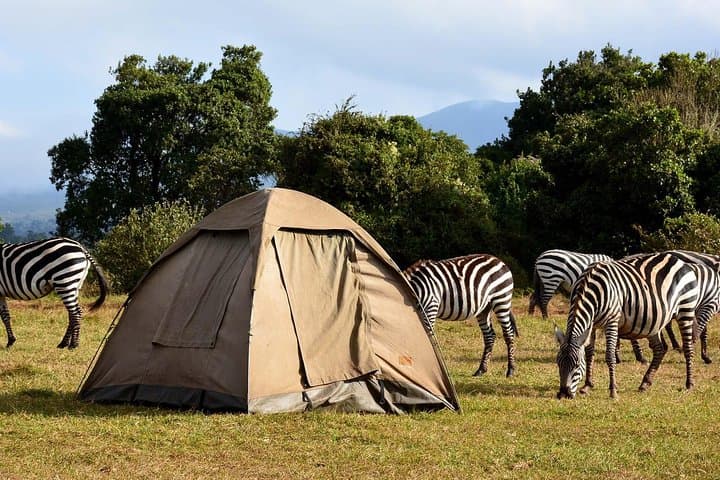
You step out of Arusha’s morning haze into light that flattens the savanna and sharpens the profile of acacia crowns. The pop-up jeep moves across red dust and then into a shaded tunnel of fig and mahogany; birds call like punctuation as the soda lake glints on the horizon and a distant lion regards the road from a low branch.
Verified experiences and guided adventures in the surrounding area.
Operated by Serengeti Safari Booking · Arusha, Manyara Region
You step out of Arusha’s morning haze into light that flattens the savanna and sharpens the profile of acacia crowns. The pop-up jeep moves across red dust and then into a shaded tunnel of fig and mahogany; birds call like punctuation as the soda lake glints on the horizon and a distant lion regards the road from a low branch.
Lake Manyara National Park sits on the edge of the East African Rift — a shallow, alkaline lake hugged by groundwater forests and acacia scrub. Designated as protected during the mid-20th century, the park protects a dramatic mix of habitats: a soda-ash lake that attracts flamingos, dense groundwater forest that hides tree-climbing lions, and open floodplain that funnels migrating grazers. Local Maasai and agricultural communities at Mto wa Mbu shape the human landscape; markets and small farms lie just beyond the park gates.
On a typical six-hour game drive you’ll traverse rutted earth roads and short stretches of compacted track. Expect long binocular sessions, sudden sprinting herds, and patient stalking by predators. The driver-guide’s local knowledge makes sightings likely but not guaranteed — wildlife moves on its own schedule.
Practical edge: leave early to catch cooler light and active predators, pack sun protection and plenty of water, and bring a camera with a mid- to long-tele lens. Wear layered, dust-resistant clothing and shoes that can handle uneven ground for occasional short walks from the vehicle. Respect viewing distances, follow your guide’s instructions, and be prepared for bumpy roads and sudden stops — nature here is always in motion.
easy.
6 hours.
Low fitness required — you should be able to climb in/out of a safari vehicle and tolerate several hours seated on bumpy roads.
The tour runs about six hours of game-driving time in a pop-up safari jeep, excluding pickup and drop-off.
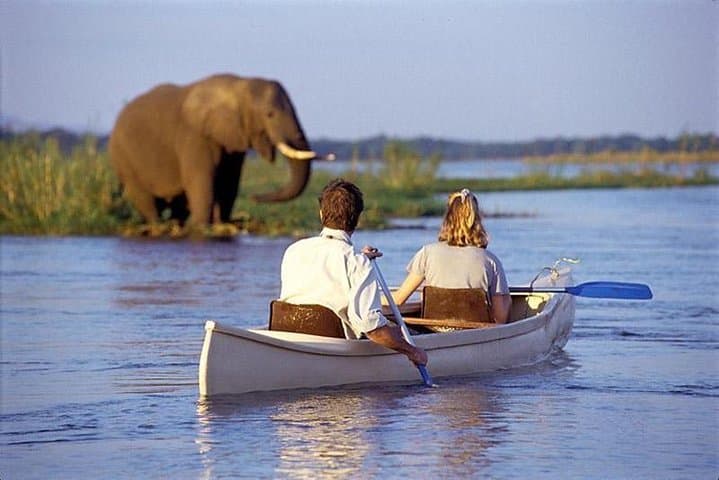
Guides aim to locate iconic species but sightings aren’t guaranteed; Lake Manyara is strong for lions, elephants, buffalo, and hippos, with leopards and rhino less common.
The operator lists wheelchair-accessible options and infant seats; children are allowed but must sit on laps for safety if no booster is used.
Early morning and late afternoon are best for predator activity; dry-season months concentrate animals near water, improving visibility.
The area was set aside for protection in the mid-20th century to preserve its unique lake and groundwater forest ecosystems and to manage increasing human-wildlife pressures.
Stick to marked tracks, avoid littering and feeding wildlife, and support operators that contribute to community conservation and employ trained local guides.
Serengeti Safari Booking operates guided outdoor trips and adventures with an emphasis on safety, stewardship, and memorable experiences.
You step out of Arusha’s morning haze into light that flattens the savanna and sharpens the profile of acacia crowns. The pop-up jeep moves across red dust and then into a shaded tunnel of fig and mahogany; birds call like punctuation as the soda lake glints on the horizon and a distant lion regards the road from a low branch.
You step out of Arusha’s morning haze into light that flattens the savanna and sharpens the profile of acacia crowns. The pop-up jeep moves across red dust and then into a shaded tunnel of fig and mahogany; birds call like punctuation as the soda lake glints on the horizon and a distant lion regards the road from a low branch.
Lake Manyara National Park sits on the edge of the East African Rift — a shallow, alkaline lake hugged by groundwater forests and acacia scrub. Designated as protected during the mid-20th century, the park protects a dramatic mix of habitats: a soda-ash lake that attracts flamingos, dense groundwater forest that hides tree-climbing lions, and open floodplain that funnels migrating grazers. Local Maasai and agricultural communities at Mto wa Mbu shape the human landscape; markets and small farms lie just beyond the park gates.
On a typical six-hour game drive you’ll traverse rutted earth roads and short stretches of compacted track. Expect long binocular sessions, sudden sprinting herds, and patient stalking by predators. The driver-guide’s local knowledge makes sightings likely but not guaranteed — wildlife moves on its own schedule.
Practical edge: leave early to catch cooler light and active predators, pack sun protection and plenty of water, and bring a camera with a mid- to long-tele lens. Wear layered, dust-resistant clothing and shoes that can handle uneven ground for occasional short walks from the vehicle. Respect viewing distances, follow your guide’s instructions, and be prepared for bumpy roads and sudden stops — nature here is always in motion.