THE ADVENTURE COLLECTIVE® · Independent discovery and booking for outdoor travel

A compact full-day safari from Arusha to Lake Manyara offers concentrated wildlife viewing — flamingo-lined shores, tree-climbing lions, and groundwater forest in a single, accessible loop. Expect a 9‑hour day with hotel pickup, park fees, and a private guide included.
A compact full-day safari from Arusha to Lake Manyara offers concentrated wildlife viewing — flamingo-lined shores, tree-climbing lions, and groundwater forest in a single, accessible loop. Expect a 9‑hour day with hotel pickup, park fees, and a private guide included.
You turn off the tarmac and the world changes: acacia silhouettes tip the horizon, the air sharpens with dust, and the soda lake ahead shimmers a pale, bird-studded mirror. Within an hour or two of Arusha the Jeep eases through a groundwater forest where baboon troops watch the road and the trees seem to breathe.
Verified experiences and guided adventures in the surrounding area.
Operated by Beach & Safari · Mto wa Mbu, Manyara Region
You turn off the tarmac and the world changes: acacia silhouettes tip the horizon, the air sharpens with dust, and the soda lake ahead shimmers a pale, bird-studded mirror. Within an hour or two of Arusha the Jeep eases through a groundwater forest where baboon troops watch the road and the trees seem to breathe.
Lake Manyara sits on the eastern rim of the East African Rift — a shallow alkaline basin whose chemistry draws huge flocks of flamingos and supports dense bands of wildlife in a compact area. The park’s geology is simple but decisive: a rift-side floor, seasonal flooding, and the groundwater forest that clings to its margins. Human history in the corridor is woven from small farming towns like Mto wa Mbu and Maasai grazing routes; drivers and guides often narrate how local livelihoods and wildlife intersect here.
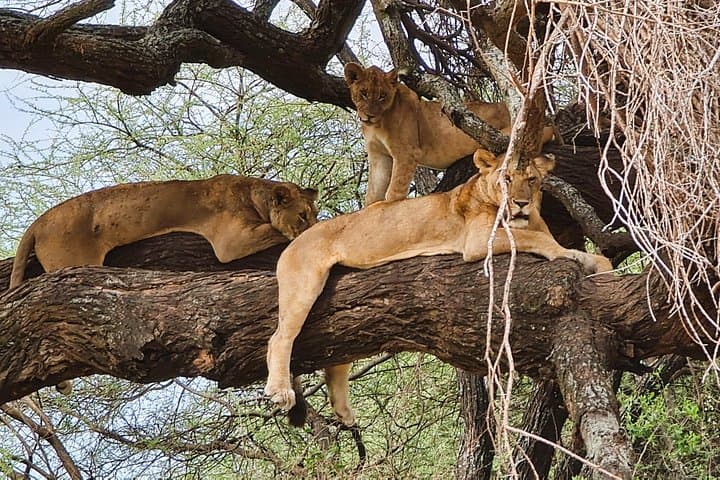
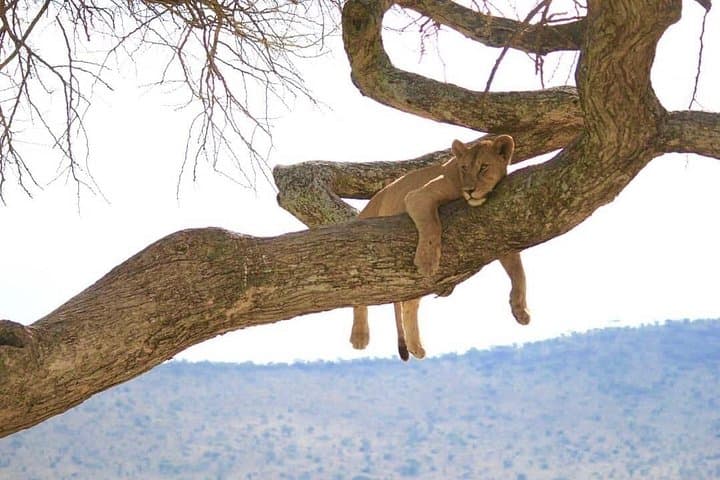
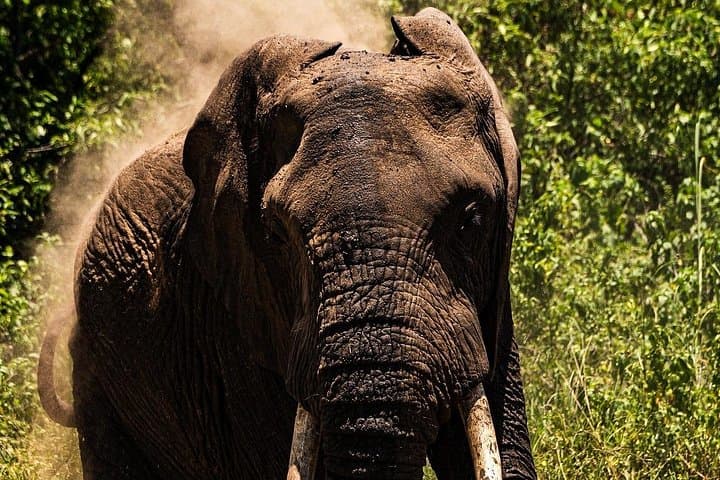
On a private, full-day drive expect 2 hours each way from Arusha and roughly 5–6 hours in the park. Look for tree-climbing lions, grazing giraffe and buffalo, and shorelines that dare you to count the flamingos. Guides read the signs — spoor, calls, shade patterns — and the safari jeep gives you mobility and raised sight lines.
Practical advice: bring binoculars, a sun hat and layered clothing for a cool morning and hot afternoon. Carry water and a camera with a mid- to long-telephoto lens. Park fees, an experienced guide, hotel pickup/drop-off, an air-conditioned vehicle and a packed lunch are included with most day-trip packages. Plan departures early to use the long light and avoid midday heat; patience and quiet vastly improve sightings.
easy.
9 hours.
Suitable for most fitness levels—this is a vehicle-based safari but expect several hours standing or sitting with short walks at viewpoints.
Yes—most day-trip packages include park entrance fees and a packed lunch, as well as bottled water.
Expect about 2 hours each way depending on traffic and road conditions; total trip time is roughly 9 hours.
Tree-climbing lions are a noted feature of Manyara but sightings are never guaranteed; early and quiet drives increase chances.
The trip is generally family-friendly; infants may be required to sit on an adult’s lap and operators often provide child seating guidance—check at booking.
Lake Manyara lies along the East African Rift and has long supported human communities who farm and herd on the rift margins; the park was established in 1960 to protect its unique habitats.
Visitor numbers are managed to limit disturbance and guides are required to follow park rules; support local community projects when possible to help balance tourism benefits.
Beach & Safari operates guided outdoor trips and adventures with an emphasis on safety, stewardship, and memorable experiences.
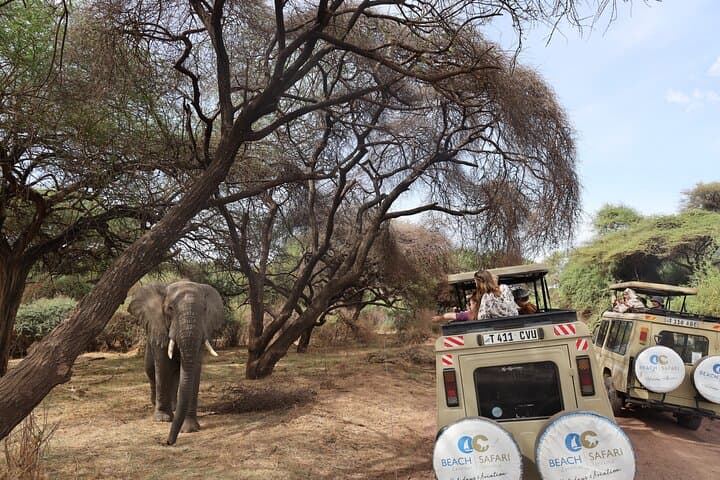
You turn off the tarmac and the world changes: acacia silhouettes tip the horizon, the air sharpens with dust, and the soda lake ahead shimmers a pale, bird-studded mirror. Within an hour or two of Arusha the Jeep eases through a groundwater forest where baboon troops watch the road and the trees seem to breathe.
You turn off the tarmac and the world changes: acacia silhouettes tip the horizon, the air sharpens with dust, and the soda lake ahead shimmers a pale, bird-studded mirror. Within an hour or two of Arusha the Jeep eases through a groundwater forest where baboon troops watch the road and the trees seem to breathe.
Lake Manyara sits on the eastern rim of the East African Rift — a shallow alkaline basin whose chemistry draws huge flocks of flamingos and supports dense bands of wildlife in a compact area. The park’s geology is simple but decisive: a rift-side floor, seasonal flooding, and the groundwater forest that clings to its margins. Human history in the corridor is woven from small farming towns like Mto wa Mbu and Maasai grazing routes; drivers and guides often narrate how local livelihoods and wildlife intersect here.
On a private, full-day drive expect 2 hours each way from Arusha and roughly 5–6 hours in the park. Look for tree-climbing lions, grazing giraffe and buffalo, and shorelines that dare you to count the flamingos. Guides read the signs — spoor, calls, shade patterns — and the safari jeep gives you mobility and raised sight lines.
Practical advice: bring binoculars, a sun hat and layered clothing for a cool morning and hot afternoon. Carry water and a camera with a mid- to long-telephoto lens. Park fees, an experienced guide, hotel pickup/drop-off, an air-conditioned vehicle and a packed lunch are included with most day-trip packages. Plan departures early to use the long light and avoid midday heat; patience and quiet vastly improve sightings.