THE ADVENTURE COLLECTIVE® · Independent discovery and booking for outdoor travel

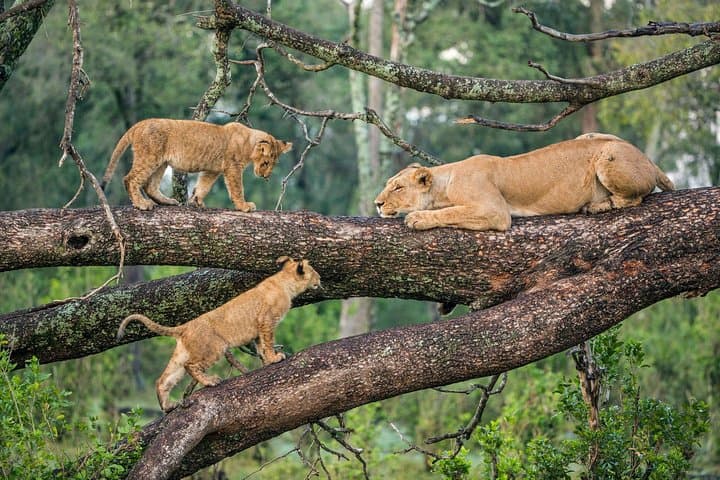
A full‑day safari from Arusha to Lake Manyara offers concentrated wildlife viewing—tree‑climbing lions, large herds, and abundant birdlife—across a shifting Rift Valley landscape. Expect long game drives, scenic picnic stops, and a day framed by lake shorelines and forested edges.
A full‑day safari from Arusha to Lake Manyara offers concentrated wildlife viewing—tree‑climbing lions, large herds, and abundant birdlife—across a shifting Rift Valley landscape. Expect long game drives, scenic picnic stops, and a day framed by lake shorelines and forested edges.
You step out of the vehicle onto a rim road that overlooks a flat, glassy lake; wind teases the acacia and the call of a fish eagle cuts across the plain. The park’s shallow soda lake sits like a mirror in the Rift Valley, and the forest that skirts it seems to hold its breath — perfect for the tree‑climbing lions that made Lake Manyara famous.
Verified experiences and guided adventures in the surrounding area.
Operated by Wildtrip Safaris Tanzania · Mto wa Mbu, Manyara Region
You step out of the vehicle onto a rim road that overlooks a flat, glassy lake; wind teases the acacia and the call of a fish eagle cuts across the plain. The park’s shallow soda lake sits like a mirror in the Rift Valley, and the forest that skirts it seems to hold its breath — perfect for the tree‑climbing lions that made Lake Manyara famous.
Geology here is brute and simple: a rift escarpment drops away to alkaline waters whose shoreline shifts with seasons. Human history is close at hand — Maasai cattle paths and small villages frame safari routes, and Mto wa Mbu’s market reflects local crops and cultures that have long shared this land with wildlife.
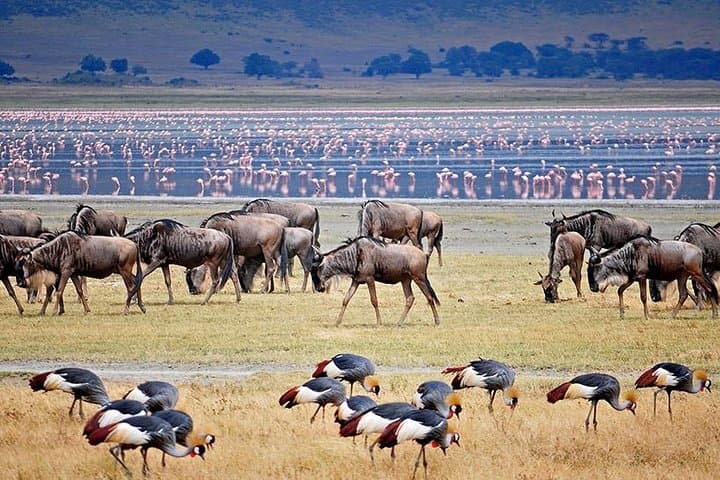
On a day trip from Arusha you’ll cover open floodplain, dense groundwater forest and mopane scrub. Guides concentrate sightings: flamingos by the lake, giraffe and zebra on the plains, and large herds of buffalo in wet years. Expect long glassing stretches from a 4x4, stops by waterholes for photographs, and the occasional picnic beneath shady acacias.
Practically: pickup is early, the drive is roughly 2–3 hours each way from Arusha depending on traffic, and a full day can run 8–10 hours. Bring binoculars, sun protection, layered clothes for morning chill, and a camera with a long lens if you want close shots. Respect park rules: stay in the vehicle where required, keep noise low, and follow your guide’s directions for safe viewing.
This is a compact safari that rewards patience — the land favors alert observers, and many of the park’s signature encounters arrive quietly, as if the place is deciding whether to reveal them.
easy.
8–10 hours.
Suitable for most fitness levels; requires climbing in/out of safari vehicles and some standing for viewing
Drive time is typically 2–3 hours each way depending on traffic and road conditions; many operators schedule a full day (8–10 hours) to allow for game drives and lunch.
Tree‑climbing lions are a local specialty but sightings aren’t guaranteed; they depend on pride behavior and seasonal conditions—patience and a knowledgeable guide improve chances.
Inclusions vary by operator; this day trip typically includes bottled water, lunch and parking fees—confirm whether national park entrance fees are included before booking.
The route is generally family‑friendly and vehicles can accommodate children, but mobility needs vary—confirm vehicle and accessibility options when booking and note any infant seating requirements.
The park sits on the western flank of the Eastern Rift; local Maasai and agricultural communities have long shaped land use around the lake.
Water levels and grazing pressure affect habitat health; visitors should stick to tracks, avoid littering, and support locally run guides and community projects.
Wildtrip Safaris Tanzania operates guided outdoor trips and adventures with an emphasis on safety, stewardship, and memorable experiences.
You step out of the vehicle onto a rim road that overlooks a flat, glassy lake; wind teases the acacia and the call of a fish eagle cuts across the plain. The park’s shallow soda lake sits like a mirror in the Rift Valley, and the forest that skirts it seems to hold its breath — perfect for the tree‑climbing lions that made Lake Manyara famous.
You step out of the vehicle onto a rim road that overlooks a flat, glassy lake; wind teases the acacia and the call of a fish eagle cuts across the plain. The park’s shallow soda lake sits like a mirror in the Rift Valley, and the forest that skirts it seems to hold its breath — perfect for the tree‑climbing lions that made Lake Manyara famous.
Geology here is brute and simple: a rift escarpment drops away to alkaline waters whose shoreline shifts with seasons. Human history is close at hand — Maasai cattle paths and small villages frame safari routes, and Mto wa Mbu’s market reflects local crops and cultures that have long shared this land with wildlife.
On a day trip from Arusha you’ll cover open floodplain, dense groundwater forest and mopane scrub. Guides concentrate sightings: flamingos by the lake, giraffe and zebra on the plains, and large herds of buffalo in wet years. Expect long glassing stretches from a 4x4, stops by waterholes for photographs, and the occasional picnic beneath shady acacias.
Practically: pickup is early, the drive is roughly 2–3 hours each way from Arusha depending on traffic, and a full day can run 8–10 hours. Bring binoculars, sun protection, layered clothes for morning chill, and a camera with a long lens if you want close shots. Respect park rules: stay in the vehicle where required, keep noise low, and follow your guide’s directions for safe viewing.
This is a compact safari that rewards patience — the land favors alert observers, and many of the park’s signature encounters arrive quietly, as if the place is deciding whether to reveal them.