THE ADVENTURE COLLECTIVE® · Independent discovery and booking for outdoor travel

Three days around Lake Eyasi combine canoe rides, birdwatching, and intimate cultural visits with Hadza and Datoga communities. Expect simple camps or lodges, early starts, and hands-on cultural experiences guided with local context.
Three days around Lake Eyasi combine canoe rides, birdwatching, and intimate cultural visits with Hadza and Datoga communities. Expect simple camps or lodges, early starts, and hands-on cultural experiences guided with local context.
Dawn spreads pale light across a shallow salt plain; flamingos crowd the surface and a low wind pushes the lake’s skin toward reedy shores. By midmorning, a hand-carved canoe cuts a narrow wake, and the shoreline—rocky outcrops, onion plots, and grass huts—comes alive with people who read the land by memory.
Verified experiences and guided adventures in the surrounding area.
Operated by Super Game Tanzania Tours and Safaris · Karatu, Arusha Region
Dawn spreads pale light across a shallow salt plain; flamingos crowd the surface and a low wind pushes the lake’s skin toward reedy shores. By midmorning, a hand-carved canoe cuts a narrow wake, and the shoreline—rocky outcrops, onion plots, and grass huts—comes alive with people who read the land by memory.
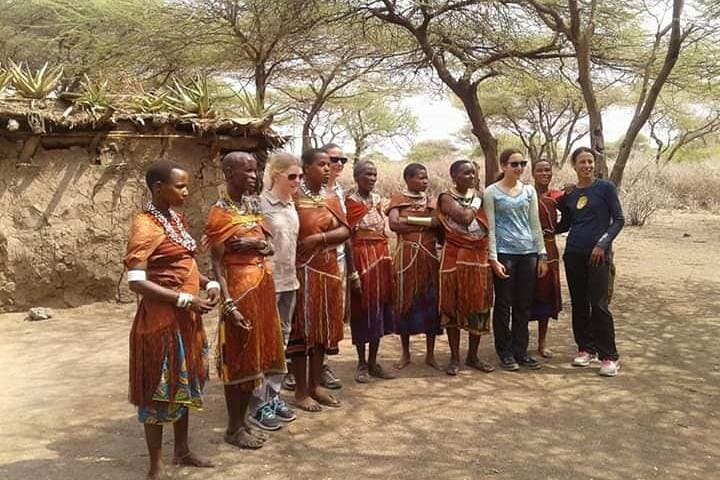
Lake Eyasi sits on the floor of the Rift Valley just below the Serengeti Plateau. Geologically, it’s an endorheic basin: water collects, salts concentrate, and seasonal rains redraw the shoreline. The area is a living crossroads of cultures—Hadza hunter-gatherers, Datoga blacksmiths, and pastoral Maasai—each with distinct crafts, language rhythms, and survival strategies shaped by the valley’s scoured soils and scarce water.
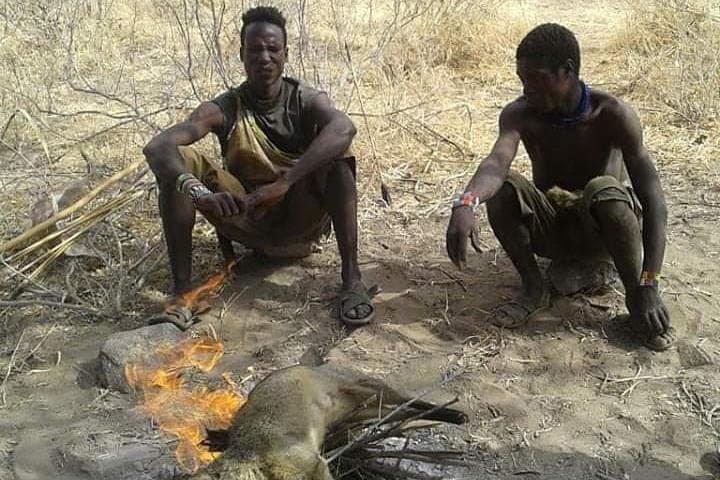
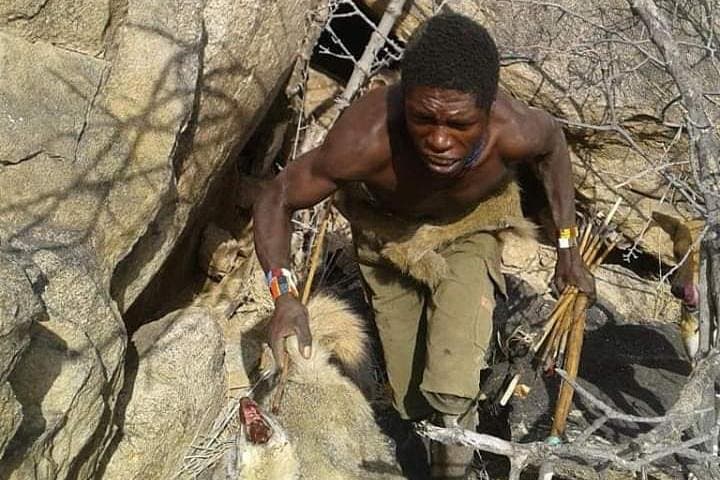
On this three-day circuit you’ll paddle quiet channels to watch pelicans and flamingos, sit among Hadza families to learn hand-drill fire-making and join a short hunt with crafted bows, and visit Datoga forges to see metalwork and barter traditions. Guides translate cultural context and help you move respectfully through private spaces.
Practicalities: accommodations are simple—camp or basic lodges—and transport runs from Arusha with a daytime drive through Karatu. Bring cash for artisan purchases, protect against sun and dust, and plan activities for early morning or late afternoon when birds are active and tribal demonstrations are most comfortable. The experience rewards curiosity and restraint: listen, ask permission before photos, and let the lake’s wind and the valley’s stones set the pace of your visit.
easy.
3 days.
Suitable for most fitness levels; expect short hikes, canoe rides, and standing during demonstrations—basic mobility required.
No formal permit is required for tourist visits, but access is governed by local leaders—visits are arranged through licensed guides who coordinate respectful visits and any customary payments.
Canoe trips are short and generally calm; children should wear life jackets and be supervised—confirm safety gear with your operator before departure.
Accommodations range from basic campsites to modest lodges with shared facilities; expect simple amenities rather than luxury services.
Dry seasons (Jun–Sep and Jan–Feb) concentrate birds on remaining waters, but migratory species arrive after rains—early mornings are most productive year-round.
The valley has long been a cultural crossroads: Hadza hunter-gatherers, Datoga blacksmiths, and Maasai pastoralists have coexisted here for centuries, each shaped by the Rift's resources.
Respectful, low-impact visits help preserve local livelihoods; avoid single-use plastic, follow guide instructions, and support community-run enterprises when possible.
Super Game Tanzania Tours and Safaris operates guided outdoor trips and adventures with an emphasis on safety, stewardship, and memorable experiences.

Dawn spreads pale light across a shallow salt plain; flamingos crowd the surface and a low wind pushes the lake’s skin toward reedy shores. By midmorning, a hand-carved canoe cuts a narrow wake, and the shoreline—rocky outcrops, onion plots, and grass huts—comes alive with people who read the land by memory.
Dawn spreads pale light across a shallow salt plain; flamingos crowd the surface and a low wind pushes the lake’s skin toward reedy shores. By midmorning, a hand-carved canoe cuts a narrow wake, and the shoreline—rocky outcrops, onion plots, and grass huts—comes alive with people who read the land by memory.
Lake Eyasi sits on the floor of the Rift Valley just below the Serengeti Plateau. Geologically, it’s an endorheic basin: water collects, salts concentrate, and seasonal rains redraw the shoreline. The area is a living crossroads of cultures—Hadza hunter-gatherers, Datoga blacksmiths, and pastoral Maasai—each with distinct crafts, language rhythms, and survival strategies shaped by the valley’s scoured soils and scarce water.
On this three-day circuit you’ll paddle quiet channels to watch pelicans and flamingos, sit among Hadza families to learn hand-drill fire-making and join a short hunt with crafted bows, and visit Datoga forges to see metalwork and barter traditions. Guides translate cultural context and help you move respectfully through private spaces.
Practicalities: accommodations are simple—camp or basic lodges—and transport runs from Arusha with a daytime drive through Karatu. Bring cash for artisan purchases, protect against sun and dust, and plan activities for early morning or late afternoon when birds are active and tribal demonstrations are most comfortable. The experience rewards curiosity and restraint: listen, ask permission before photos, and let the lake’s wind and the valley’s stones set the pace of your visit.