THE ADVENTURE COLLECTIVE® · Independent discovery and booking for outdoor travel

A short drive from Arusha, Lake Duluti offers a compact day of hiking the crater rim and paddling calm waters. Expect birdlife, crater views of Mt. Meru, and easy trails suited to most travelers.
A short drive from Arusha, Lake Duluti offers a compact day of hiking the crater rim and paddling calm waters. Expect birdlife, crater views of Mt. Meru, and easy trails suited to most travelers.
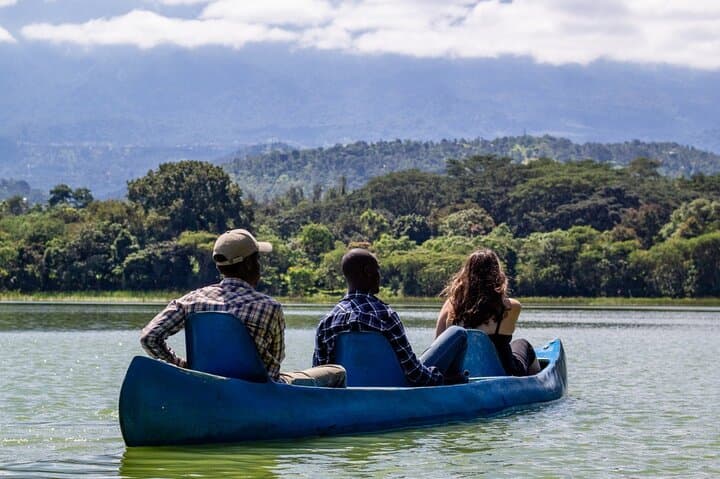
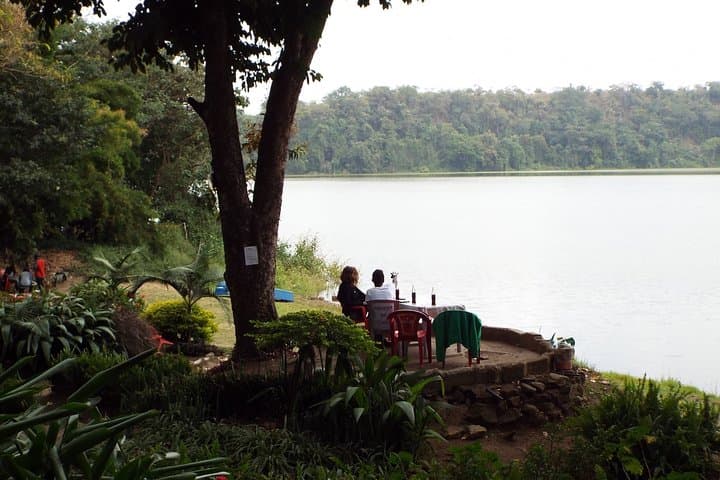
The morning light hits the rim of the volcanic crater and the lake exhales a glassy, cool breath — you push off in a canoe and the shoreline leans in to listen. Lake Duluti sits a short drive east of Arusha, its forested crater edge offering a compact day of walking and paddling where birds call and monitor lizards sun themselves on fallen logs.
Verified experiences and guided adventures in the surrounding area.
Operated by African polecat safaris · Arusha, Arusha Region
The morning light hits the rim of the volcanic crater and the lake exhales a glassy, cool breath — you push off in a canoe and the shoreline leans in to listen. Lake Duluti sits a short drive east of Arusha, its forested crater edge offering a compact day of walking and paddling where birds call and monitor lizards sun themselves on fallen logs.
Geologically, Duluti is a small crater lake formed by ancient volcanic activity tied to the same East African Rift system that uplifted nearby Mt. Meru. The Wameru people long named and used the lake; today small markets and farms around the rim reflect a living cultural landscape tied to water and shade-grown crops.
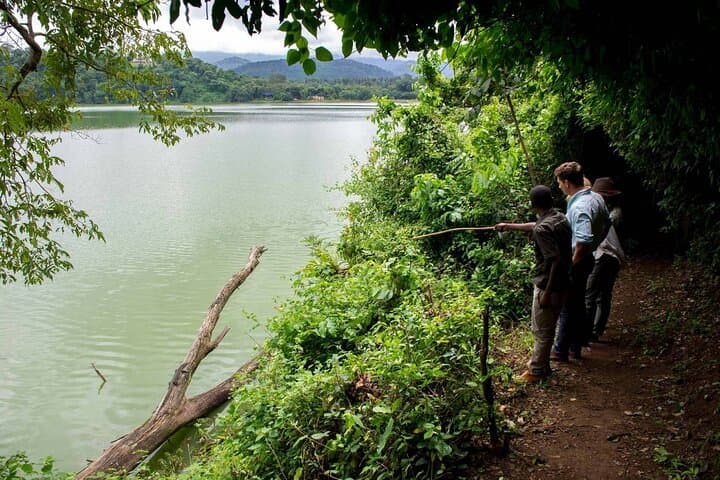
Expect a mix of easy forest tracks along the crater rim, short steeper sections to viewpoints, and a calm paddle across sheltered waters. Guides point out kingfishers and egrets, and will narrate local stories about the lake’s role in community life. Photography opportunities are strong: Mt. Meru often frames the water on clear days, Kilimanjaro may peek on very clear mornings.
Practically: plan for 1–5 hours depending on route choice; wear grippy shoes for damp earth, bring a refillable water bottle and sun protection, and carry binoculars for birding. Mornings are coolest and most active for wildlife; late afternoon brings still water and golden light for paddling. Respect nesting areas, follow your guide’s safety briefing for canoeing, and leave no trace — the crater’s small ecosystem is easy to impact but rewarding to explore.
easy.
1–5 hours.
Suitable for most fitness levels — you should be comfortable walking on uneven ground and paddling for short stretches.
The transfer is approximately 20 minutes from central Arusha depending on traffic; the activity portion ranges 1–5 hours.
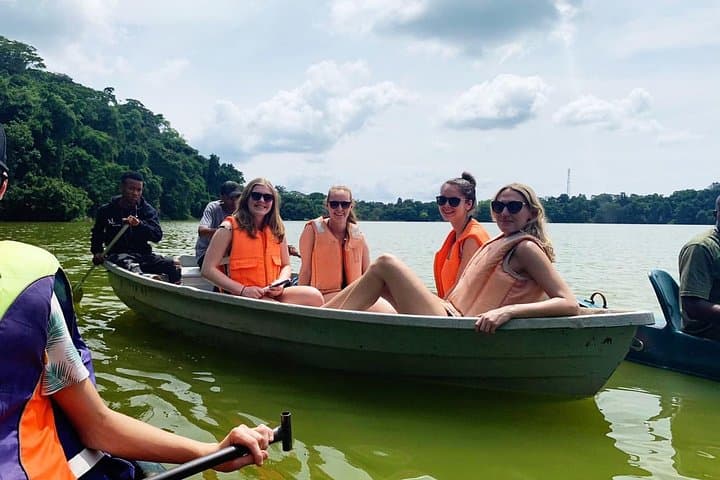
Yes — canoeing on Duluti is calm and guided; basic instructions and life jackets are provided.
The provider notes the experience is wheelchair accessible in parts; confirm specific access needs when booking and for any steps to the water’s edge.
Common sightings include waterbirds like kingfishers and egrets and reptiles such as monitor lizards; sightings vary seasonally and with time of day.
Lake Duluti sits in a volcanic crater named and used historically by the Wameru people; the lake has long been a freshwater and cultural resource for nearby communities.
The crater-lake ecosystem is small and sensitive; stick to trails, avoid single-use plastics, and follow guide instructions to minimize disturbance.
African polecat safaris operates guided outdoor trips and adventures with an emphasis on safety, stewardship, and memorable experiences.
The morning light hits the rim of the volcanic crater and the lake exhales a glassy, cool breath — you push off in a canoe and the shoreline leans in to listen. Lake Duluti sits a short drive east of Arusha, its forested crater edge offering a compact day of walking and paddling where birds call and monitor lizards sun themselves on fallen logs.
The morning light hits the rim of the volcanic crater and the lake exhales a glassy, cool breath — you push off in a canoe and the shoreline leans in to listen. Lake Duluti sits a short drive east of Arusha, its forested crater edge offering a compact day of walking and paddling where birds call and monitor lizards sun themselves on fallen logs.
Geologically, Duluti is a small crater lake formed by ancient volcanic activity tied to the same East African Rift system that uplifted nearby Mt. Meru. The Wameru people long named and used the lake; today small markets and farms around the rim reflect a living cultural landscape tied to water and shade-grown crops.
Expect a mix of easy forest tracks along the crater rim, short steeper sections to viewpoints, and a calm paddle across sheltered waters. Guides point out kingfishers and egrets, and will narrate local stories about the lake’s role in community life. Photography opportunities are strong: Mt. Meru often frames the water on clear days, Kilimanjaro may peek on very clear mornings.
Practically: plan for 1–5 hours depending on route choice; wear grippy shoes for damp earth, bring a refillable water bottle and sun protection, and carry binoculars for birding. Mornings are coolest and most active for wildlife; late afternoon brings still water and golden light for paddling. Respect nesting areas, follow your guide’s safety briefing for canoeing, and leave no trace — the crater’s small ecosystem is easy to impact but rewarding to explore.