THE ADVENTURE COLLECTIVE® · Independent discovery and booking for outdoor travel

Fly from Anchorage into Lake Clark National Park for up-close bear viewing on coastal beaches and tundra. This 6–7 hour guided tour combines scenic flightseeing, guided wildlife viewing, and a shore-side picnic—ideal for photographers and wildlife enthusiasts.
Fly from Anchorage into Lake Clark National Park for up-close bear viewing on coastal beaches and tundra. This 6–7 hour guided tour combines scenic flightseeing, guided wildlife viewing, and a shore-side picnic—ideal for photographers and wildlife enthusiasts.
You lift off from a small gravel airpark north of Anchorage and the familiar skyline slides back beneath you; mountains, tideflats and ice-blue glaciers unroll toward the Bristol Bay coast. The plane banks over low tundra and a braided river system until a remote coastal spit appears—your landing strip for the day. On arrival the world narrows to wind, salt, and the low grumble of brown bears foraging along the shore.
Verified experiences and guided adventures in the surrounding area.
Operated by Alaska Air Service · Anchorage, Alaska
You lift off from a small gravel airpark north of Anchorage and the familiar skyline slides back beneath you; mountains, tideflats and ice-blue glaciers unroll toward the Bristol Bay coast. The plane banks over low tundra and a braided river system until a remote coastal spit appears—your landing strip for the day. On arrival the world narrows to wind, salt, and the low grumble of brown bears foraging along the shore.
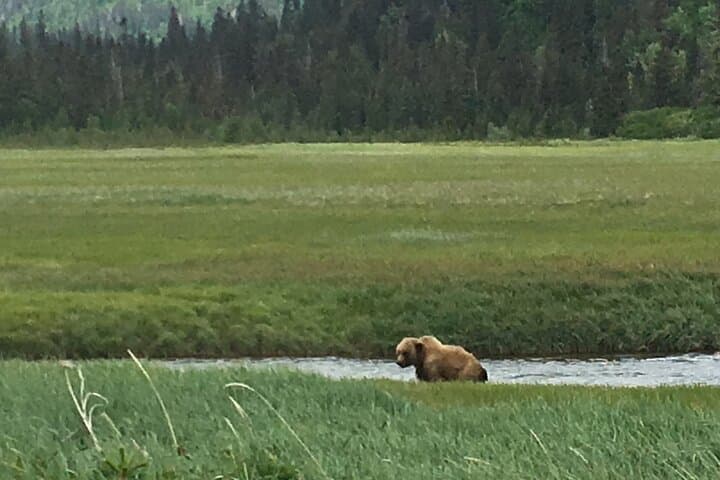
Lake Clark National Park occupies a collision zone of volcanoes, glacial valleys and coastal estuaries. Formed by repeated glaciation and volcanic uplift, the park’s beaches and river deltas concentrate salmon runs that in turn draw large brown bear populations and bald eagles each summer. The area is also part of Dena’ina and Alutiiq traditional territory; local ecological knowledge guides safe viewing practice and respectful access.
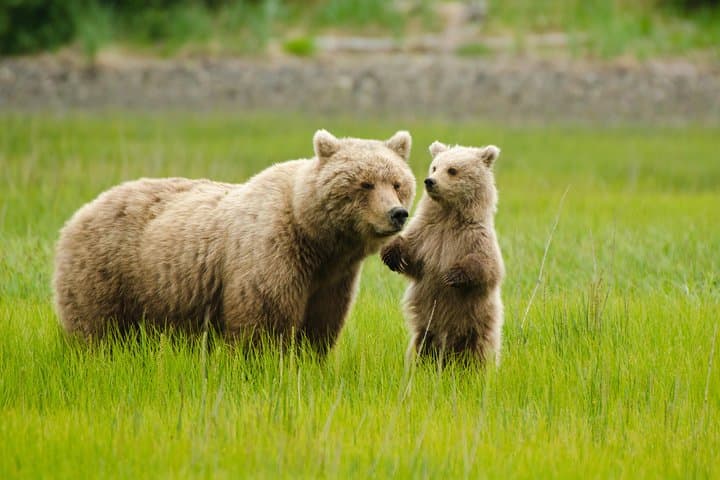
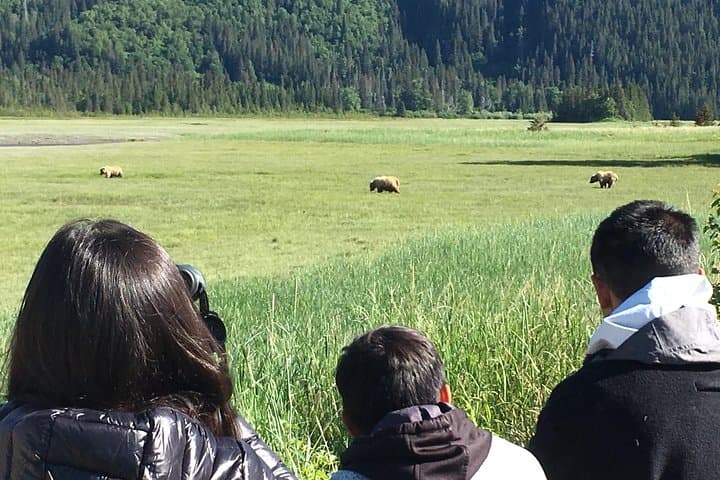
Expect long, guided beach walks and tundra strolls rather than steep climbs—terrain is uneven, often wet, and can be windy. Guides manage proximity to bears and set viewing windows so animals act naturally: feeding, teaching cubs, or resting. Lunch is a shore-side picnic; photo ops are constant but require patience and the right lens.
Practical guidance: plan for a 6–7 hour day with roughly one hour each way flying, pack waterproof layers, sturdy boots, and binoculars. Bring charged camera batteries and motion-stable lenses, and prepare for limited cell service. The experience is immersive, wildlife-focused, and best booked in summer when salmon and bears peak.
moderate.
6–7 hours.
Light to moderate fitness; able to walk on uneven beaches and tundra for several hours and handle brief hikes.
Guides maintain safe distances determined by animal behavior and Park rules; you’ll often be within good photographic range but never permitted to approach animals unaccompanied.
The tour operator recommends children over 10; small planes, long walking sections, and safety rules mean it’s not ideal for very young kids.
A camera with a telephoto lens, extra batteries and memory cards, and a lightweight tripod or monopod for stability are recommended; cell service is limited.
Yes—operators monitor conditions and may reschedule or cancel for safety; the tour allows cancellations up to 24 hours prior for a full refund.
Lake Clark was designated a national park and preserve in 1980 to protect its salmon runs, coastal ecosystems, and cultural landscapes long used by Dena’ina and Alutiiq peoples.
Respect wildlife viewing protocols—stay with guides, pack out all waste, and minimize noise; small aircraft landings are regulated and landing/park fees contribute to site management.
Alaska Air Service operates guided outdoor trips and adventures with an emphasis on safety, stewardship, and memorable experiences.
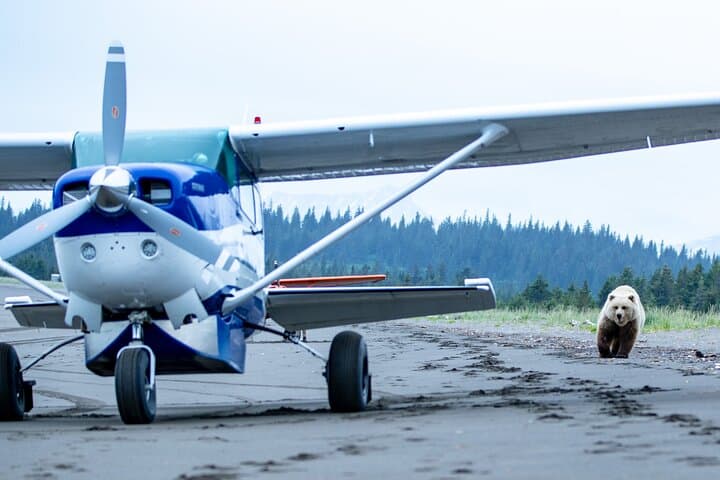
You lift off from a small gravel airpark north of Anchorage and the familiar skyline slides back beneath you; mountains, tideflats and ice-blue glaciers unroll toward the Bristol Bay coast. The plane banks over low tundra and a braided river system until a remote coastal spit appears—your landing strip for the day. On arrival the world narrows to wind, salt, and the low grumble of brown bears foraging along the shore.
You lift off from a small gravel airpark north of Anchorage and the familiar skyline slides back beneath you; mountains, tideflats and ice-blue glaciers unroll toward the Bristol Bay coast. The plane banks over low tundra and a braided river system until a remote coastal spit appears—your landing strip for the day. On arrival the world narrows to wind, salt, and the low grumble of brown bears foraging along the shore.
Lake Clark National Park occupies a collision zone of volcanoes, glacial valleys and coastal estuaries. Formed by repeated glaciation and volcanic uplift, the park’s beaches and river deltas concentrate salmon runs that in turn draw large brown bear populations and bald eagles each summer. The area is also part of Dena’ina and Alutiiq traditional territory; local ecological knowledge guides safe viewing practice and respectful access.
Expect long, guided beach walks and tundra strolls rather than steep climbs—terrain is uneven, often wet, and can be windy. Guides manage proximity to bears and set viewing windows so animals act naturally: feeding, teaching cubs, or resting. Lunch is a shore-side picnic; photo ops are constant but require patience and the right lens.
Practical guidance: plan for a 6–7 hour day with roughly one hour each way flying, pack waterproof layers, sturdy boots, and binoculars. Bring charged camera batteries and motion-stable lenses, and prepare for limited cell service. The experience is immersive, wildlife-focused, and best booked in summer when salmon and bears peak.