THE ADVENTURE COLLECTIVE® · Independent discovery and booking for outdoor travel

An hour from Moshi, Lake Chala is a jewel-like caldera with changing blues, steep rocky trails and reliable wildlife viewing. This full-day trip pairs a lakeside hike and optional swim or kayak with local insight into Kilimanjaro’s groundwater-fed ecosystem.
An hour from Moshi, Lake Chala is a jewel-like caldera with changing blues, steep rocky trails and reliable wildlife viewing. This full-day trip pairs a lakeside hike and optional swim or kayak with local insight into Kilimanjaro’s groundwater-fed ecosystem.
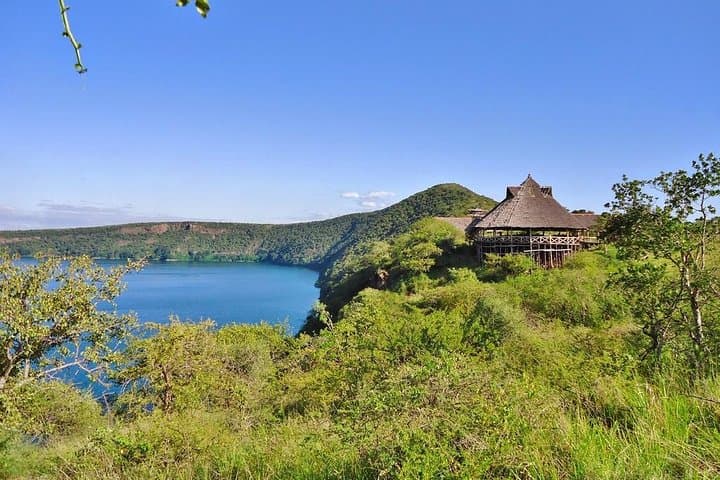
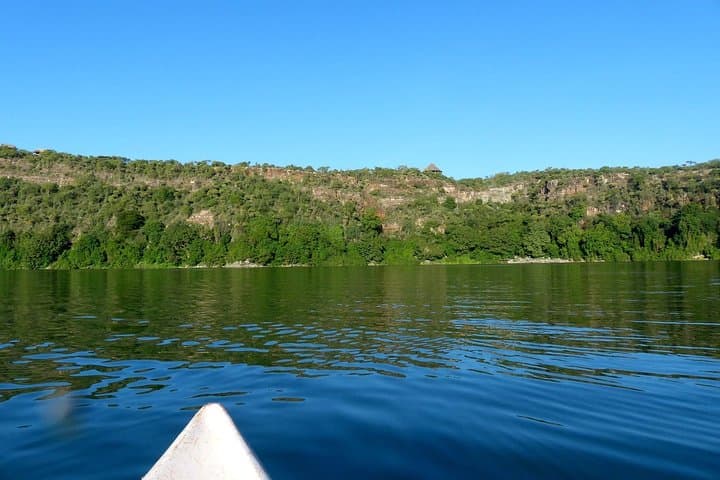
You arrive from Moshi as the road eases out of town and the cultivated plots of banana and maize give way to scrub and acacia. The guide parks above a steep rim and the first full sight of Lake Chala takes your breath: a bowl of shifting blues cupped in high, rocky walls. The air here carries a coolness that feels like a secret from Kilimanjaro—underground springs feed the caldera, and the water seems to change color as if deciding which mood to wear.
Verified experiences and guided adventures in the surrounding area.
Operated by Pumba Adventures And Safari · Moshi, Kilimanjaro Region
You arrive from Moshi as the road eases out of town and the cultivated plots of banana and maize give way to scrub and acacia. The guide parks above a steep rim and the first full sight of Lake Chala takes your breath: a bowl of shifting blues cupped in high, rocky walls. The air here carries a coolness that feels like a secret from Kilimanjaro—underground springs feed the caldera, and the water seems to change color as if deciding which mood to wear.
Lake Chala is a volcanic caldera carved by ancient eruptions and refined by groundwater seeping from Kilimanjaro’s glaciers. The Chaga and Pare peoples farm the slopes around Moshi and historically used nearby springs for irrigation; today the lake sits mostly quiet, a private reserve with paths cut through thick green flora. Geologically it’s striking—the caldera walls are layered basalt and ash, and the shoreline alternates between dusty, rocky ledges and short, grassy coves where birds gather.
Wildlife here moves with local rhythm. Vervet and blue monkeys chatter in the canopy; troops of baboons patrol the ridgelines. In season, distant silhouettes of elephants may appear at waterholes across the savannah, while smaller, shy antelope—dik-dik and the occasional kudu—graze in the open. Birdwatchers will notice kingfishers and malachite sunbirds; the lake’s changing palette attracts photographers who want broad color and tight wildlife portraits in one outing.
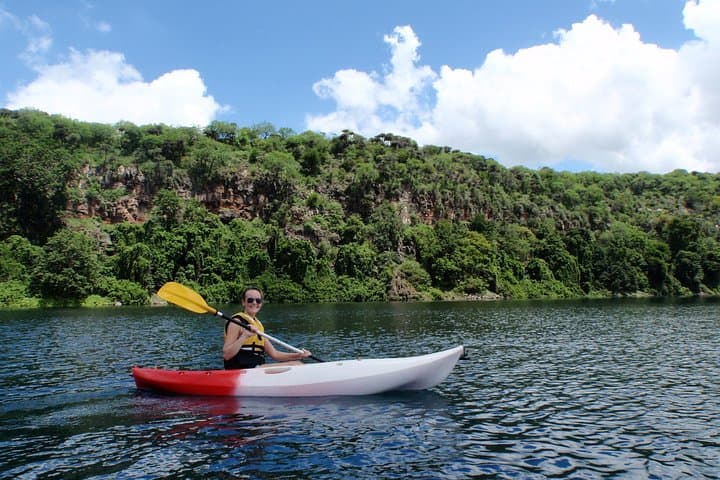
Practicalities are straightforward: the tour includes hotel pickup in Moshi, park fees, a packed lunch and 1.5L of water. Expect an hour’s drive each way and roughly four hours on-site—ample time to walk the lakeside trail, wade or swim in protected coves, and try a kayak if you want to paddle toward the Kenyan side (carry your passport for international crossings). Trails near the water get rocky and steep; sturdy shoes with good grip matter more than speed. Guides are local and knowledgeable—ask about the geology and where animals tend to appear at different times of day.
Timing matters: mornings bring cooler light and active wildlife; late afternoons deepen the lake’s colors. Take sun protection, a dry bag for electronics if you plan to swim or kayak, and a small first-aid kit for scrapes on the rocky sections. Respect the private reserve rules—no litter, no off-trail driving—and you’ll leave the place as quiet as you found it.
Lake Chala feels remote because the landscape governs the pace. It’s a day that mixes easy walking, a touch of adventure and quiet wildlife watching—an ideal counterpoint to trekking on Kilimanjaro and a reminder that some of the region’s best scenes sit an hour from the main roads.
moderate.
8–10 hours.
Suitable for most moderately fit travelers; involves some steep, rocky walking and up to 4 hours of on-site activity
Expect approximately a one-hour drive each way, depending on traffic and pickup location in Moshi.
Yes—there are sheltered coves suitable for swimming; water is fed by cold springs, so it can be chilly. Wear water shoes for rocky shorelines.
A passport is not required to visit the Tanzanian side, but is recommended if you intend to kayak toward the Kenyan border or cross—check with your guide first.
Yes—the tour includes park fees as part of the package.
Generally yes for children who can handle uneven trails; keep them supervised around cliffs and wildlife.
Lake Chala sits lower than Kilimanjaro’s summit; altitude effects are minimal for most visitors coming from Moshi.
The lake occupies a volcanic caldera linked to Kilimanjaro’s volcanic past; local Chaga communities farm the surrounding slopes and historically used nearby springs for irrigation.
The reserve is private and fragile—stay on trails, take your rubbish with you, and avoid introducing soap or pollutants into the lake to protect its clear spring-fed waters.
Pumba Adventures And Safari operates guided outdoor trips and adventures with an emphasis on safety, stewardship, and memorable experiences.
You arrive from Moshi as the road eases out of town and the cultivated plots of banana and maize give way to scrub and acacia. The guide parks above a steep rim and the first full sight of Lake Chala takes your breath: a bowl of shifting blues cupped in high, rocky walls. The air here carries a coolness that feels like a secret from Kilimanjaro—underground springs feed the caldera, and the water seems to change color as if deciding which mood to wear.
You arrive from Moshi as the road eases out of town and the cultivated plots of banana and maize give way to scrub and acacia. The guide parks above a steep rim and the first full sight of Lake Chala takes your breath: a bowl of shifting blues cupped in high, rocky walls. The air here carries a coolness that feels like a secret from Kilimanjaro—underground springs feed the caldera, and the water seems to change color as if deciding which mood to wear.
Lake Chala is a volcanic caldera carved by ancient eruptions and refined by groundwater seeping from Kilimanjaro’s glaciers. The Chaga and Pare peoples farm the slopes around Moshi and historically used nearby springs for irrigation; today the lake sits mostly quiet, a private reserve with paths cut through thick green flora. Geologically it’s striking—the caldera walls are layered basalt and ash, and the shoreline alternates between dusty, rocky ledges and short, grassy coves where birds gather.
Wildlife here moves with local rhythm. Vervet and blue monkeys chatter in the canopy; troops of baboons patrol the ridgelines. In season, distant silhouettes of elephants may appear at waterholes across the savannah, while smaller, shy antelope—dik-dik and the occasional kudu—graze in the open. Birdwatchers will notice kingfishers and malachite sunbirds; the lake’s changing palette attracts photographers who want broad color and tight wildlife portraits in one outing.
Practicalities are straightforward: the tour includes hotel pickup in Moshi, park fees, a packed lunch and 1.5L of water. Expect an hour’s drive each way and roughly four hours on-site—ample time to walk the lakeside trail, wade or swim in protected coves, and try a kayak if you want to paddle toward the Kenyan side (carry your passport for international crossings). Trails near the water get rocky and steep; sturdy shoes with good grip matter more than speed. Guides are local and knowledgeable—ask about the geology and where animals tend to appear at different times of day.
Timing matters: mornings bring cooler light and active wildlife; late afternoons deepen the lake’s colors. Take sun protection, a dry bag for electronics if you plan to swim or kayak, and a small first-aid kit for scrapes on the rocky sections. Respect the private reserve rules—no litter, no off-trail driving—and you’ll leave the place as quiet as you found it.
Lake Chala feels remote because the landscape governs the pace. It’s a day that mixes easy walking, a touch of adventure and quiet wildlife watching—an ideal counterpoint to trekking on Kilimanjaro and a reminder that some of the region’s best scenes sit an hour from the main roads.