THE ADVENTURE COLLECTIVE® · Independent discovery and booking for outdoor travel

An hour from Moshi, Lake Chala is a caldera lake fed by Kilimanjaro’s underground springs—an ideal day trip for hiking, kayaking and low-key wildlife watching. This guide outlines what to expect, how to prepare, and where to find the best views.
An hour from Moshi, Lake Chala is a caldera lake fed by Kilimanjaro’s underground springs—an ideal day trip for hiking, kayaking and low-key wildlife watching. This guide outlines what to expect, how to prepare, and where to find the best views.
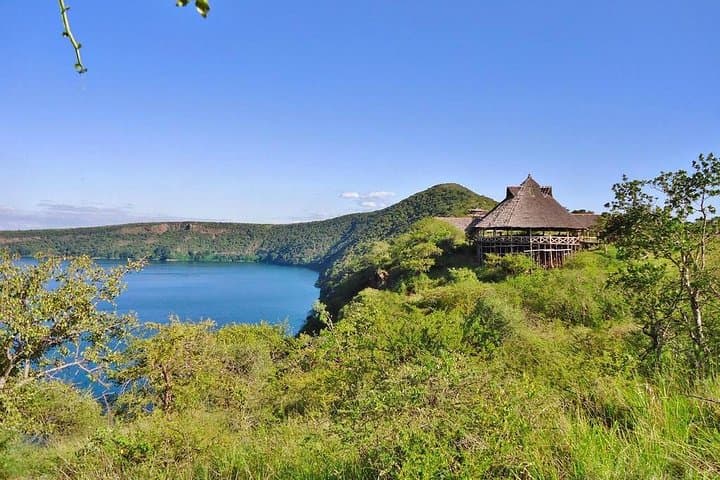
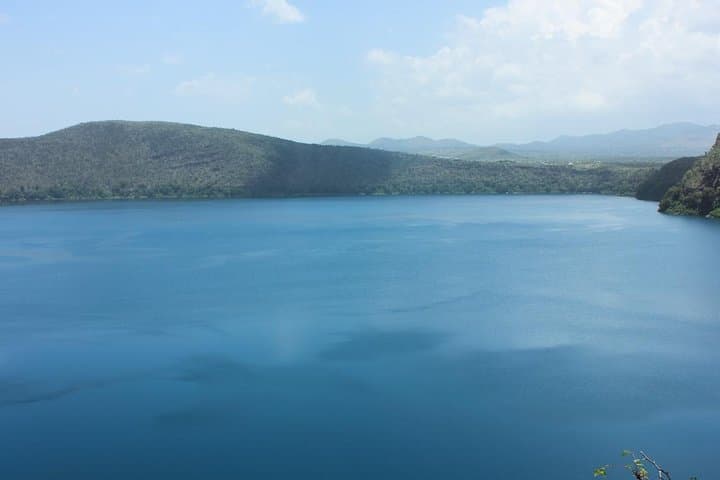
You step off the land cruiser onto rock dust warmed by the equatorial sun and the world contracts to blue—brilliant, shallow, changing blue—framed by steep rim walls. Lake Chala is a caldera lake that seems bent on showing you a new color every ten paces: turquoise where the shallows catch sunlight, a mineral-rich emerald under overhanging foliage, a deep, reflective azure in the quiet coves. The air tastes of mountain springs; underground streams from Kilimanjaro feed the lake and keep its temperature crisp, as if the mountain itself were breathing into the basin.
Verified experiences and guided adventures in the surrounding area.
Operated by Uphill Treks & Safaris · Moshi, Kilimanjaro Region
You step off the land cruiser onto rock dust warmed by the equatorial sun and the world contracts to blue—brilliant, shallow, changing blue—framed by steep rim walls. Lake Chala is a caldera lake that seems bent on showing you a new color every ten paces: turquoise where the shallows catch sunlight, a mineral-rich emerald under overhanging foliage, a deep, reflective azure in the quiet coves. The air tastes of mountain springs; underground streams from Kilimanjaro feed the lake and keep its temperature crisp, as if the mountain itself were breathing into the basin.
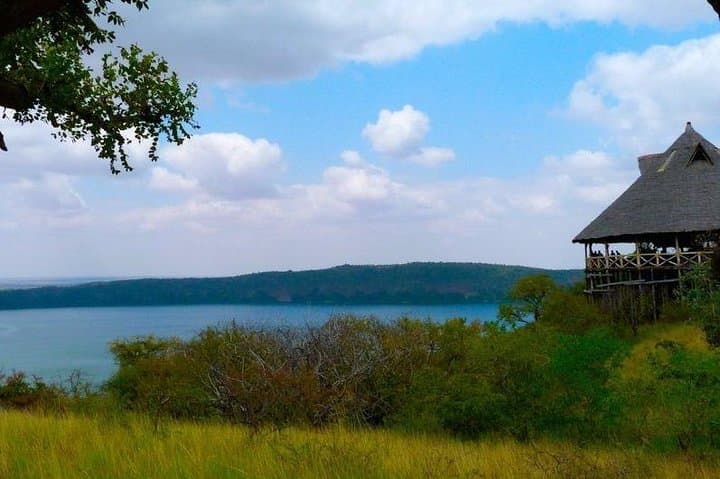
The lake sits on the Tanzania–Kenya border and was formed when volcanic activity left a bowl that water could not escape. For generations, local Maasai and Chagga communities have read its moods—fishing, grazing drought-troubled cattle, and guiding travelers. In the early 20th century the rim was a route for traders and porters moving between coast and mountain; today the nearby Lake Chala Safari Camp operates as a low-key gateway to that same landscape, focused on small-group, low-impact visits.
Geology is literal here: sheer caldera walls, rocky shores, and a basin fed by aquifers make the water startlingly clear. Birds own the canopy and edge habitat—kingfishers dart, egrets stalk, and migrant species time their arrivals to the rains. On open savannah beyond the rim you might see vervet monkeys checking the underbrush, and in wetter seasons elephants moving toward distant waterholes; the land contracts and expands around water like a living lung.
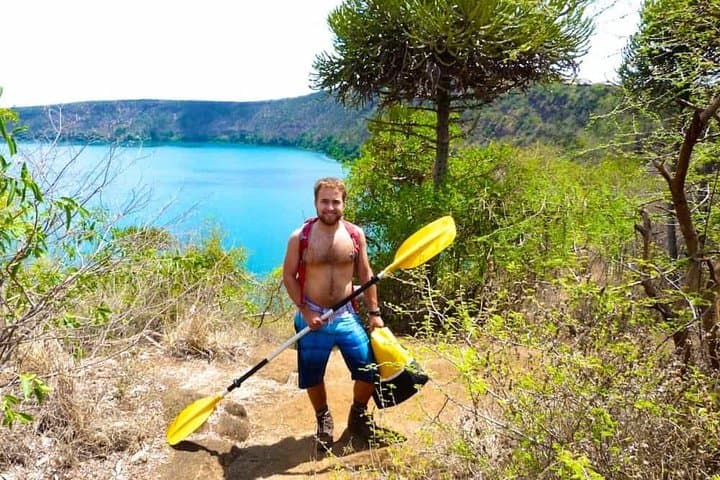
A typical day unfolds simply: a guided drive from Moshi, a lakeside descent through scrub and boulders (sturdy shoes advised), a morning walk along contour paths, lunch at the camp, optional kayak across placid water to the Kenyan shore, and slacktime for drifting, swimming, or watching sunlight move across the surface. Guides share local stories and point out tracks—dik-dik, kudu, or spoor left by nocturnal visitors—and explain how the caldera’s subterranean feeds keep the lake unusually cool for the latitude.
Practical notes: wear shoes with traction for the rocky shore; bring swimwear and a light dry bag for kayaking; sunscreen and a wide-brim hat are non-negotiable. Carry a refillable bottle—the camp supplies bottled water but the sun moves fast. Mornings are cooler and best for wildlife and photos; late afternoon delivers mirror-like reflections.
Respect the fragile rim ecosystem: avoid soaps in the water, keep a distance from wildlife, and support local operations that prioritize conservation. Lake Chala is quiet by design; the reward is the kind of restorative day that makes Moshi’s noise feel very far away despite being only an hour’s drive.
easy.
8 hours.
Suitable for general fitness; expect short steep sections and uneven terrain but no sustained climbs.
The transfer is about 1–1.5 hours each way depending on pickup location and traffic on the main road.
Yes—many visitors swim in the clear, cool water; avoid soaps and check with your guide about safe entry points.
Kayak use is usually offered on-site as part of the day trip—confirm availability when booking and bring a dry bag for valuables.
The Lake Chala Safari Camp provides basic facilities and a packed lunch with bottled water is included in the tour.
The activity is family-friendly but supervision during shoreline, swimming and interactions with wildlife is required.
The lake sits on the border; normal tour routes keep visitors on the Tanzanian side—crossing into Kenya by kayak requires proper travel documents, so check with your operator.
Lake Chala occupies an extinct volcanic caldera and has long been part of routes linking coastal traders with Kilimanjaro communities.
The caldera ecosystem is fragile—stay on trails, avoid chemical products in the water, and support community-run camp initiatives that fund habitat protection.
Uphill Treks & Safaris operates guided outdoor trips and adventures with an emphasis on safety, stewardship, and memorable experiences.
You step off the land cruiser onto rock dust warmed by the equatorial sun and the world contracts to blue—brilliant, shallow, changing blue—framed by steep rim walls. Lake Chala is a caldera lake that seems bent on showing you a new color every ten paces: turquoise where the shallows catch sunlight, a mineral-rich emerald under overhanging foliage, a deep, reflective azure in the quiet coves. The air tastes of mountain springs; underground streams from Kilimanjaro feed the lake and keep its temperature crisp, as if the mountain itself were breathing into the basin.
You step off the land cruiser onto rock dust warmed by the equatorial sun and the world contracts to blue—brilliant, shallow, changing blue—framed by steep rim walls. Lake Chala is a caldera lake that seems bent on showing you a new color every ten paces: turquoise where the shallows catch sunlight, a mineral-rich emerald under overhanging foliage, a deep, reflective azure in the quiet coves. The air tastes of mountain springs; underground streams from Kilimanjaro feed the lake and keep its temperature crisp, as if the mountain itself were breathing into the basin.
The lake sits on the Tanzania–Kenya border and was formed when volcanic activity left a bowl that water could not escape. For generations, local Maasai and Chagga communities have read its moods—fishing, grazing drought-troubled cattle, and guiding travelers. In the early 20th century the rim was a route for traders and porters moving between coast and mountain; today the nearby Lake Chala Safari Camp operates as a low-key gateway to that same landscape, focused on small-group, low-impact visits.
Geology is literal here: sheer caldera walls, rocky shores, and a basin fed by aquifers make the water startlingly clear. Birds own the canopy and edge habitat—kingfishers dart, egrets stalk, and migrant species time their arrivals to the rains. On open savannah beyond the rim you might see vervet monkeys checking the underbrush, and in wetter seasons elephants moving toward distant waterholes; the land contracts and expands around water like a living lung.
A typical day unfolds simply: a guided drive from Moshi, a lakeside descent through scrub and boulders (sturdy shoes advised), a morning walk along contour paths, lunch at the camp, optional kayak across placid water to the Kenyan shore, and slacktime for drifting, swimming, or watching sunlight move across the surface. Guides share local stories and point out tracks—dik-dik, kudu, or spoor left by nocturnal visitors—and explain how the caldera’s subterranean feeds keep the lake unusually cool for the latitude.
Practical notes: wear shoes with traction for the rocky shore; bring swimwear and a light dry bag for kayaking; sunscreen and a wide-brim hat are non-negotiable. Carry a refillable bottle—the camp supplies bottled water but the sun moves fast. Mornings are cooler and best for wildlife and photos; late afternoon delivers mirror-like reflections.
Respect the fragile rim ecosystem: avoid soaps in the water, keep a distance from wildlife, and support local operations that prioritize conservation. Lake Chala is quiet by design; the reward is the kind of restorative day that makes Moshi’s noise feel very far away despite being only an hour’s drive.