THE ADVENTURE COLLECTIVE® · Independent discovery and booking for outdoor travel

A compact, dramatic outing from Moshi, the Lake Chala Day Trip drops you into a volcanic crater of startling blue water, forested slopes, and bold wildlife. Expect a steep descent, lakeside relaxation, and return climbs that reward steady pacing.
A compact, dramatic outing from Moshi, the Lake Chala Day Trip drops you into a volcanic crater of startling blue water, forested slopes, and bold wildlife. Expect a steep descent, lakeside relaxation, and return climbs that reward steady pacing.
You reach the rim before the guide and the crater opens like a polished bowl — a sudden sheet of cobalt water cupped by steep green walls. The trailhead begins with a small, sunbaked clearing and a signpost; within minutes the forest leans in, leaves brushing your forearms, and the path angles down. Birdsong and the distant clack of rockfall are the only accompaniment as you descend toward Lake Chala, a volcanic crater lake straddling the Tanzania–Kenya border and a place where the landscape still feels newly formed.
Verified experiences and guided adventures in the surrounding area.
Operated by KLM Safaris · Moshi, Kilimanjaro Region
You reach the rim before the guide and the crater opens like a polished bowl — a sudden sheet of cobalt water cupped by steep green walls. The trailhead begins with a small, sunbaked clearing and a signpost; within minutes the forest leans in, leaves brushing your forearms, and the path angles down. Birdsong and the distant clack of rockfall are the only accompaniment as you descend toward Lake Chala, a volcanic crater lake straddling the Tanzania–Kenya border and a place where the landscape still feels newly formed.
Geologically, Chala is a classic maar: an explosion-formed basin that filled with rain and groundwater. The rim is young enough to have sharp edges and old enough to be smoothed by decades of seasonal rain. Culturally the area sits in the shadow of Kilimanjaro’s tourism economy — Moshi supplies guides and vehicles, and local camps like Lake Chala Safari Camp have built modest hospitality around lakeside views and simple bars where mountaineers and day-trippers compare notes.
Wildlife is conspicuous and lived-in here: troops of vervet monkeys move like a loose congregation through the canopy, sunbasking agama lizards streak along rocks, and baboons patrol the ridgelines. The water is clear; you can see fish close to shore, but guides consistently advise against swimming — the crater drops suddenly, the water is cold, and there are no lifeguards.
The walk to the lakeshore is a short but strenuous affair: expect a steep 1.5 km descent that drops roughly 250–350 meters on loose volcanic scree and forested switchbacks. Go slowly on the return; the climb up is where day trips are decided by pacing and water. At the shore, a lakeside bar at Lake Chala Safari Camp offers shade, cold drinks, and a place to take stock before the vehicle returns you to Moshi or Arusha.
Practicalities: the full outing is about seven hours from pickup to drop-off, with roughly two to four hours spent exploring the crater rim and shoreline. You’ll want sturdy shoes with good grip, sun protection, and 1.5–2 liters of water per person. Guides provide local knowledge, route safety and will point out the best viewpoints; if you’re tempted by kayaking or paddling toward the Kenyan side, confirm logistics and permissions with the operator ahead of time.
Timing matters: mornings bring cleaner air and softer light for photography; afternoons can be hazy and warmer. This trip is an accessible adventure for anyone with moderate fitness who can handle a steep, uneven descent and a steady climb back. Respect local wildlife, stick to the trail, and leave the water at the shore — Lake Chala rewards a careful approach with dramatic angles, clear reflections, and a rare sense of solitude not far from Kilimanjaro’s busy trails.
moderate.
7 hours.
Moderate fitness; able to handle a steep 1.5 km descent and a 250–350 m climb on the return
The trail from the rim to the lakeshore is roughly 1.5 km, taking 30–60 minutes depending on pace and stops.
Swimming is generally not recommended due to steep drop-offs, cold water, and lack of lifeguards; follow your guide’s advice.
Children with good endurance can do the trip, but the steep descent and return climb make it best for older kids and teenagers with supervision.
Visiting the Tanzanian side for a day trip usually requires no special permit beyond park or site fees; crossing into Kenya by kayak requires confirmation of permissions—check with the operator in advance.
Common sightings include vervet monkeys, olive baboons, and sunbathing lizards; always keep a respectful distance.
Most operators offer pickup from Moshi or Arusha hotels; confirm pickup time and meeting point when booking.
Lake Chala sits in a volcanic crater formed by past eruptive events; the lake and surrounding land have long been used by local communities for grazing and small-scale tourism services.
The crater’s water and rim vegetation are ecologically sensitive—stick to marked trails, avoid contaminating the water, and support local operators who use sustainable practices.
KLM Safaris operates guided outdoor trips and adventures with an emphasis on safety, stewardship, and memorable experiences.
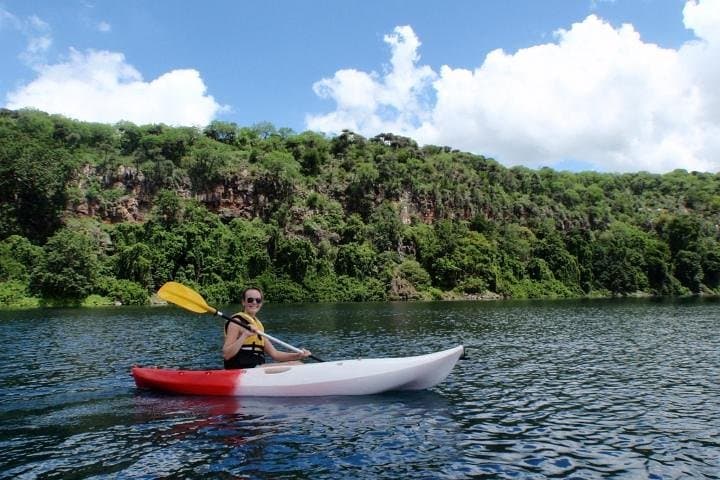
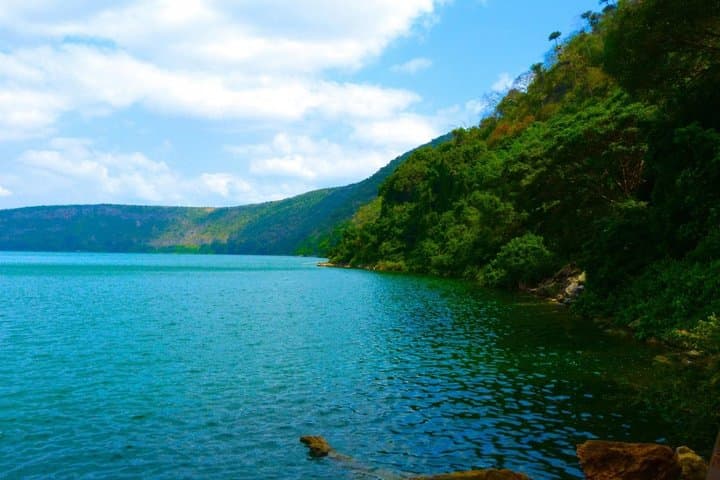
You reach the rim before the guide and the crater opens like a polished bowl — a sudden sheet of cobalt water cupped by steep green walls. The trailhead begins with a small, sunbaked clearing and a signpost; within minutes the forest leans in, leaves brushing your forearms, and the path angles down. Birdsong and the distant clack of rockfall are the only accompaniment as you descend toward Lake Chala, a volcanic crater lake straddling the Tanzania–Kenya border and a place where the landscape still feels newly formed.
You reach the rim before the guide and the crater opens like a polished bowl — a sudden sheet of cobalt water cupped by steep green walls. The trailhead begins with a small, sunbaked clearing and a signpost; within minutes the forest leans in, leaves brushing your forearms, and the path angles down. Birdsong and the distant clack of rockfall are the only accompaniment as you descend toward Lake Chala, a volcanic crater lake straddling the Tanzania–Kenya border and a place where the landscape still feels newly formed.
Geologically, Chala is a classic maar: an explosion-formed basin that filled with rain and groundwater. The rim is young enough to have sharp edges and old enough to be smoothed by decades of seasonal rain. Culturally the area sits in the shadow of Kilimanjaro’s tourism economy — Moshi supplies guides and vehicles, and local camps like Lake Chala Safari Camp have built modest hospitality around lakeside views and simple bars where mountaineers and day-trippers compare notes.
Wildlife is conspicuous and lived-in here: troops of vervet monkeys move like a loose congregation through the canopy, sunbasking agama lizards streak along rocks, and baboons patrol the ridgelines. The water is clear; you can see fish close to shore, but guides consistently advise against swimming — the crater drops suddenly, the water is cold, and there are no lifeguards.
The walk to the lakeshore is a short but strenuous affair: expect a steep 1.5 km descent that drops roughly 250–350 meters on loose volcanic scree and forested switchbacks. Go slowly on the return; the climb up is where day trips are decided by pacing and water. At the shore, a lakeside bar at Lake Chala Safari Camp offers shade, cold drinks, and a place to take stock before the vehicle returns you to Moshi or Arusha.
Practicalities: the full outing is about seven hours from pickup to drop-off, with roughly two to four hours spent exploring the crater rim and shoreline. You’ll want sturdy shoes with good grip, sun protection, and 1.5–2 liters of water per person. Guides provide local knowledge, route safety and will point out the best viewpoints; if you’re tempted by kayaking or paddling toward the Kenyan side, confirm logistics and permissions with the operator ahead of time.
Timing matters: mornings bring cleaner air and softer light for photography; afternoons can be hazy and warmer. This trip is an accessible adventure for anyone with moderate fitness who can handle a steep, uneven descent and a steady climb back. Respect local wildlife, stick to the trail, and leave the water at the shore — Lake Chala rewards a careful approach with dramatic angles, clear reflections, and a rare sense of solitude not far from Kilimanjaro’s busy trails.