THE ADVENTURE COLLECTIVE® · Independent discovery and booking for outdoor travel

Trade bus crowds for boardwalks and quiet shorelines on this small-group day trip from Ljubljana to Lake Bled, Lake Bohinj, and Vintgar Gorge. Expect big alpine views, short scenic walks, and flexible time for optional highlights like Bled Castle or a classic Pletna boat ride.
Trade bus crowds for boardwalks and quiet shorelines on this small-group day trip from Ljubljana to Lake Bled, Lake Bohinj, and Vintgar Gorge. Expect big alpine views, short scenic walks, and flexible time for optional highlights like Bled Castle or a classic Pletna boat ride.
Dawn breaks over the Julian Alps and the lakes wake slowly—Bled’s island church catching first light, Bohinj’s broad surface holding its breath, and the Radovna River hustling through Vintgar Gorge as if it can’t wait for you to catch up. This small-group day trip keeps the pace unhurried, trading bus crowds for time on the shoreline and wooden walkways, where water speaks in glints and currents and the mountains keep you honest.
Verified experiences and guided adventures in the surrounding area.
Operated by Slovenian Wander · Bled, Upper Carniola
Dawn breaks over the Julian Alps and the lakes wake slowly—Bled’s island church catching first light, Bohinj’s broad surface holding its breath, and the Radovna River hustling through Vintgar Gorge as if it can’t wait for you to catch up. This small-group day trip keeps the pace unhurried, trading bus crowds for time on the shoreline and wooden walkways, where water speaks in glints and currents and the mountains keep you honest.
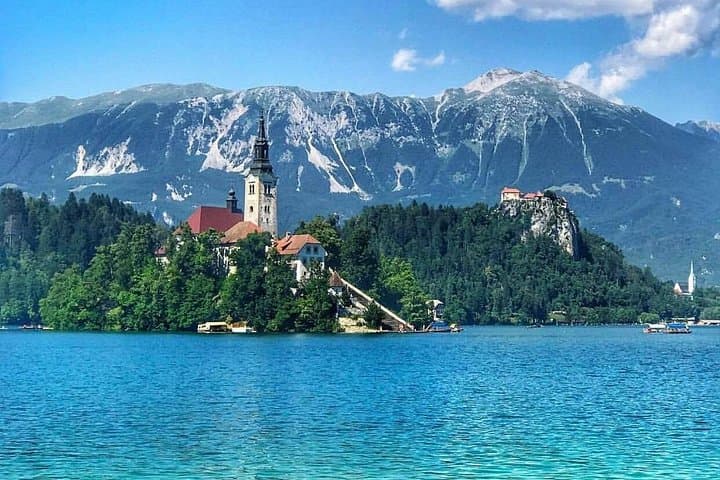
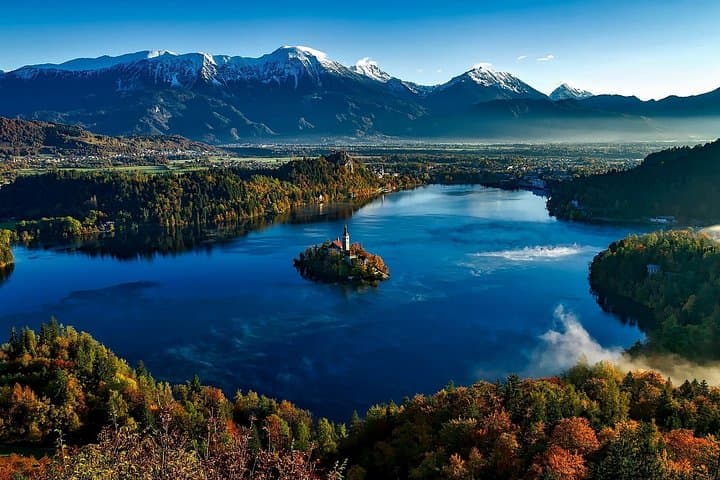
From Ljubljana, the road climbs toward Triglav National Park, a granite stronghold shaped by glaciers and threaded with karst springs. First up is Lake Bled, the country’s postcard brought to life. The medieval castle crowns a cliff 130 meters above the lake, where views stretch to the Karavanke. Below, Pletna boats—wide, wooden, and rowed the traditional way since the 16th century—ferry visitors to the island’s Baroque church. If you’ve got time, walking part of the 6-kilometer shoreline path delivers quieter corners and mirror-like reflections.
Bohinj drops the tempo even further. Slovenia’s largest permanent natural lake sits deeper in the park beneath the limestone flanks of Triglav. The water here runs cooler, clearer, and calmer. On breezy days, wind combs the surface and pushes paddleboards along the margins; on still days, the mountains lean in for their portrait. The lakeside church of St. John the Baptist brings centuries of frescoes into the story, and nearby meadows speak to a long tradition of alpine herding.
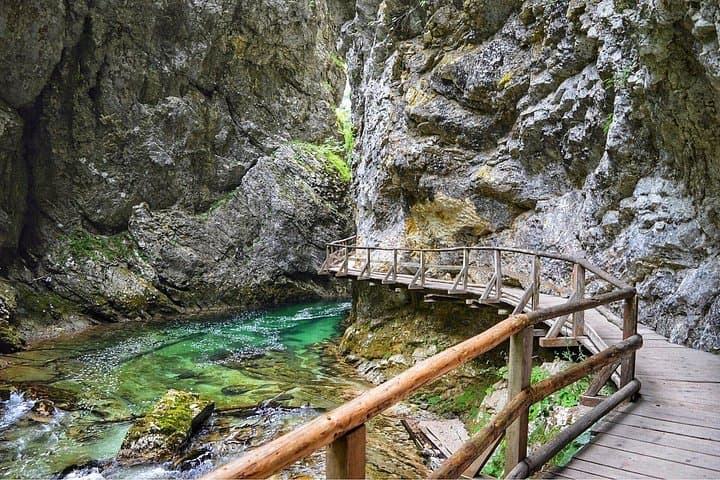
Then the tone quickens. Vintgar Gorge is a 1.6-kilometer catwalk of boardwalks and bridges bolted into raw rock, built in 1893 to open this pocket of canyon to walkers. The Radovna River rushes beneath, hungry for distance, stacking turquoise pools, riffles, and the Šum Waterfall—Slovenia’s largest river waterfall—into a steady drumbeat. Expect spray underfoot and slick planks in places; the river likes to remind you who’s in charge. In peak season, the gorge often runs one-way with a return by forest path or shuttle, which keeps the pace smooth and the views in front.
Guides handle the driving, timing, and local nuance—when the light hits Bled best, which bakery serves the crispest kremšnita, how to thread crowds and still find space. Bring sturdy footwear, a layer for alpine microclimates, and euros for optional extras like castle entry, the Pletna boat, or a lakeside coffee. Entry to Vintgar is typically paid on site and may require timed slots.
It’s a full day—about 9 to 10 hours—but not a hard one. You’ll cover a handful of short walks with gentle grades, trade stories with your guide, and watch the landscape do the work. By sunset, the lakes exhale and the mountains settle. You head back to Ljubljana with river spray on your shoes and a clearer map in your head of how water and stone have been in conversation here for ages.
easy.
9–10 hours.
Comfortable walking 3–6 km total on flat paths and boardwalks with occasional stairs.
Plan for approximately 9–10 hours including driving time from Ljubljana and scenic stops at Bled, Bohinj, and Vintgar Gorge.
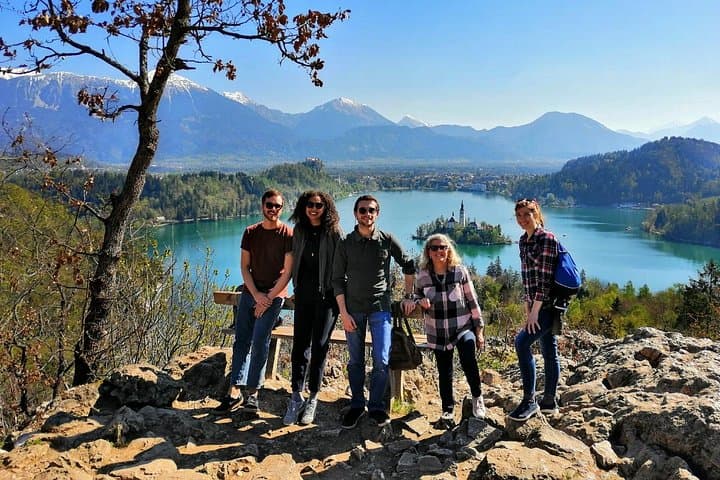
Expect several short walks: portions of Bled’s lakeside path, gentle shoreline strolling at Bohinj, and 1.6 km through Vintgar Gorge on boardwalks with some stairs.
Typically no; admission to Vintgar Gorge, Bled Castle, and optional Pletna boat rides are paid on site. Bring cash or a card.
Swimming is allowed in designated areas, mostly at Bohinj in summer. Water is cold—check local signage and respect safety zones.
Closed-toe shoes with good grip, comfortable walking clothes, and layers for variable alpine weather. Pack a light rain jacket.
Tours may run in light rain; severe weather or unsafe conditions can trigger changes or cancellations with a refund per policy.
Bled Castle dates to at least 1004, while the traditional Pletna boats have ferried visitors to the island since the 16th century. Bohinj’s alpine pastures still echo a centuries-old herding culture.
Triglav National Park is strictly protected—stay on marked paths, pack out all trash, and avoid picking flowers. Boardwalks at Vintgar minimize erosion; respect one-way systems and barriers.
Slovenian Wander operates guided outdoor trips and adventures with an emphasis on safety, stewardship, and memorable experiences.
Dawn breaks over the Julian Alps and the lakes wake slowly—Bled’s island church catching first light, Bohinj’s broad surface holding its breath, and the Radovna River hustling through Vintgar Gorge as if it can’t wait for you to catch up. This small-group day trip keeps the pace unhurried, trading bus crowds for time on the shoreline and wooden walkways, where water speaks in glints and currents and the mountains keep you honest.
Dawn breaks over the Julian Alps and the lakes wake slowly—Bled’s island church catching first light, Bohinj’s broad surface holding its breath, and the Radovna River hustling through Vintgar Gorge as if it can’t wait for you to catch up. This small-group day trip keeps the pace unhurried, trading bus crowds for time on the shoreline and wooden walkways, where water speaks in glints and currents and the mountains keep you honest.
From Ljubljana, the road climbs toward Triglav National Park, a granite stronghold shaped by glaciers and threaded with karst springs. First up is Lake Bled, the country’s postcard brought to life. The medieval castle crowns a cliff 130 meters above the lake, where views stretch to the Karavanke. Below, Pletna boats—wide, wooden, and rowed the traditional way since the 16th century—ferry visitors to the island’s Baroque church. If you’ve got time, walking part of the 6-kilometer shoreline path delivers quieter corners and mirror-like reflections.
Bohinj drops the tempo even further. Slovenia’s largest permanent natural lake sits deeper in the park beneath the limestone flanks of Triglav. The water here runs cooler, clearer, and calmer. On breezy days, wind combs the surface and pushes paddleboards along the margins; on still days, the mountains lean in for their portrait. The lakeside church of St. John the Baptist brings centuries of frescoes into the story, and nearby meadows speak to a long tradition of alpine herding.
Then the tone quickens. Vintgar Gorge is a 1.6-kilometer catwalk of boardwalks and bridges bolted into raw rock, built in 1893 to open this pocket of canyon to walkers. The Radovna River rushes beneath, hungry for distance, stacking turquoise pools, riffles, and the Šum Waterfall—Slovenia’s largest river waterfall—into a steady drumbeat. Expect spray underfoot and slick planks in places; the river likes to remind you who’s in charge. In peak season, the gorge often runs one-way with a return by forest path or shuttle, which keeps the pace smooth and the views in front.
Guides handle the driving, timing, and local nuance—when the light hits Bled best, which bakery serves the crispest kremšnita, how to thread crowds and still find space. Bring sturdy footwear, a layer for alpine microclimates, and euros for optional extras like castle entry, the Pletna boat, or a lakeside coffee. Entry to Vintgar is typically paid on site and may require timed slots.
It’s a full day—about 9 to 10 hours—but not a hard one. You’ll cover a handful of short walks with gentle grades, trade stories with your guide, and watch the landscape do the work. By sunset, the lakes exhale and the mountains settle. You head back to Ljubljana with river spray on your shoes and a clearer map in your head of how water and stone have been in conversation here for ages.